Categories
Administration Concert Conference/Meeting Event Fri Kunst Music Freedom Day News Safe Residencies

Fri Kunst dagskonferanse 2024 / Artistic Freedom Conference 2024

FRI KUNST DAGSKONFERANSE 2024 / ARTISTIC FREEDOM CONFERENCE 2024

February 16, 2024
Fri Kunst konferanse, 1. mars på Riksscenen, Oslo

For tredje året på rad arrangerer Safemuse en dagskonferanse på Riksscenen under Fri Kunst-uken i begynnelsen av mars. Dagen byr på samtaler som setter søkelys på den frie kunsten og kunstneres endringskraft og rolle i samfunnet, i tillegg til kunstneriske innlegg fra en rekke norske og internasjonale kunstnere.  

Dagskonferansen fredag 1. mars er åpen og gratis, men krever påmelding innen 26. february 2024. Påmeldingslenke her.

PROGRAM:

11:30 Dørene åpner
12:00 – 12:10 Kunstnerisk innlegg: Mahsa Vahdat og Marjan Vahdat
12:10 – 12:20 Velkomst
12:25 – 12:35 Åpningstale: sametingspresident Silje Karine Muotka
12:35 – 12:45 Kunstnerisk innlegg: Don Martin
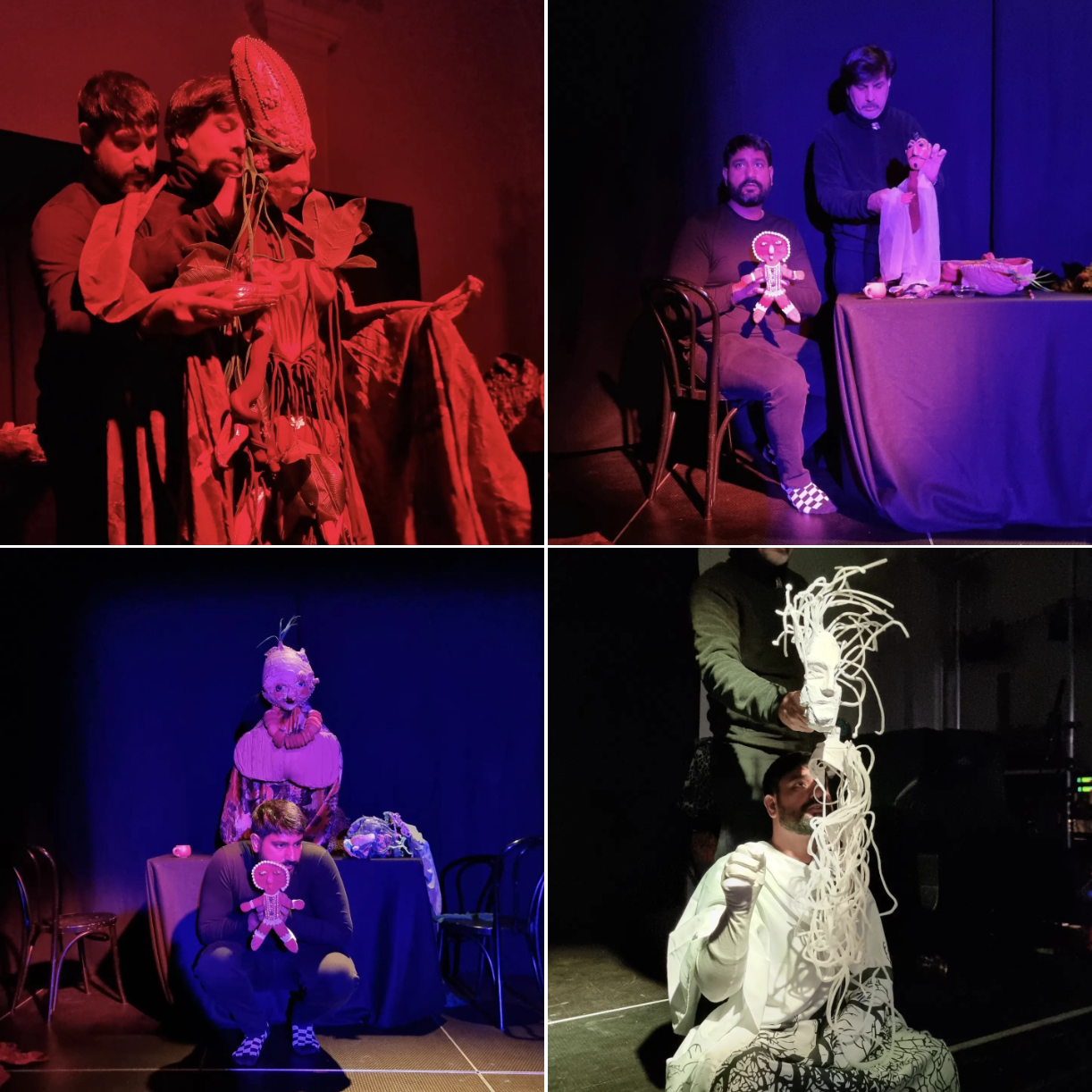
12:45 – 12:55 Kunstnerisk innlegg: Varun Narain
13:00 – 13:50 Panelsamtale I: Kunstens kraft og rolle som samfunnsendrer i Norge og verden (samtalen vil foregå på norsk)
– Øystein Strand, avdelingsdirektør for Kunstnerisk produksjon og formidling, Kulturdirektoratet
– Silje Karine Muotka, president, Sámediggi / Sametinget
– Cliff Moustache, kunstnerisk leder, Nordic Black Theatre
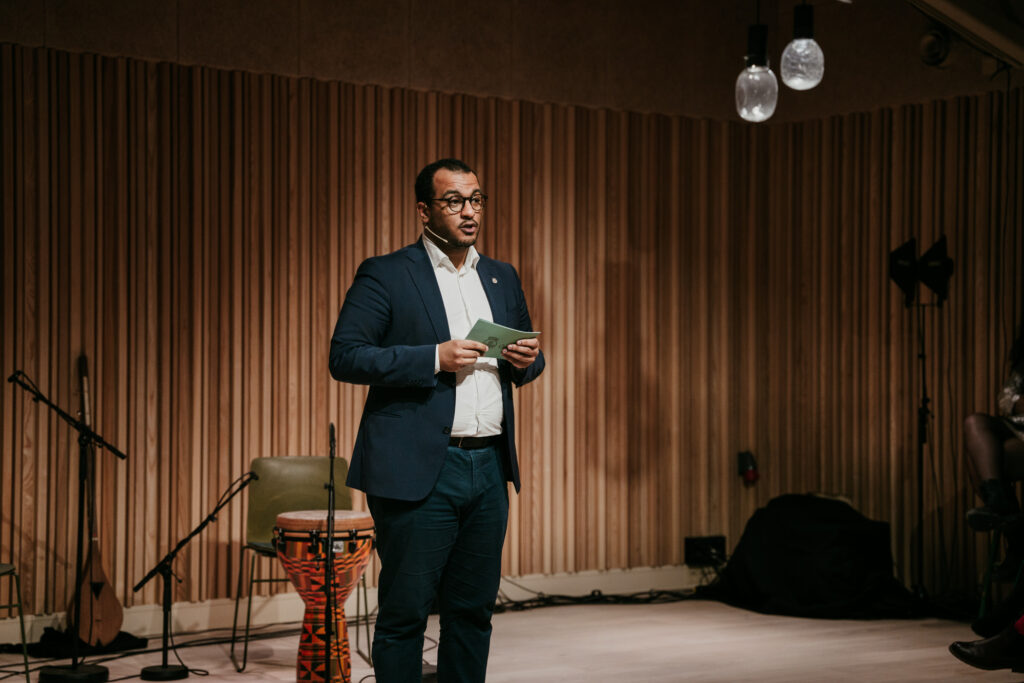
– Moderator: Yohan Shanmugaratnam, journalist og forfatter
13:50 – 14:10 Pause
14:10 – 14:20 Kunstnerisk innlegg: Viktor Bomstad
14:20 – 15:10 Panelsamtale II: Kunstnersamtale om kunst og endringskraft (samtalen vil foregå på engelsk)
– Masha Vahdat, sanger og komponist
– Varun Narain, dukkemaker/dukkefører og Safemuse residenskunstner
– Viktor Bomstad, landsdelsjoiker for Troms og Finnmark
– Jannik Abel, fotograf og billedkunstner
– Moderator: Nosizwe Baqwa, artist, aktivist og styremedlem i Safemuse
15:15 – 15:30 Presentasjon: Safemuse Art Havens
15:30 – 15:40 Kort oppsummering
15:40 – 16:00 Pause / omrigg
16:00 – 16:30 Tverrkunstnerisk mini-forestilling: Hooman Sharifi og Arash Moradi
16:30 – 17:30 Sosialt samvær med bevertning

VELKOMMEN

————————

Artistic Freedom Week Conference, 1st of March at Riksscenen in Oslo

For the third year in a row, Safemuse organises a full-day conference at Riksscenen during Artistic Freedom Week in the beginning of March. The program includes talks that focus on art and artists’ roles and power to change society, in addition to artistic interventions from a number of Norwegian and international artists.

The conference is an open event and free of charge, but requires registration by 26 February 2024. Registration link here.

PROGRAM:

11:30 The doors open
12:00 – 12:10 Artistic intervention: Mahsa Vahdat and Marjan Vahdat
12:10 – 12:20 Welcome
12:25 – 12:35 Opening speech: President of the Sámi Parliament Silje Karine Muotka
12:35 – 12:45 Artistic intervention: Don Martin
12:45 – 12:55 Artistic intervention: Varun Narain
13:00 – 13:50 Panel discussion I: The power of art and its capacity for change, in Norway and the world (the conversation will take place in Norwegian)
– Øystein Strand, department director for artistic production and communication
– Silje Karine Muotka, president, Sámediggi / Sámi Parliament
– Cliff Mustache, artistic director, Nordic Black Theatre
– Moderator: Yohan Shanmugaratnam, journalist and author
13:50 – 14:10 Break
14:10 – 14:20 Artistic intervention: Viktor Bomstad
14:20 – 15:10 Panel conversation II: Artist conversation about art and its power to bring about change (the conversation will take place in English)
– Masha Vahdat, singer and composer
– Varun Narain, puppeteer and Safemuse artist-in-residence
– Viktor Bomstad, regional joiker for Troms and Finnmark
– Jannik Abel, photographer and visual artist
– Moderator: Nosizwe Baqwa, artist, activist and board member of Safemuse
15:15 – 15:30 Presentation: Safemuse Art Havens
15:30 – 15:40 Closing remarks
15:40 – 16:00 Break / rearrangement
16:00 – 16:30  Mini-performance: Hooman Sharifi and Arash Moradi
16:30 – 17:30 Social gathering with refreshments

WELCOME

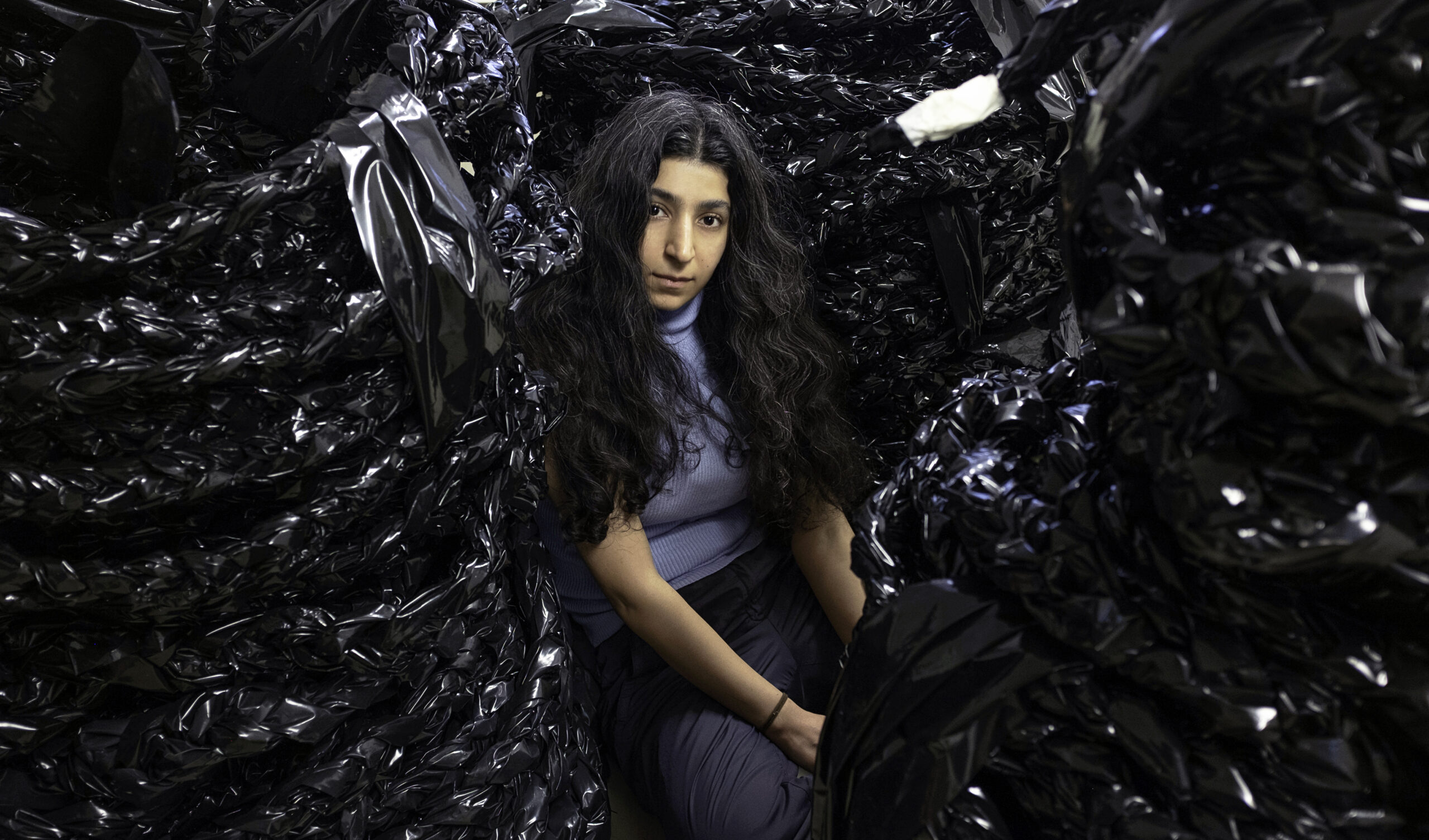
Tara Abdullah: The Girl from The Cigarette Factory

Through painting, performance, installation, and public interventions, Tara Abdullah gives visibility to silenced experiences. Transforming personal memories into collective encounters, her work explores themes of shame, displacement, resistance, and liberation.

erformance, installation, and public interventions, Tara Abdullah gives visibility to silenced experiences. Transforming personal memories into collective encounters, her work explores themes of shame, displacement, resistance, and liberation.

erformance, installation, and public interventions, Tara Abdullah gives visibility to silenced experiences. Transforming personal memories into collective encounters, her work explores themes of shame, displacement, resistance, and liberation....

© Safemuse Organisation - Oslo/Norway

Categories
News Safe Residencies

OPEN CALL – Oslo and Hvitsten Art Haven 2024!

OPEN CALL - Oslo and Hvitsten Art Haven 2024!

June 1, 2023

Artwork by Zhanna Gladko

Artistic freedom of expression, solidarity and collaboration

In 2022 Safemuse invited for the first round of safe residency placements in the Norwegian capital, Oslo, in cooperation with Nordic Black Theatre. Two six month residencies open for artists from all over the world and from all artistic disciplines; censored, threatened or persecuted due to their artistic activity. This program continues this year, and two new residence artists are about to arrive in Oslo.

The Oslo Art Haven program is funded by the City of Oslo, and when initiating this program run by Safemuse, the Vice Mayor for Culture in Oslo, Omar Samy Gamas, said:
– We are doing this to support independent voices, and because diversity in the arts is what keeps it vibrant and alive. And we are doing it because freedom of expression is under pressure in many parts of the world.

This year we are now opening a new addition to our work for artistic freedom of expression, giving more endangered artists the opportunity to work in freedom, develop their art and build networks with motivated colleagues: Hvitsten Art Haven. This program, opening up for one additional six month residency pr. year, and is funded by the EU’s EEA program plus local and regional authorities. Hvitsten Art Haven is carried out in collaboration with “Hvitsten Salong”, an art festival institution some 50 km south of Oslo.

– We have been working hard to set up a well-functioning residency program that caters to the individual needs and aspirations of the artists who are selected to partake in the program. The response from organisations, institutions and individuals has been overwhelmingly positive and many have expressed an interest to collaborate with- or contribute to the initiative in various ways, says Jon Lundell, Safemuse’s residence coordinator.

OPEN CALL 2024
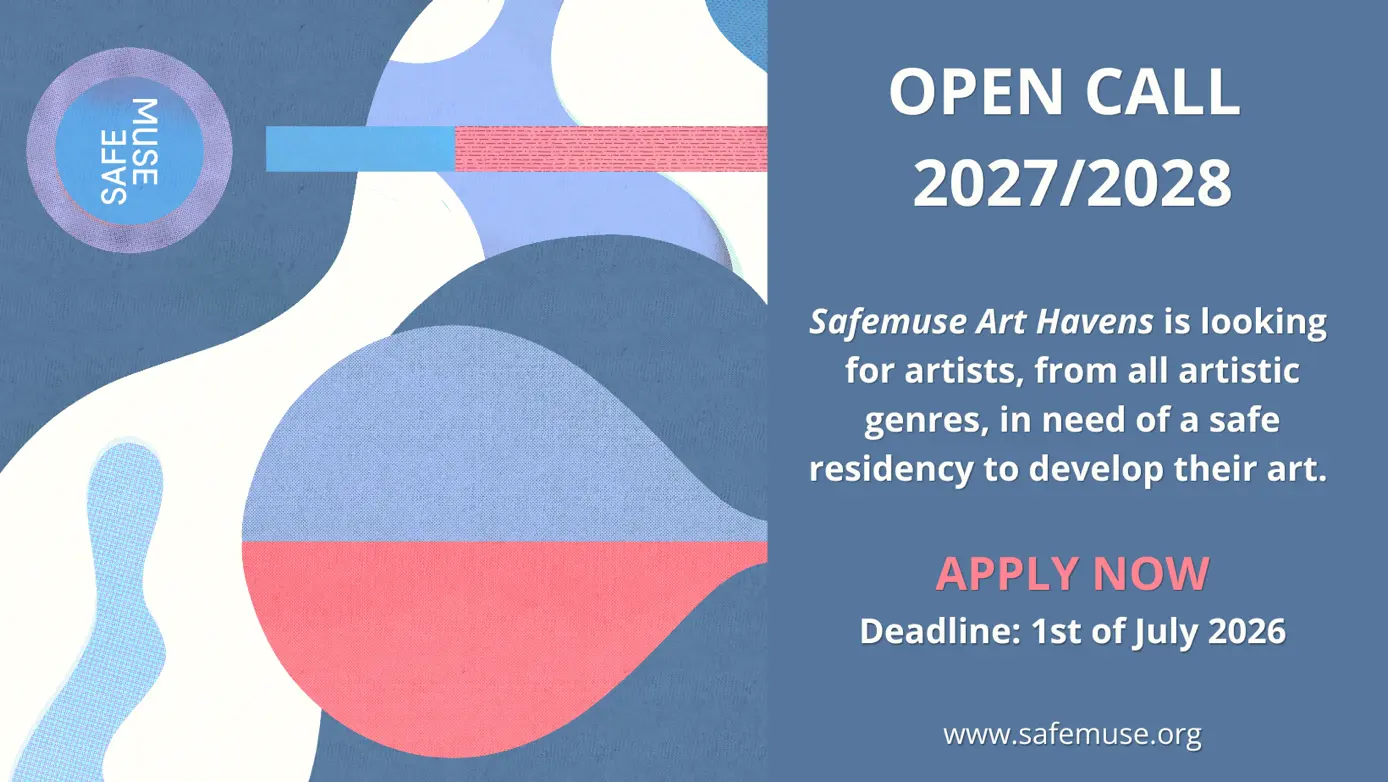
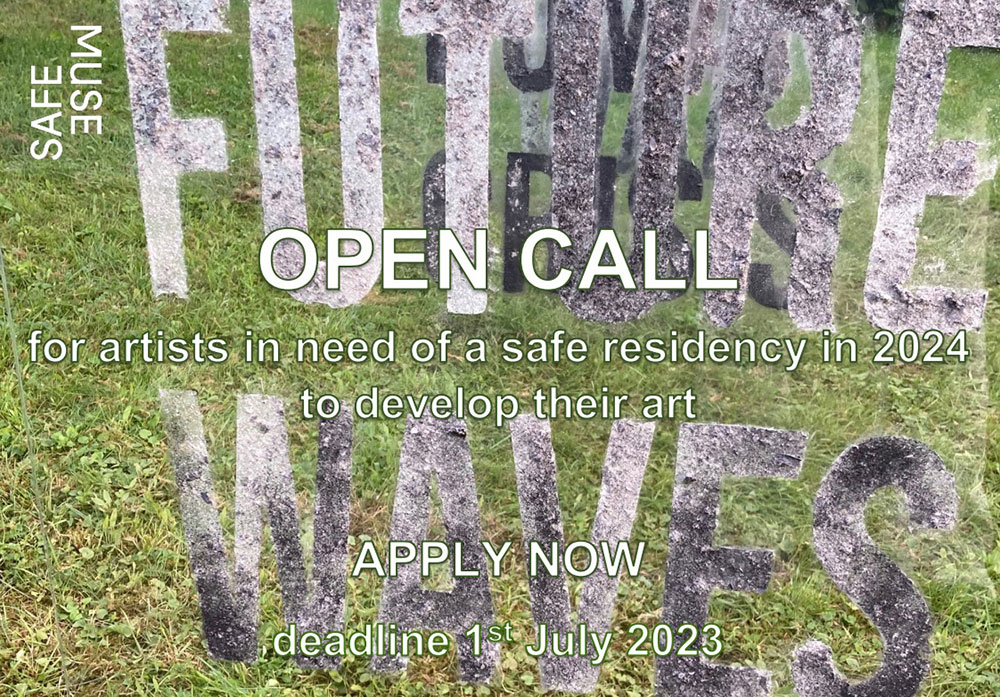
Now we open up for new applications. Deadline July 1st.

Please check out the details HERE

Tara Abdullah: The Girl from The Cigarette Factory

Through painting, performance, installation, and public interventions, Tara Abdullah gives visibility to silenced experiences. Transforming personal memories into collective encounters, her work explores themes of shame, displacement, resistance, and liberation.

erformance, installation, and public interventions, Tara Abdullah gives visibility to silenced experiences. Transforming personal memories into collective encounters, her work explores themes of shame, displacement, resistance, and liberation.

erformance, installation, and public interventions, Tara Abdullah gives visibility to silenced experiences. Transforming personal memories into collective encounters, her work explores themes of shame, displacement, resistance, and liberation....

© Safemuse Organisation - Oslo/Norway

Categories
News Safe Residencies

Whose voices are being heard? Exchange program for foreign artists from Poland and Norway.

OPEN CALL: Whose voices are being heard? - Exchange program for artists from Poland and Norway 2023

January 6, 2023

OPEN CALL FOR ARTISTIC RESIDENCY IN WROCLAW, POLAND 2023

We invite artists to apply for the residency exchange “Whose voices are being heard?” organised by the Wrocław Institute of Culture (Wrocław/PL), Hvitsten Salong (Hvitsten/NO) and Safemuse (Oslo/NO). The project benefits from funding received from Iceland, Liechtenstein and Norway through the EEA funds. The artistic residency exchange between Poland and Norway aims to equalise opportunities and visibility for artists belonging to minorities, creating safe and inclusive spaces for artistic work. It focuses on integrating foreign and minority artists living in Poland and Norway into the mainstream of cultural and artistic life in these countries.

In 2023, six artists from Poland will have the opportunity to go on a month-long residency in Hvitsten and take part in the local art and music festival Hvitsten Salong 2023, and six artists from Norway will be invited to the Wrocław Institute of Culture (WIK) and participate in a closing exhibition in autumn 2023. In Hvitsten, Norway, there will also be one artist at risk chosen from outside the Schengen area who will stay for a longer period. All artists will be supported by curators, in the adaptation, research and creative process. The application deadline is February 6th, 2023.

When will the residencies take place?   

The residencies will take place from spring to autumn 2023, on dates agreed upon between the selected artists and the hosting organisations. 

Who can apply?

The call is aimed at artists, focusing especially (but not exclusively) on female artists that are migrants or belong to minority groups, at different stages of their career:

→ representing various fields of contemporary art (mainly visual arts, but also performing arts and others)

→ living or residing in Norway, including foreign artists living in Norway 

→ who are interested in themes related to migration, inclusion, majority-minority relations, engaged art, art made in public space, the role of the artist and art in society and social change.

→ who wants to go for a month-long residency in Wrocław, in 2023 and show their work at the residency closing exhibition in autumn 2023 in Wrocław. Detailed dates of the residency are agreed upon together with WIK.

How to submit the application?

To apply for the residency, please send by e-mail, in English; 

→ a portfolio in .pdf format and a CV (max. 10 MB) in English;  

→ answers to the questions (1,500-2,000 characters with spaces):

  • Why would you like to participate in the project?
  • What would you like to work on during your residency?
  • What topics move you most in your artistic work?

The application deadline is 6th of February, 2023.

Please send your application by email to: hvitstensalong@gmail.com and post@safemuse.org with the following title: [YOUR NAME] – Whose voices are being heard?


About the residency program

Selected artists will receive an artistic fee and accommodation. They will work with a local curator and have the opportunity to create art in a safe environment and to learn about the cultural life in Poland and Wroclaw. In addition, the project “Whose voices are being heard?” offers an educational component for artists with the aim of professionalising their work. The selected artists will work in an international environment and have the chance to learn about the work of the host institution and the local community. The project is carried out in collaboration with the NGO Safemuse, which supports artists at risk. 

Partners

The Wroclaw Institute of Culture (WIK) is a legacy organisation preparing and implementing for the Wrocław European Capital of Culture 2016. Today it continues to run activities focusing on creating and co-creating artistic, cultural and educational programs for different communities situated between the artistic-, cultural- and educational, focusing on co-creating and art animation for different communities. The AiR program supports mobility of artists from different fields to further develop their artistic praxis.

WIK wants to be a bridge between the institutional field of culture and active citizens, creators, artists and the non-governmental sector. We create opportunities for cooperation, test new formats of activities, identify and research trends and support innovative, non-commercial artistic and cultural initiatives.

We are an institution with a flexible and agile programming structure which can be easily adapted to the challenges posed by a dynamically changing world. In our program we focus on such areas as: competences, support and networking.

Hvitsten Salong is an art institution run by artists and professionals from the world of art and culture. With its experience in organising artistic events, including the annual Hvitsten Salong art and music festival, and its cross-sectoral approach, the institution contributes to the development and creation of innovative solutions for culture. It reaches a wide and diverse audience by exhibiting art in Hvitsten’s public spaces. The initiative also includes an educational program for children and youth.

Safemuse was founded on the initiative of several art organisations in Norway with the purpose of protecting artistic freedom, promote the role of the artist in society and creating an international solidarity initiative. Safemuse has been organising safe residencies for artists at risk from different countries since 2014. Safemuse is part of a network of Norwegian cultural institutions and organisations, as well as an international network working with artistic freedom of expression. Safemuse has so far organised a series of events on the freedom of artistic expression; Artistic Freedom Week / Music Freedom Day;  and .SAFE – a film series portraying artist encounters and conversations about artistic freedoms. Safemuse is also the co-founder and fiscal sponsor of SH|FT – Safe Havens Freedom Talks who organise the Safe Havens Conference – a global networking conference on art, culture, human rights and artistic freedom, as well as a Freedom Talks series. Safemuse will coordinate the participation of the artist at risk staying for the six month-residency in Hvitsten.

Tara Abdullah: The Girl from The Cigarette Factory

Through painting, performance, installation, and public interventions, Tara Abdullah gives visibility to silenced experiences. Transforming personal memories into collective encounters, her work explores themes of shame, displacement, resistance, and liberation.

erformance, installation, and public interventions, Tara Abdullah gives visibility to silenced experiences. Transforming personal memories into collective encounters, her work explores themes of shame, displacement, resistance, and liberation.

erformance, installation, and public interventions, Tara Abdullah gives visibility to silenced experiences. Transforming personal memories into collective encounters, her work explores themes of shame, displacement, resistance, and liberation....

© Safemuse Organisation - Oslo/Norway

Categories
News Safe Residencies

Meet Safemuse’s newest artist in residence: Wang Chong – Ibsen, face masks and freedom to surf the Internet

MEET SAFEMUSE'S NEWEST ARTIST IN RESIDENCE: WANG CHONG -- Ibsen, face masks and freedom to surf the Internet

November 10, 2022

Written by Akari Izumi Kvamme

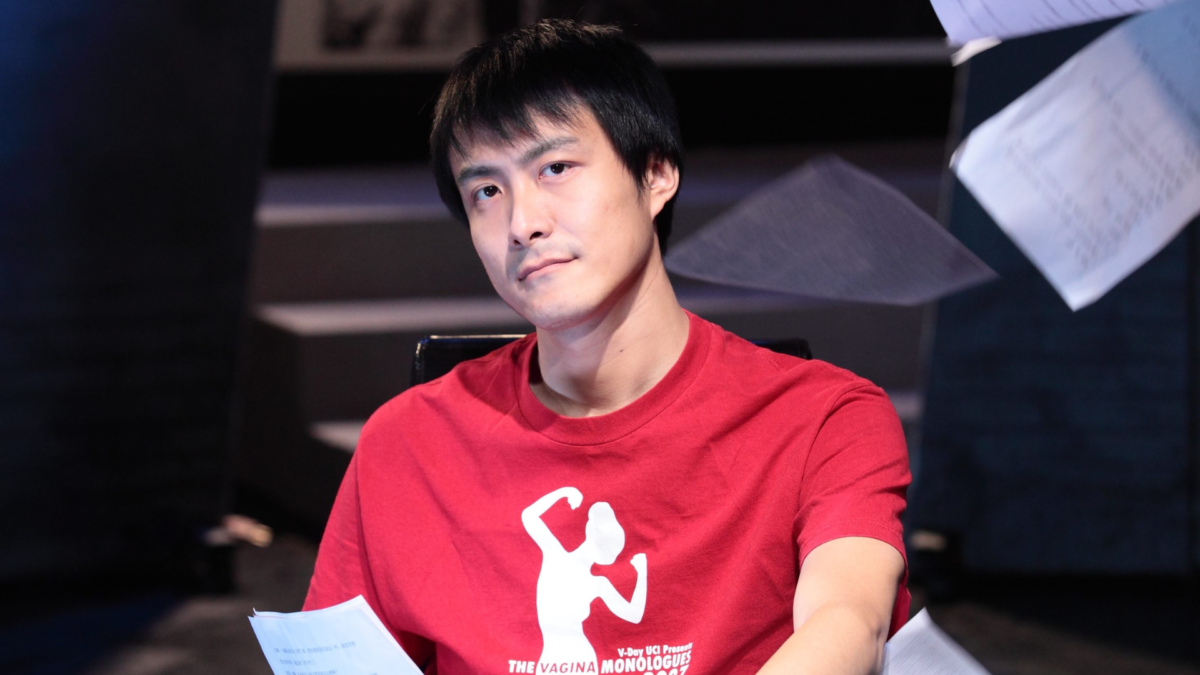
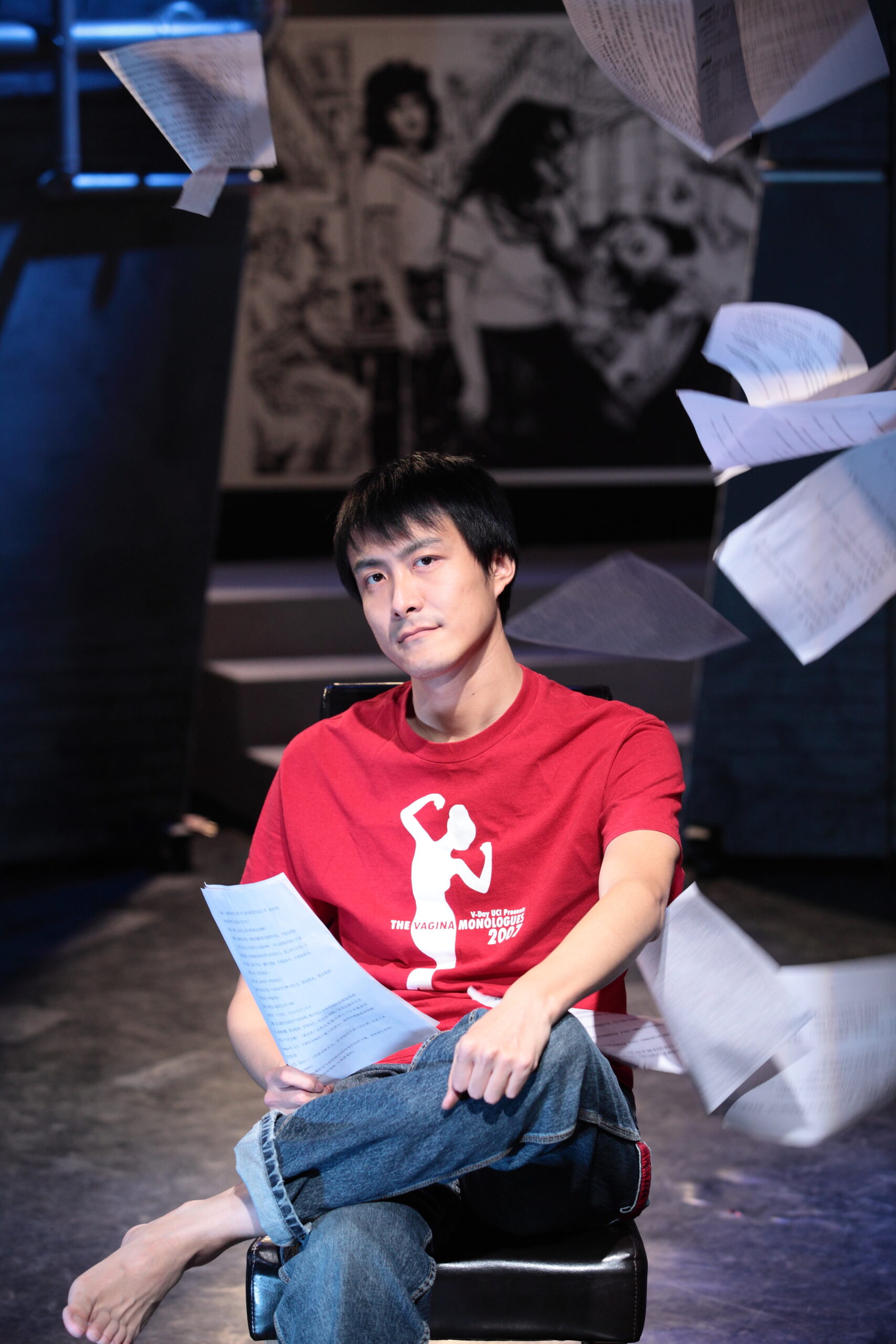
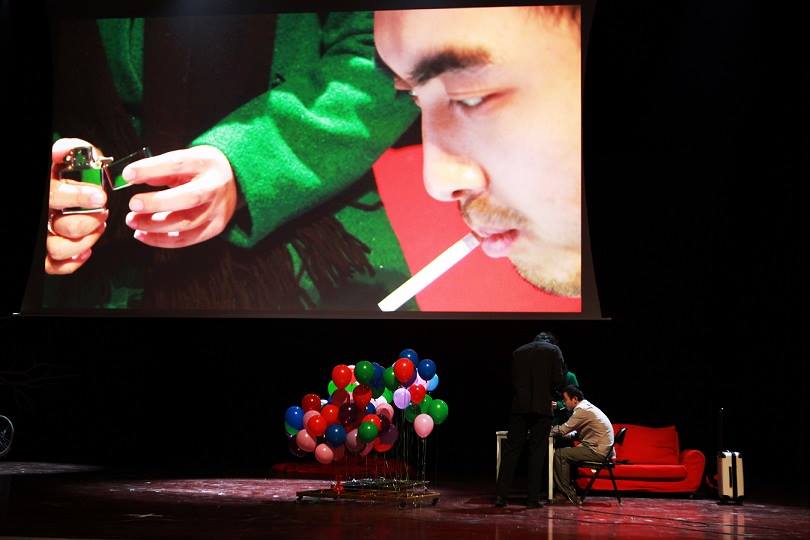
A man of many talents: Wang Chong is Safemuse's newest artist in reidence. Photo: Zhou Jing / Courtesy of the artist.

A long-awaited arrival

Wang Chong is Safemuse’s newest and long-awaited second artist in residence of 2022. Wang was initially supposed to arrive in May around the same time as the first resident, Belarusian artist Zhanna Gladko, however obtaining a visa turned out to be a lengthy and unpredictable process. Safemuse was therefore very pleased to finally welcome Wang to our Oslo residence program in September.

— Working at Safemuse involves a lot of frustration; frustration over visa difficulties; over not having the opportunity to welcome more artists who need the kind of respite Safemuse can offer; and thereby the frustration of having to choose between a large number of highly qualified artists who really need to get away from situations that are difficult for us to imagine.

But it is also rewarding. Very rewarding and inspiring. When the artists arrive, watch them unfold and get the opportunity to work. Opportunities they don’t have at all where they come from, says Safemuse’s former general manager (now senior adviser), Jan Lothe Eriksen.


China’s most internationally-commissioned theater director

Wang Chong was born in Beijing in 1982. He received his bachelor’s degree in law from Peking University before he decided to pursue a master’s degree in theater from University of Hawaii. In 2008, Wang founded the Beijing-based performance group Théâtre du Rêve Expérimental (www.theatrere.org).

Wang has translated and directed Chinese premieres of internationally-acclaimed texts, such as Heiner Müller’s Hamletmachine, Peter Handke’s Self-accusation, Sarah Kane’s Crave, Nick Payne’s Constellations, Eve Ensler’s The Vagina Monologues, and Woody Allen’s Central Park West.

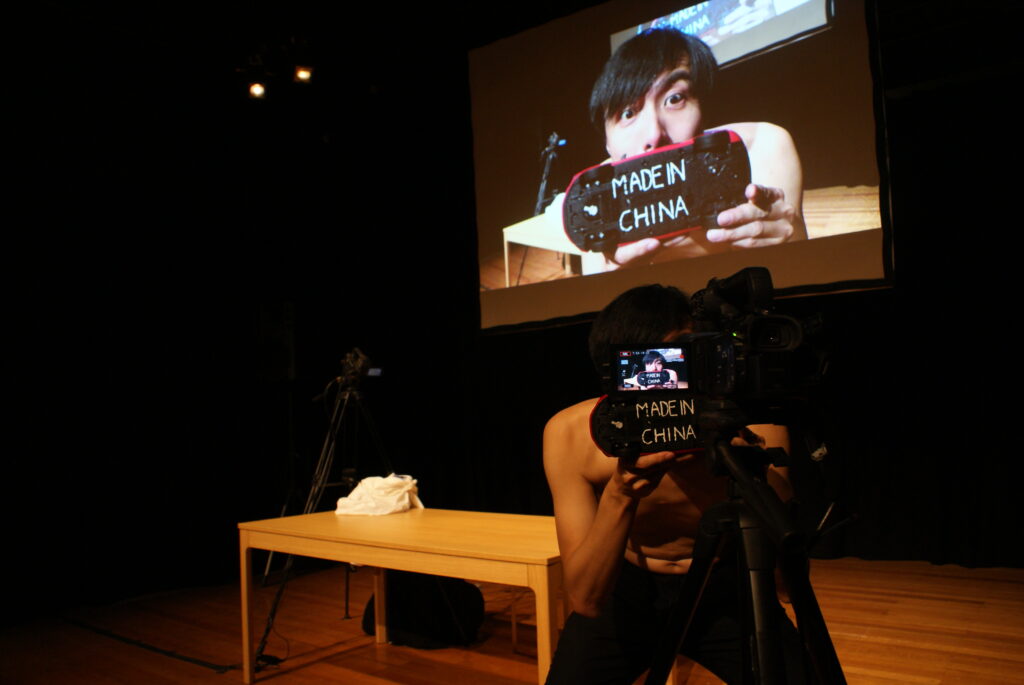
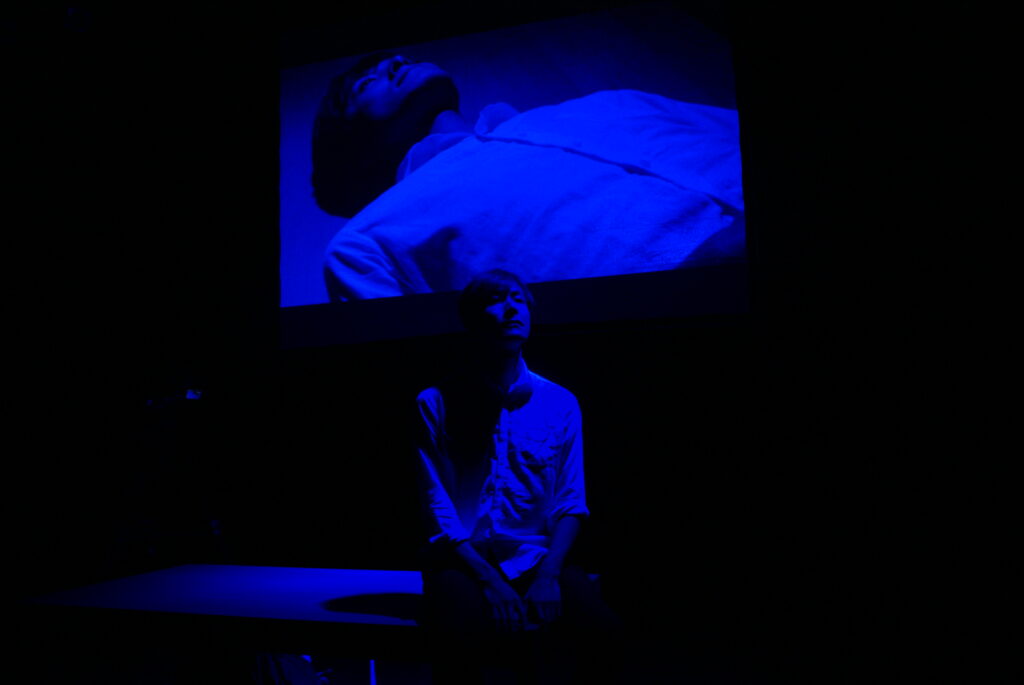
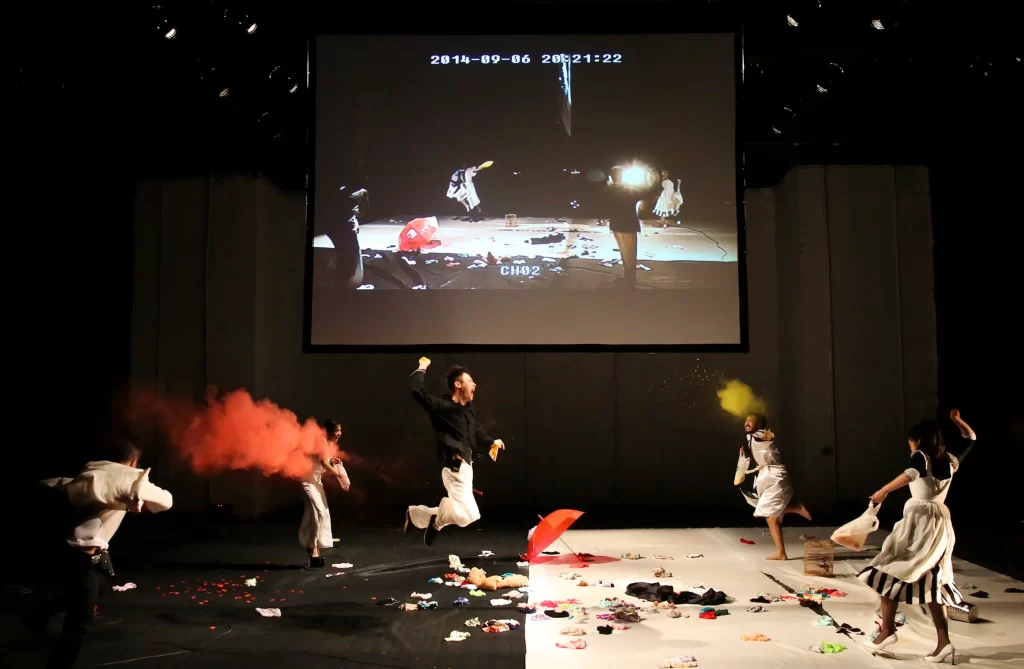
Scenes from Wang Chong’s Made in China 2.0, the solo performance he might bring to Oslo in 2023. Photo: courtesy of the artist.
Scenes from Wang Chong’s Made in China 2.0. Photo: courtesy of the artist.

Today Wang Chong is China’s most internationally-commissioned theater director and, so far, his works have been performed in 20 countries, including Norway at the Oslo International Ibsen Festival. Wang is happy to be in back in Ibsen’s homeland.

— Ibsen was part of our high school literature curriculum, and certainly essential to my theater education in the U.S. I started to work with the Oslo-based organization, Ibsen International, in 2012. Together with playwright Oda Fiskum, producer Inger Buresund, and dramaturg Hege Tørressen, we tried to bring most of Ibsen’s essence into one work, Ibsen in One Take, which was brought here in 2014 as part of the Ibsen Festival. I was commissioned by Ibsen International in the same year to direct Ghosts 2.0, an adaptation set in contemporary China. I hope that I can bring it too to Norway one day.

Wang Chong has an extensive and impressive artistic portfolio, and he is the recipient of numerous awards. Among his many productions, we find The Warfare of Landmine 2.0, which won the Festival/Tokyo Award; Lu Xun, which was noted as The Best Chinese Performance of the Year by The Beijing News; Teahouse 2.0, which won the One Drama Award; Waiting for Godot, a live online performance which has an audience of 290,000; and The Plague, a live online performance with artists working from six continents.

“Without the basic freedoms, I would not be able to learn, research, and experiment enough to come up with artistic concepts.”

Wang Chong

In 2014, Wang Chong presented Ibsen in One Take at the Ibsen Festival in Oslo. Photo: Lui Chen / Courtesy of the artist.
Scenes from Wang Chong's production Ghosts 2.0. Photo: Zhu Lei / Courtesy of the artist.

Face masks, firewalls and basic freedoms

After two years of Covid restrictions and a lengthy six months of awaiting his temporary visa for Norway, Wang finally arrived in Oslo on the 17th of September.

— Being stuck in one country for two and a half years, as an international artist, it was stifling. I was hoping to once again dive into the world and see how people and artists in Norway and other countries are coping with life and arts. The most important thing, he notes, is that I got out of the zero-Covid zone, expecting to re-experience what life can be.

— Although I was here in 2014, it was more of a cultural shock moment this time around. On day one, when I stepped into the Central Station, I saw hundreds of men and women from all walks of life. They were standing, running, talking, laughing, and eating, all maskless and fearless. I stood there, speechless, trying to make sense. When I started to understand the situation, I couldn’t stop laughing. I took off my mask. I became a new being on my arrival.

Looking back at his first few weeks in Oslo, Wang says:

— I have regained Google freedom, YouTube freedom, Wikipedia freedom, and Netflix freedom. These things are not something to talk about or worry about in the Norwegian context, but I have to say these freedoms are forming a new foundation to my creativity. Right away I started to learn and create with artificial intelligence. The booming field looks so exciting, when there is no firewall blocking your vision. So many apps, websites, and open-source platforms are out there. Without the basic freedoms, I would not be able to learn, research, and experiment enough to come up with artistic concepts.

— The residency has been great so far. I have been focusing on an artificial intelligence (AI) generated short film and checked out performances, museums, and hiking trails of Oslo.

“I have regained Google freedom, YouTube freedom, Wikipedia freedom, and Netflix freedom. These things are not something to talk about or worry about in the Norwegian context, but I have to say these freedoms are forming a new foundation to my creativity.”

Wang Chong”

Wang Chong’s artistic ambitions

Wang has large ambitions for the residency and his artistic plans include an AI-generated short film, a documentary film, and a new text for theater.

— I don’t want to spoil it by telling you how exactly the AI-generated short film would look like. What I can say is that I want to create an intriguing story about the future of humanity.

Wang’s ongoing documentary film project is titled A Director Sitting Still. It is about the life and death of Hu Bo, the young director of award-winning film An Elephant Sitting Still.

— In 2019 I started to ask, why did such a talented artist commit suicide at the age of 29? During the residency, I will focus on editing and post-production of the film. If you have not seen Hu Bo’s movie, I highly recommend it!

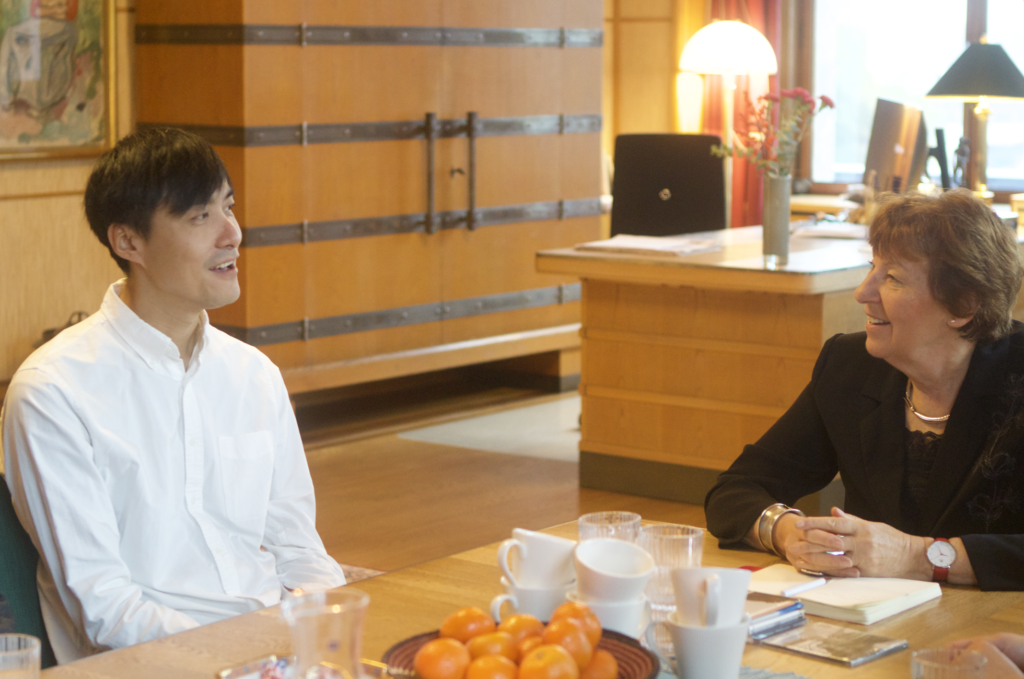
After arriving in Oslo, the city’s mayor Marianne Borgen invited Wang Chong to a meeting at the City Hall. Photo: Akari Izumi Kvamme / Safemuse

Wang is also working on his solo performance, Made in China 2.0. It will premiere in Boston before a world-tour. There is a possibility the piece will be shown in Oslo in 2023.

— Wang Chong is an artist who uses the newly acquired opportunities with great enthusiasm. And for us at Safemuse, the Norwegian art community and for the Norwegian public, it is a fantastic resource to have artists like this visit. We are very much looking forward to being able to present Wang on stage, and to get his look and his artistic approach to the themes he will present, says Jan Lothe Eriksen, before he continues: — At the same time, our guest artists are a reminder of what an incredible reality we live in here, compared to other countries and regions. Many thanks to Oslo municipality for making this program possible.

Safemuse’s residence coordinator, Jon Lundell, is also impressed by Chong’s artistic work and ambitions:

— Artistically, Chong stuck out from the vast number of applicants for our Oslo residence. I saw that his previous work and future plans are full of life, humor, creativity, experimentation and seriousness. He intelligently confronts difficult themes with a brave and open mind. This openness and interest of learning and meeting new obstacles professionally, is both inspiring and important in present and future collaborations. His interest in other people, their struggles and character also makes him humble and just a great guy to work with.

– –

For more information and artistic works, check out online articles on Wang Chong and his Youtube channel. 

Tara Abdullah: The Girl from The Cigarette Factory

Through painting, performance, installation, and public interventions, Tara Abdullah gives visibility to silenced experiences. Transforming personal memories into collective encounters, her work explores themes of shame, displacement, resistance, and liberation.

erformance, installation, and public interventions, Tara Abdullah gives visibility to silenced experiences. Transforming personal memories into collective encounters, her work explores themes of shame, displacement, resistance, and liberation.

erformance, installation, and public interventions, Tara Abdullah gives visibility to silenced experiences. Transforming personal memories into collective encounters, her work explores themes of shame, displacement, resistance, and liberation....

© Safemuse Organisation - Oslo/Norway

Categories
News Safe Residencies

“We are doing this to support independent voices”

– We are doing this to support independent voices

August 24, 2022

Artistic freedom of expression,  solidarity and collaboration

In an increasingly polarised world, with tensions between nations, cultures, political parties and cultural norms, a growing group of artists are encountering obstacles in the execution of their work. Artists are in many cases regarded as activists, even when they themselves do not identify with, or promote a political view or a political movement. This is especially true for female artists, artists that are queer, come from minority or indigenous groups or artists that work in genres not deemed acceptable by society or by their government. One of Safemuse’s most important projects is, therefore, to create safe residencies for artists and to promote artistic freedom of expression, as well as artistic solidarity and collaboration.

At the closing event of the Safe Havens Conference in Oslo in December of 2021, Vice Mayor for Culture and Sports, Omar Samy Gamal, expressed the City of Oslo’s unwavering endorsement for Safemuse’s residency program:

– We are doing this to support independent voices, and because diversity in the arts is what keeps it vibrant and alive. And we are doing it because freedom of expression is under pressure in many parts of the world.”

Vice Mayor for Culture and Sports in Oslo, Omar Samy Gamal, at the closing event at the Safe Havens Conference in 2021 (Photo: Cronje Strøm).

“We are doing this to support independent voices, and because diversity in the arts is what keeps it vibrant and alive. And we are doing it because freedom of expression is under pressure in many parts of the world.”

– Omar Samy Gamal, Vice Mayor for Culture and Sports in Oslo

At the opening of the Artistic Freedom Week in March, the Norwegian Minister of Culture, Anette Trettebergstuen followed suit and emphasised that she – cannot think of anything more important than to promote the importance of artistic freedom and to define artists’ right to move and express themselves. It is simply a matter of democracy, the most fundamental thing we have to fight for.


Safemuse Artistic Safe Haven residency program

At the beginning of the year, Safemuse established a residency program in the Norwegian capital of Oslo for artists subjected censorship, threats, persecution, or/and that for various reason cannot work freely in the place they currently reside. The program offers residencies for artists within all artistic disciplines. The residencies have a duration of up to six-month and are focused on artistic development and cooperation. The Safemuse Artistic Safe Haven residency program in Oslo is funded by the City of Oslo and carried out in collaboration with Nordic Black Theatre.

– After years of uncertain, unpredictable and scarce funding for our residency projects, Safemuse finally has the possibility, through the support of the City of Oslo’s enthusiastic political and administrative leadership,  to invite artists in need for a safe space and possibilities for artistic development. But unfortunately, we are only able to host some few artists out of the many thousands who are in danger and in serious need of safe residencies. Hence, we are looking forward to develop the program further and be able to invite more independent voices, says Jan Lothe Eriksen, general manager of Safemuse.

Safemuse is also working to expand the program in order to offer similar residency opportunities in other places in Norway.

– We have been working hard to set up a well-functioning residency program that caters to the individual needs and aspirations of the artists who are selected to partake in the program. The response from organisations, institutions and individuals has been overwhelmingly positive and many have expressed an interest to collaborate with- or contribute to the initiative in various ways, says Jon Lundell, Safemuse’s residence coordinator. He reveals that Safemuse, in collaboration with the artist-run organisation Hvitsten Salong, will start up yet another residence in the coastal town of Hvitsten in 2023.


Open call for applications

On August 1st, Safemuse published an open call for applications for its upcoming residencies in 2023. The deadline is on September 1st and Safemuse encourages its friends and supporters around the world to help spread the word about this opportunity to artists at risk and in need of a safe space to develop their art.

Tara Abdullah: The Girl from The Cigarette Factory

Through painting, performance, installation, and public interventions, Tara Abdullah gives visibility to silenced experiences. Transforming personal memories into collective encounters, her work explores themes of shame, displacement, resistance, and liberation.

erformance, installation, and public interventions, Tara Abdullah gives visibility to silenced experiences. Transforming personal memories into collective encounters, her work explores themes of shame, displacement, resistance, and liberation.

erformance, installation, and public interventions, Tara Abdullah gives visibility to silenced experiences. Transforming personal memories into collective encounters, her work explores themes of shame, displacement, resistance, and liberation....

© Safemuse Organisation - Oslo/Norway

Categories
Administration Fri Kunst News Safe Residencies

Safemuse er bekymret over regjeringens kutt til menneskerettighetsarbeid i revidert statsbudsjett

Revidert Statsbudsjett: Regjeringens kutt til menneskerettighetsarbeid skaper bekymring

May 13, 2022

Regjeringen møter ikke situasjonen verden står i

I forslag til revidert statsbudsjett 2022, som ble lagt frem på torsdag, foreslår regjeringen å kutte støtten til satsinger på menneskerettigheter, menneskerettighetsforsvarere, kvinners rettigheter, arbeidstakerrettigheter, ytringsfrihet, rettsstat og demokrati med 136 millioner kroner. Daglig leder i Safemuse, Jan Lothe Eriksen, er dypt bekymret for det foreslåtte kuttet på over 20 prosent i en urolig tid hvor behovet for å prioritere menneskerettighetsarbeid er større enn på lenge:

– Det er dypt foruroligende og meget overraskende at regjeringen velger å foreslå å kutte i budsjettposten som er satt av til arbeid for menneskerettigheter og menneskerettighetsforkjempere. I en tid med økende press mot ytringsfrihet og menneskerettighetsforkjempere, inkludert kunstnere, i Europa er dette området viktigere enn noen gang. Det foreslåtte kuttet er i sterk motsetning til hva regjeringen har signalisert så langt. Utenriksdepartementets egen strategi på dette området er krystallklar, og den løfter frem kunstnere som viktige menneskerettighetsforkjempere og demokratibyggere. Og Kulturminister Anette Trettebergstuen fremholdt under åpningen av Fri Kunst-konferansen 4. mars at dette område er noe av det viktigste man kan arbeide for, nettopp med henvisning til krigen i Ukraina og den urolige tiden vi lever i. Sist under Europakonferansen i Kristiansand 5. mai, hvor vel rammene for budsjettet var lagt, gjentok statssekretær i Kulturdepartementet Odin Adelsten Aunan Bohmann, viktigheten av å beskytte ytringsfrihet og kulturelle rettigheter, og påpekte kunstnernes viktige rolle som demokratiforkjempere.

Med Hurdalplattformens klare formulering på dette området blir budsjettforslaget helt uforståelig. I denne tiden er det snarere behov for en opptrapping og styrking av dette arbeidet, og ikke å foreta dramatiske budsjettkutt! 


The government does not heed to the situation in the world

In the proposal for the revised state budget 2022, which was presented on Thursday, the Norwegian government proposes to cut the support for work related to human rights, human rights defenders, women’s rights, labor rights, freedom of expression, the rule of law and democracy by NOK 136 million. Safemuse’s general manager, Jan Lothe Eriksen, is deeply concerned that a more-than-20 percent-cut is proposed in these turbulent times when the need for these funds is acute: 

– It is deeply disturbing and very surprising that the government chooses to propose cuts in the effort for human rights and human rights defenders. In times of increasing pressure on freedom of expression and human rights defenders, including artists, in Europe, this area is more important than ever. The proposed cut is in stark contrast to what the government has signaled so far. The Ministry of Foreign Affairs’ own strategy in this area is crystal clear, and it highlights artists as important human rights defenders and democracy-builders. At the opening of the Artistic Freedom Conference on March 4th, the Minister of Culture, Anette Trettebergstuen, emphasised that this area is one of the most important areas to work for, particularly with reference to the war in Ukraine and the turbulent times we live in. Most recently during the European Conference in Kristiansand on May 5th, State Secretary in the Ministry of Culture, Odin Adelsten Aunan Bohmann, reiterated the importance of protecting freedom of expression and cultural rights, and highlighted the important role of artists as pro-democracy activists.

With a national political platform that clearly states the importance of human rights efforts, the budget proposal becomes completely incomprehensible. This is the time to escalate and strengthen this work, rather than to make a dramatic budget cut!
Tara Abdullah: The Girl from The Cigarette Factory

Through painting, performance, installation, and public interventions, Tara Abdullah gives visibility to silenced experiences. Transforming personal memories into collective encounters, her work explores themes of shame, displacement, resistance, and liberation.

erformance, installation, and public interventions, Tara Abdullah gives visibility to silenced experiences. Transforming personal memories into collective encounters, her work explores themes of shame, displacement, resistance, and liberation.

erformance, installation, and public interventions, Tara Abdullah gives visibility to silenced experiences. Transforming personal memories into collective encounters, her work explores themes of shame, displacement, resistance, and liberation....

© Safemuse Organisation - Oslo/Norway

Categories
Administration News Safe Residencies

Upcoming artistic residency in Oslo and a new Residence Coordinator

Upcoming artistic residency in Oslo and a new Residence Coordinator

February 3, 2022
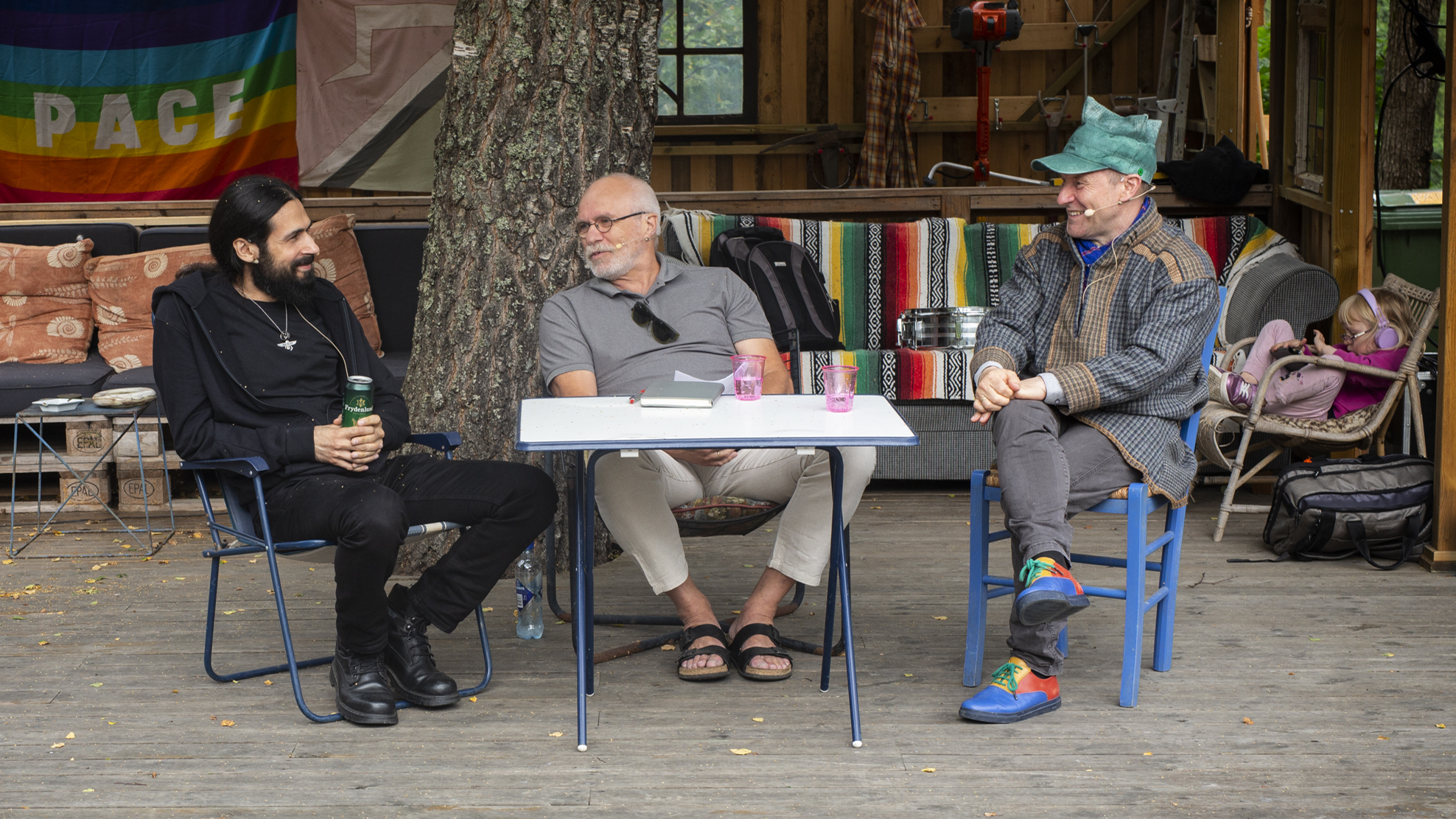
Former resident artist Sina Winter, Safemuse director Jan Lothe Eriksen and Sami indigenous rights specialist and joiker Ande Sonby in a panel discussion at Hvitsten Salong in August 2021. Photo: Kine Bruniera
Upcoming residency program in Oslo

The observations and reports by Freemuse and the wider, international network dedicated to defending artistic freedom of expression, all share a common concern: All over the world, artists are exposed to threats and persecution because they create art and in various ways are perceived as a challenge to existing power structures. 


When Safemuse was established in 2013, its mission emanated from various Norwegian artists’ organisations’ wish to protect the artistic freedom of expression and the role of artists in society. The newly-launched residency program in Oslo is the last development in Safemuse’s international solidarity initiative, which aims to give artists safe spaces to create and develop their artistry, regardless of the country in which they reside.


“We continue to see a great need for permanent residences that can ensure continuity and predictability in our work, and contribute to safe opportunities for the artists” says Jan Lothe Eriksen, the director of Safemuse. Artists who experience harassment, persecution and threats are forced to work under very difficult conditions, and have a great need to get out of such situations, recharge their batteries, meet colleagues, expand their repertoire and develop new works and projects. By inviting endangered and persecuted artists to safe residences, we provide the opportunity for a breather. At the same time, Norwegian artists get the opportunity to collaborate with foreign colleagues with completely unique qualities and backgrounds, present these to the public and enrich the Norwegian cultural scene. The residency program in Oslo is organised in cooperation with Nordic Black Theatre and funded by the City of Oslo. The activities related to the program will also strengthen international cultural cooperation in Oslo, cooperation for artistic freedom of expression and increased understanding of art as a societal changer.

Meet our new project coordinator
Jon Lundell is the newest addition to Safemuse's team. Photo: Nosizwe Baqwa

“As artistic freedom is an important base for any well-functioning society, it should be allowed to be as diverse as we as humans are.”

-Jon Lundell, Residency Coordinator

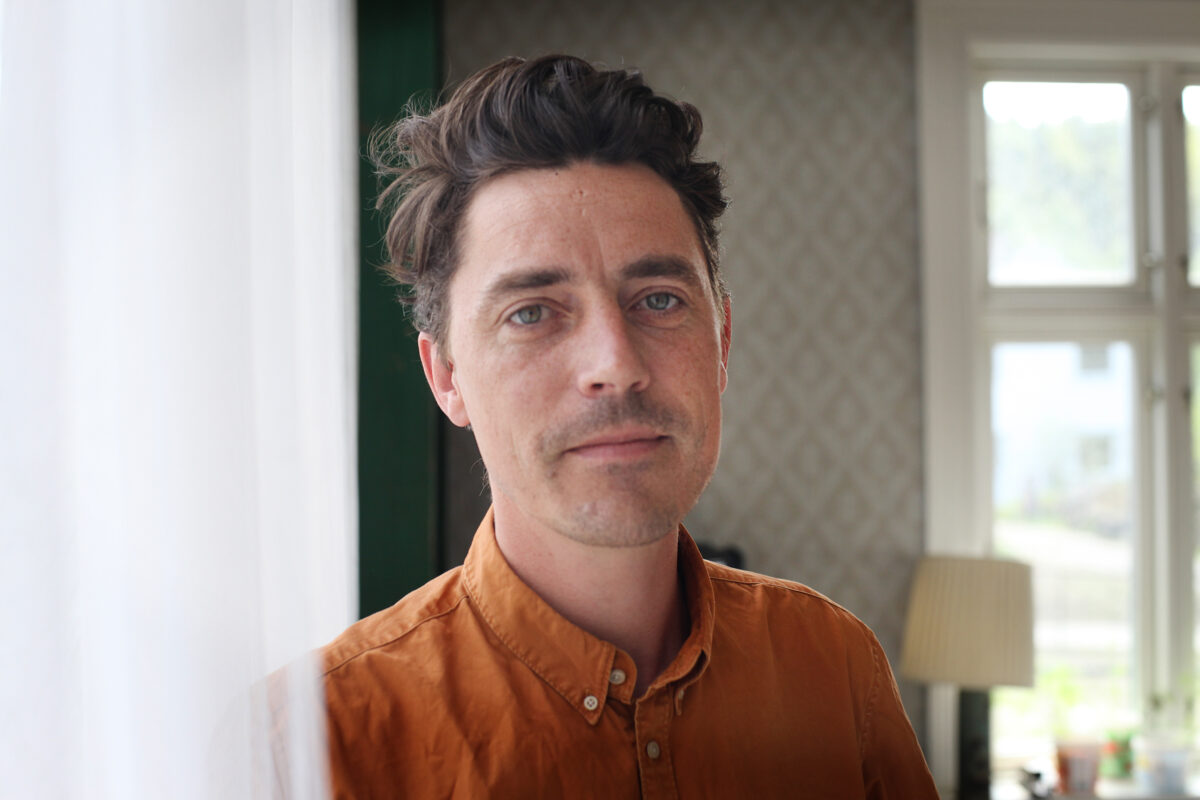
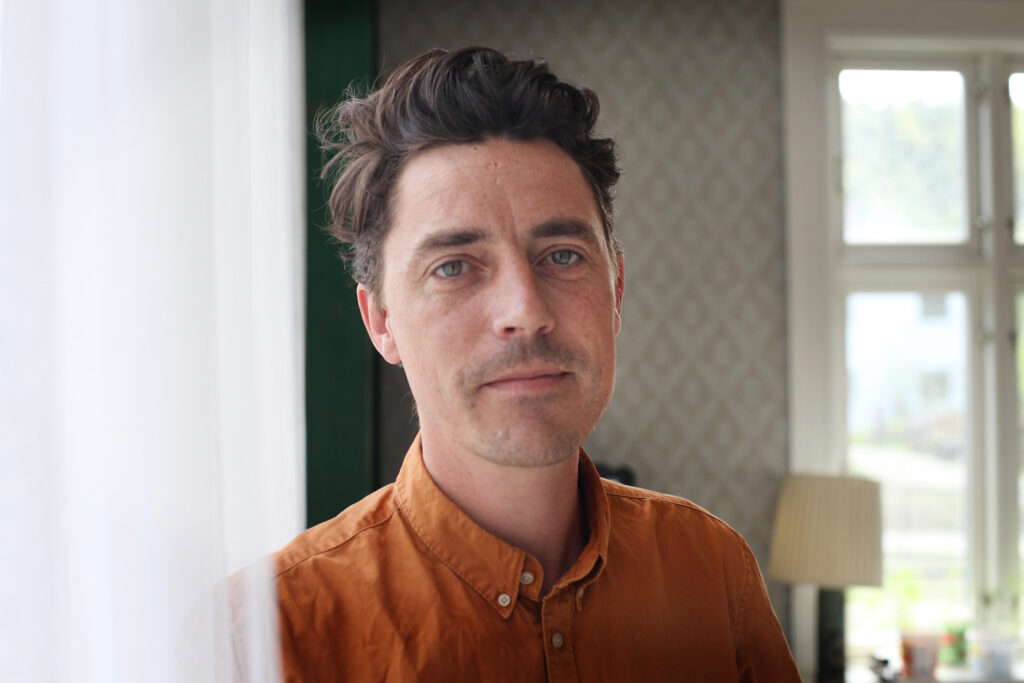
Jon Lundell, is the newest addition to Safemuse’s team. Jon is a father of two children and has a background as a photographer, artist, art teacher and director of the wonderful art festival, collective and hub, Hvitsten Salong

What does artistic freedom mean to you?

“As artistic freedom is an important base for any well-functioning society, it should be allowed to be as diverse as we as humans are. This, I think, should be at the core of the understanding of artistic freedom. At the same time, we must be vigilant when it is being used as means for oppressive discourse and reactionary practice. Safemuse is doing super important work for artists at risk and pushing the agenda of human rights and artistic freedom. I am very eager to be part of the organisation and look forward to contributing to this amazing work, as well as to broaden my perspectives and learn more about the challenges in the world of art.” 

Safemuse is thrilled to have such a knowledgeable, experienced and motivated new team member onboard to help run the residency in Oslo and, hopefully, contribute to realising the ambitions to expand the Artistic Safe Haven residency program to other parts of Norway in the future.

Tara Abdullah: The Girl from The Cigarette Factory

Through painting, performance, installation, and public interventions, Tara Abdullah gives visibility to silenced experiences. Transforming personal memories into collective encounters, her work explores themes of shame, displacement, resistance, and liberation.

erformance, installation, and public interventions, Tara Abdullah gives visibility to silenced experiences. Transforming personal memories into collective encounters, her work explores themes of shame, displacement, resistance, and liberation.

erformance, installation, and public interventions, Tara Abdullah gives visibility to silenced experiences. Transforming personal memories into collective encounters, her work explores themes of shame, displacement, resistance, and liberation....

© Safemuse Organisation - Oslo/Norway

Categories
News Safe Residencies

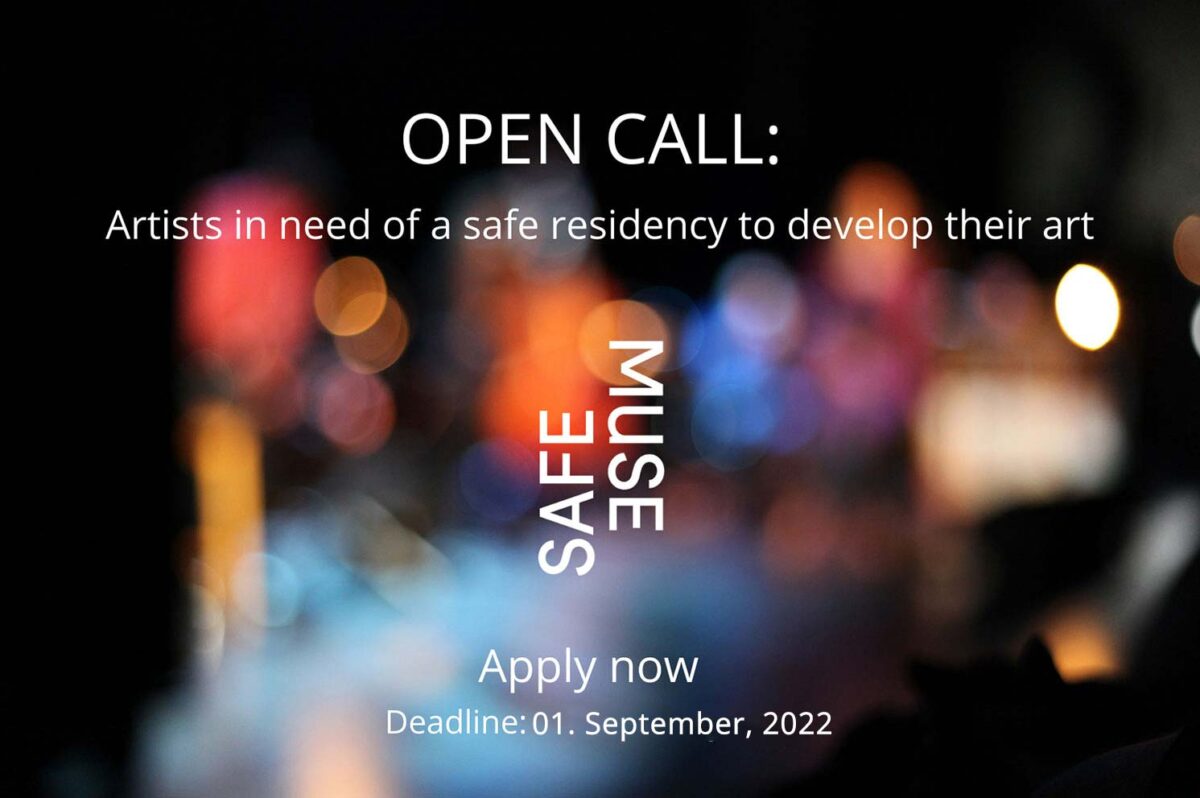
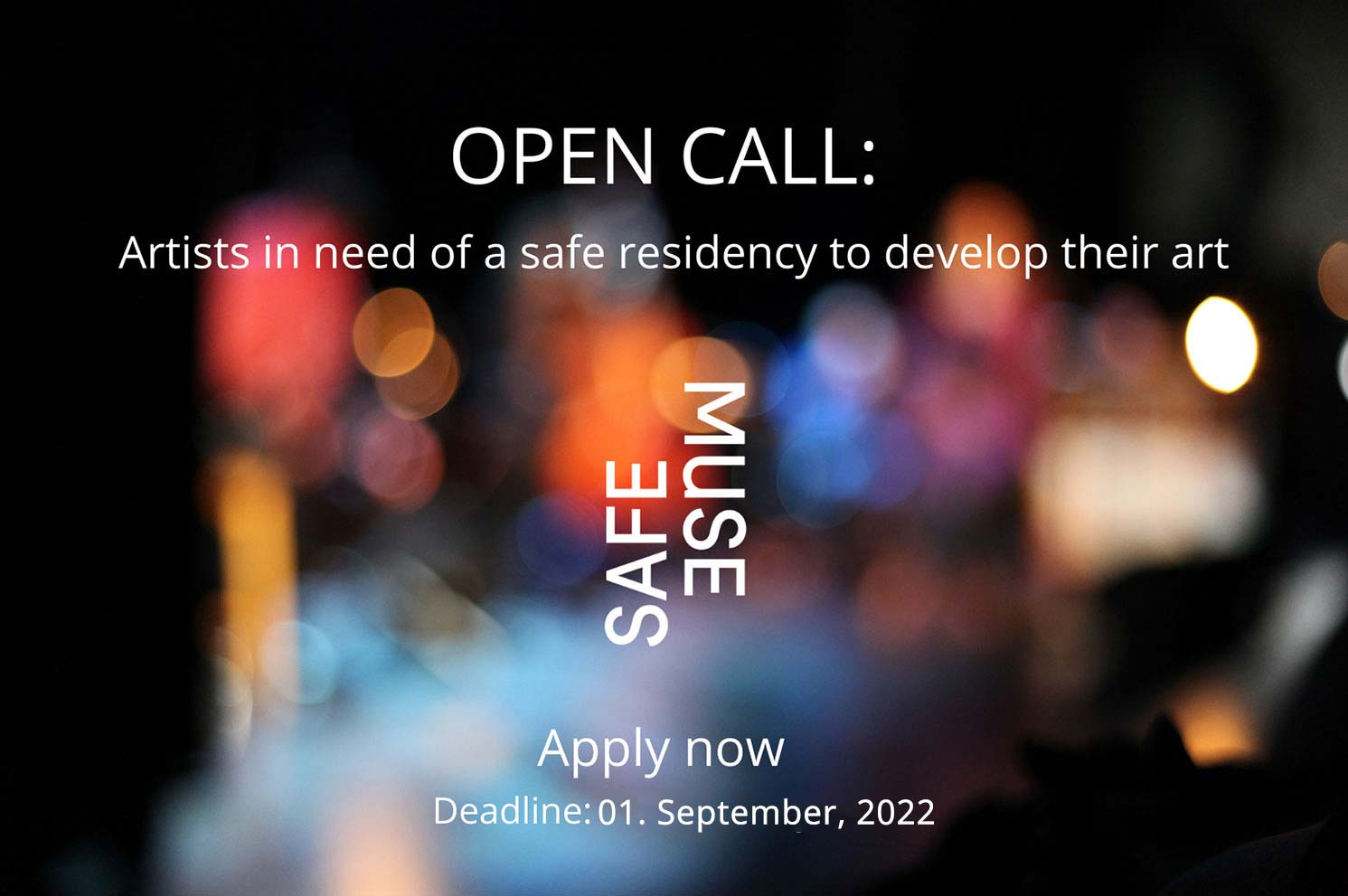
Safemuse kicks off 2022 with an open call for artists in need of a safe residency to develop their art

Safemuse kicks off 2022 with an open call for artists in need of a safe residency to develop their art

January 28, 2022

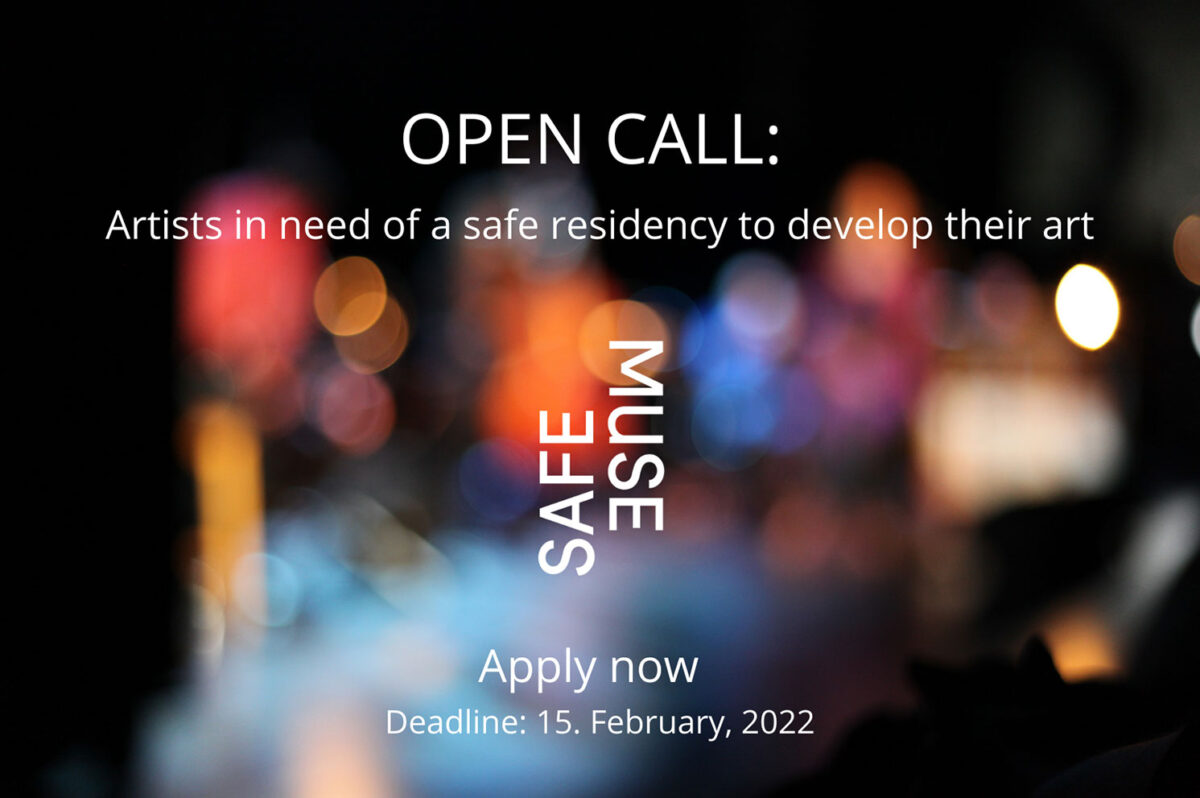
On the 28th of January, an open call for artists in need of a safe residency to develop their art was published on Safemuse’s homepage. The online application form will be open from the 1st of February until the application deadline on the 15th of February 2022. 

One of Safemuse’s most important objectives is to create Safe Residencies for artists, promote artistic freedom of expression, artistic solidarity and collaboration. After receiving funding from the Municipality of Oslo, Safemuse is, together with Nordic Black Theatre, establishing a residency program in the Norwegian capital of Oslo. The residencies aim to support artists who are experiencing persecution, censorship or are otherwise living under threat and that for various reasons cannot work freely in their place of living. 

“This is a great leap forward in Safemuse’s work for artists at risk!” says Jan Lothe Eriksen, the director of Safemuse. Eriksen and his colleagues has for years strived to make the residency program a reality and he is now looking forward to inviting the two first artists: 

“Until now we have had to seek funding for every residency project, a rather complicated process,” he explains. “However, with this new funding from the Oslo City Council we will have a foreseeable financial situation for this work. It will allow us to plan the residencies in a much better way, and not the least, build a sustainable residency program over time within a predictable framework. Over time this initiative will contribute to Oslo as an important Safe Haven, in addition it already being an ICORN-city.”

“It has been a long process getting to where we are today,” Eriksen adds. “And we are grateful for the support and assistance from Jarl Solberg and Cliff Mustache at Nordic Black Theatre, as well as Sverre Pedersen at the former Freemuse Oslo office and Hans Ole Rian at Creo-union.”

In 2022, Safemuse will offer two six-month residencies that focus on artistic development and cooperation for artists within all artistic disciplines. The residence program places the artists at the centre stage, providing them a safe and free space to create, develop and present art, collaborate with other artists, and expand their networks. 

The residency program is funded by the Municipality of Oslo. At the closing event of the Safe Havens Conference 2021 that took place at Sentralen in Oslo on the 4th of December, Vice Mayor for Culture and Sports, Omar Samy Gamal, spoke about the duty of politicians to “facilitate and to protect an open and informed conversation”, and underlined the City of Oslo’s support for initiatives that promote freedom of expression and artistic independence: 

“Oslo is a diverse city, home to more than 200 nationalities. The city government’s vision is making Oslo a warmer and more creative city, with room for everyone. The objective is for everyone to experience Oslo as an open and inclusive and tolerant city. This is why Oslo has been a city of refuge for writers since 2001.” 

“We are working now on expanding our city of refuge scheme to also be a safe haven for artists at risk and human rights activists,” Gamal adds. “We are doing this to support independent voices, and because diversity in the arts is what keeps it vibrant and alive. And we are doing it because freedom of expression is under pressure in many parts of the world.”

Oslo’s Vice Mayor of Culture and Sports, Omar Samy Gamal, spoke at the Safe Havens Conference in December 2021. (Photo: Cronje Strøm)

On the 28th of January, an open call for artists in need of a safe residency to develop their art was published on Safemuse’s homepage. The online application form will be open from the 1st of February until the application deadline on the 15th of February 2022. 

One of Safemuse’s most important objectives is to create Safe Residencies for artists, promote artistic freedom of expression, artistic solidarity and collaboration. After receiving funding from the Municipality of Oslo, Safemuse is, together with Nordic Black Theatre, establishing a residence program in the Norwegian capital of Oslo. The residencies aim to support artists who are experiencing persecution, censorship or are otherwise living under threat and that for various reasons cannot work freely in their place of living. 

“This is a great leap forward in Safemuse’s work for artists at risk!” says Jan Lothe Eriksen, the director of Safemuse. Eriksen and his colleagues has for years strived to make the residence program a reality and he is now looking forward to inviting the two first artists: 

“Until now we have had to seek funding for every residency project, a rather complicated process,” he explains. “However, with this new funding from the Oslo City Council we will have a foreseeable financial situation for this work. It will allow us to plan the residencies in a much better way, and not the least, build a sustainable residence program over time within a predictable framework. Over time this initiative will contribute to Oslo as an important Safe Haven, in addition it already being an ICORN-city.”

“It has been a long process getting to where we are today,” Eriksen adds. “And we are grateful for the support and assistance from Jarl Solberg and Cliff Mustache at Nordic Black Theatre, as well as Sverre Pedersen at the former Freemuse Oslo office and Hans Ole Rian at Creo-union.”

Tara Abdullah: The Girl from The Cigarette Factory

Through painting, performance, installation, and public interventions, Tara Abdullah gives visibility to silenced experiences. Transforming personal memories into collective encounters, her work explores themes of shame, displacement, resistance, and liberation.

erformance, installation, and public interventions, Tara Abdullah gives visibility to silenced experiences. Transforming personal memories into collective encounters, her work explores themes of shame, displacement, resistance, and liberation.

erformance, installation, and public interventions, Tara Abdullah gives visibility to silenced experiences. Transforming personal memories into collective encounters, her work explores themes of shame, displacement, resistance, and liberation....

© Safemuse Organisation - Oslo/Norway

Categories
News Safe Residencies

‘Historias’ nominated to Gullsekken 2021 award

‘Historias’ nominated to Gullsekken 2021 award

October 21, 2021
Foto: Kristian Glomnes / Seanse

Earlier this month, ‘Historias’ was selected as one of the nominees to the cultural award Gullsekken 2021 for the category Best Tour Production. Together with Piero Issa, Jon Tombre, Fahil Anweri, Even Børsum and Nicolai Lopez, Safemuse’s resident artist Carlos Catun (aka. Gato) has been on tour and visited schools across Norway with a personal and dynamic production combining documentary screening (“Bboy for life”, 2012), and live performance and conversation with the students. ‘Historias’ is centred around the intertwined stories of three dancers and how it ultimately brought them together. 

The Guatemalan breakdancer Gato (Carlos Catun) brings his experiences from life in the streets of Guatemala City into the performance. Gato was forced to leave his home country following death threats from Guatemalan street gangs. After several years on the move, his long journey to safety finally came to an end when Gato, in 2019, moved to Norway as a Safemuse resident artist. Over the years, Gato has established close ties with the breakdance milieu in Norway and engaged in numerous collaborative projects with other artists and dancers. Safemuse resident coordinator Nicolai Lopez has been an important engine behind the ‘Gato-process’.

‘Historias’ was launched as part of the artistic program for Den Kulturelle Skolesekken (DKS) (loosely translated as “the cultural school bag”) – a national scheme established in 2001 to promote and disseminate art and culture to children and youth throughout Norway. Gullsekken 2021 recognises the achievements of art- and cultural practitioners in Norway, and the nomination of ‘Historias’ is a testament to the production’s high artistic quality and impact on its audiences. 

“We were actually called by many schools afterwards because they had to tell us how intensely the performance had moved their students.”

-DKS nomination statement

In their nomination statement for ‘Historias’, DKS wrote: 

“It was a powerful experience for the students who received a visit by the production team to first see the gripping documentary, and then meet one of the main characters live in the classroom, see him dance and hear him tell his story. We were actually called by many schools afterwards because they had to tell us how intensely the performance had moved their students. That is not a daily occurrence for us in the DKS-team.”

On the 20th of October, DKS announced the two winners of Gullsekken 2021: Marja Mortensson Trio and Lost and Found Productions. Safemuse congratulates the winners, as well as the nominees – all of whom have effectively reached out to youth in their own unique ways, created magical cultural experiences in schools and provided students with an opportunity for reflection through music and performing arts.

Tara Abdullah: The Girl from The Cigarette Factory

Through painting, performance, installation, and public interventions, Tara Abdullah gives visibility to silenced experiences. Transforming personal memories into collective encounters, her work explores themes of shame, displacement, resistance, and liberation.

erformance, installation, and public interventions, Tara Abdullah gives visibility to silenced experiences. Transforming personal memories into collective encounters, her work explores themes of shame, displacement, resistance, and liberation.

erformance, installation, and public interventions, Tara Abdullah gives visibility to silenced experiences. Transforming personal memories into collective encounters, her work explores themes of shame, displacement, resistance, and liberation....

© Safemuse Organisation - Oslo/Norway

Categories
Conference/Meeting News Safe Residencies

A Conversation with Maryam Sharifi

THE SOLIDARITY CONFERENCE 2021: A conversation with Maryam Sharifi

September 30, 2021
In a conversation with Safemuse's Akari Izumi Kvamme, Maryam Sharifi shared her experiences and reflections as an Afghani woman and cultural activist. Photo: Ortenheim Photography.

Earlier this month, the Norwegian Peoples Aid Solidarity Youth’s annual conference took place on the island of Utøya. At the Solidarity Conference 2021, dozens of passionate youth from all over Norway gathered to discuss local and global politics, share their reflections with invited guests and meet old and new friends. On the 11th of September, Safemuse attended the conference together with Maryam Sharifi who shared her story and experiences from life as a woman and cultural activist in Afghanistan.

Life as a woman in Afghanistan

Maryam Sharifi is an afghani cultural activist and festival organiser. She grew up in a war-torn Afghanistan during the Taliban’s first reign of terror in the nineties and early 2000s. It was a time when girls were not allowed to attend school and women were denied participation in public life. Maryam and her sisters stayed at home all day to weave carpets by hand in order to help her family make a living. Although the Taliban’s loss of power in 2001 opened up to some new opportunities that Maryam previously did not have, life as a young woman continued to be challenging. Recently, with the country once again having fallen into the hands of the Taliban, Maryam is increasingly worried about the situation for girls and women in Afghanistan. “Back then it was difficult to work, but now it is impossible,” she says.

“Back then it was difficult to work, but now it is impossible.”

Maryam is concerned about the situation we see today, the future of Afghani people, and women, artists, journalists and human rights activists in particular. She describes the desperation expressed by friends and family back home whom she is in touch with. “It just makes me so sad. Many people have contacted me to ask if I can help them. I have an artist friend who had to quit painting and just stay at home.” Maryam is concerned that the situation is going to get worse. “I don’t know why so many people are referring to a so-called ‘New Taliban’ – there is nothing new about them, they have not changed, they continue to abuse journalists, persecute opponents and carry on as they want.” Although Maryam finds it difficult to see much hope for the near future of Afghanistan, she honours the many strong women and civilians who risk their lives by publicly speaking up or taking to the streets to demonstrate against the Taliban regime and the limits imposed on girls and women. 

A group hug with some of the particpants after the talk. Photo: Ortenheim Photography

A Night with Buddha

In 2001, the Taliban destroyed two world heritage listed Buddha-statues, carved into a mountainside, in Bamiyan. Twelve years later, in 2013, Maryam started the festival “A Night with Buddha” to commemorate the statues, create dialogue and raise awareness around the importance of culture, art and identity. Maryam describes the event as an attack on the identity of the people and felt it was important to oppose the mindset of the Taliban and the systematic attacks on art, artists, women and human rights. Although it was possible for a woman to organise the festival as a woman, the challenges were numerous and many groups attempted to oppose and hinder the festival from taking place.

Ethnic discrimination and power-scrambles

Maryam describes long-seated tensions and power-scramble between the four largest ethnic groups in Afghanistan. “My husband worked with Hazara-music, and so many reacted negatively to his work. They asked questions about why he was playing Hazara-music or singing in his local dialect. Our music, our faces and our dialect were haram (shame).” Hamid received many threats and was attacked on several occasions. It culminated when he was attempted run over by a car. Hamid survived, but broke his arm and was not able to play his instrument for two years.  

“Our music, our faces and our dialect were haram.”

Moving to Norway 

Maryam and her husband Hamid Sakizada were forced to leave Afghanistan when it got too dangerous to stay there. In 2013 they were able to find refuge in Harstad, a small city in the north of Norway, as part of the ICORN program. Although it has been difficult to be so far away from her family, the support from Safemuse, ICORN, the municipality of Harstad and locals has helped Mariam and Hamid to rebuild their lives in Norway.  Mariam has been able to put her experiences from Afghanistan to good use and has for the past two years been involved with the local cultural festival, “Festspillene i Nord-Norge”. 

Speak of Afghanistan

When asked by a youth participant about what young people outside Afghanistan can do to help, Maryam answers: “I always say, don’t be silent. Speak about Afghanistan. Speak of the women who don’t have the same rights as us. Speak of the children who are not allowed to go to school. The Taliban has so much power, but we need to raise our voices, and there is so much power in youth. So, I beg you, speak of Afghanistan.” 

“The Taliban has so much power, but we need to raise our voices, and there is so much power in youth. So, I beg you, speak of Afghanistan.” 

Tara Abdullah: The Girl from The Cigarette Factory

Through painting, performance, installation, and public interventions, Tara Abdullah gives visibility to silenced experiences. Transforming personal memories into collective encounters, her work explores themes of shame, displacement, resistance, and liberation.

erformance, installation, and public interventions, Tara Abdullah gives visibility to silenced experiences. Transforming personal memories into collective encounters, her work explores themes of shame, displacement, resistance, and liberation.

erformance, installation, and public interventions, Tara Abdullah gives visibility to silenced experiences. Transforming personal memories into collective encounters, her work explores themes of shame, displacement, resistance, and liberation....

© Safemuse Organisation - Oslo/Norway