Categories
News Project Safe Havens Safe Residencies

Tara Abdullah: The Girl from The Cigarette Factory

Tara Abdullah: The Girl from The Cigarette Factory

June 11, 2026

Written by Aliona Pazdniakova

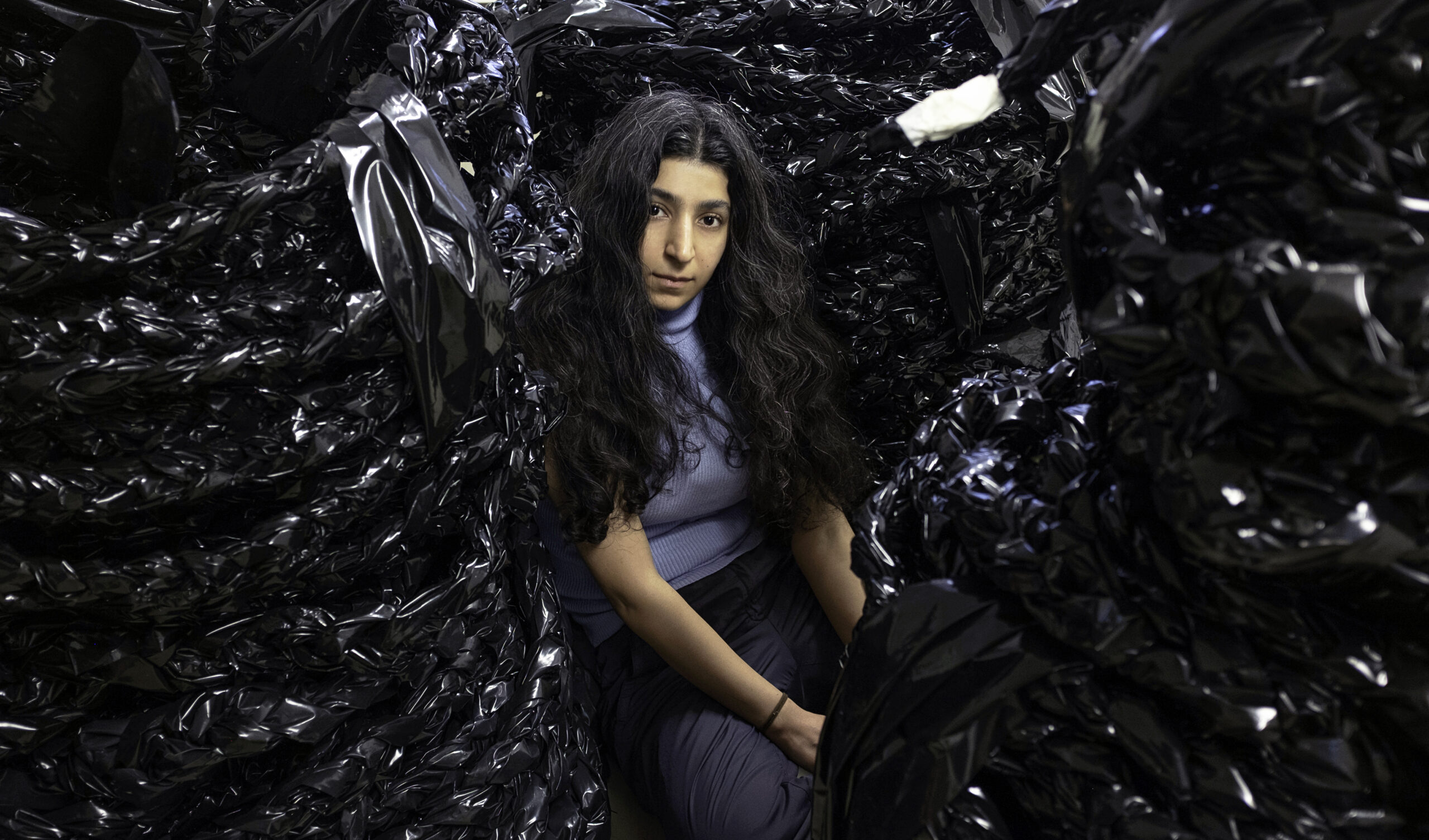
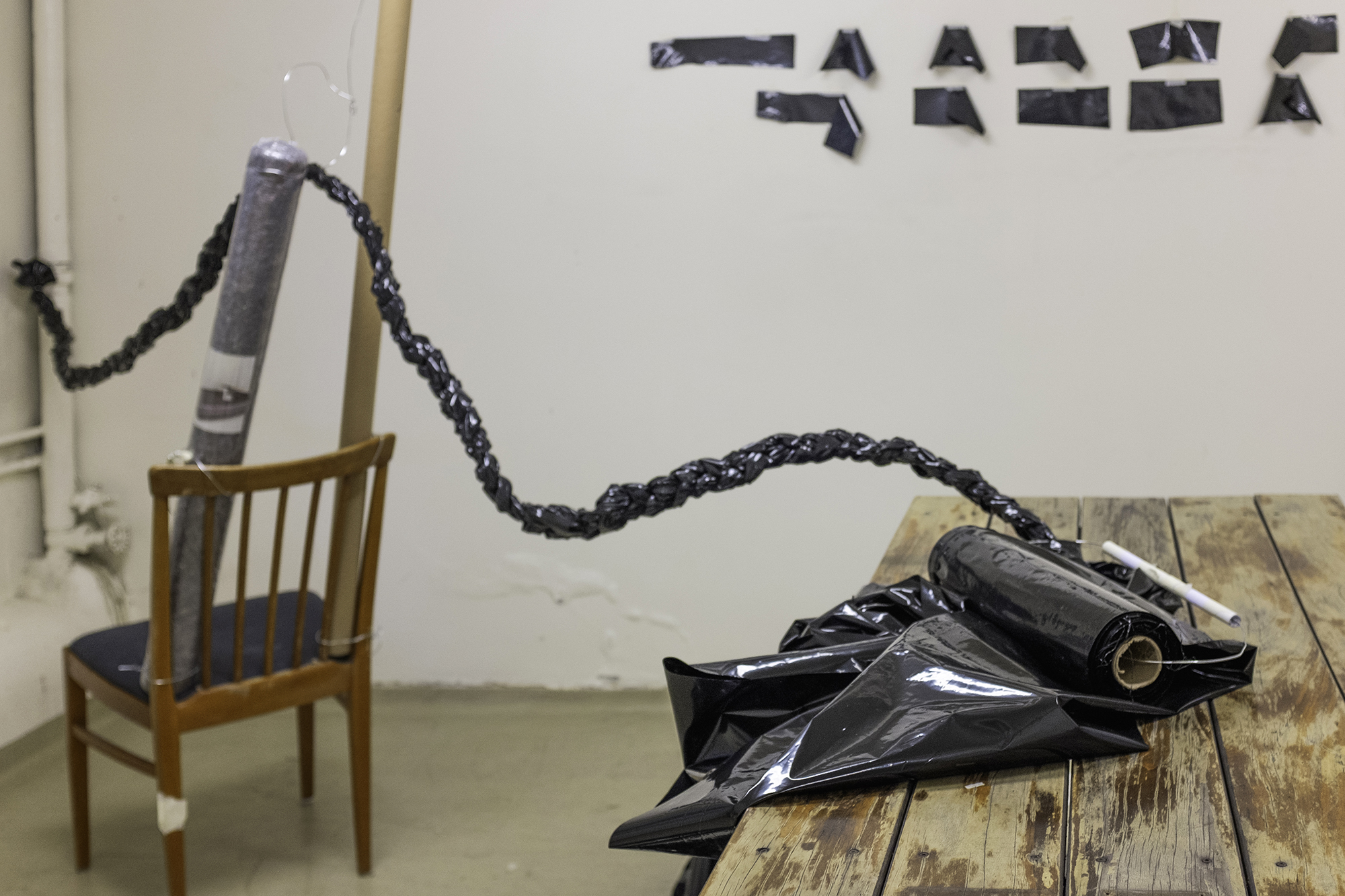
"Braids", black plastic sheets, metal wire, 2026 (Photo: Aliona Pazdniakova)

Artistic freedom means the ability to express lived experiences without fear. It is the right to question power structures, challenge gender norms, and speak openly about women’s realities.

For me, artistic freedom also means, that when I have an idea, I am able to realize it fully – without limitations or restrictions placed on my expression. It means having the space to produce work that may critically engage with cultural, traditional, religious, or political systems.

Freedom in art includes the right to question and critisise these systems, not out of rejection, but out of a hope for reflection, dialogue, and positive change. As for an artist, this space for honest expression is essential for me.

— Tara Abdullah

Tara Abdullah (b. 1996) is a Kurdish multidisciplinary artist from Sulaymaniyah in the Kurdistan Region of Iraq. Her practice spans painting, sculpture, performance, sound, and installation, often taking the form of site-specific and large-scale works.

Through her art, Tara explores the most vulnerable, suppressed, violated, and silenced aspects of her home region – women, nature, and artistic freedom. In searching for her own identity and voice – both denied and repressed until her encounter with art – she raises universal questions about power, belonging, and the relationship between the individual and society.

The First Supper – Art as the way out

Growing up in a conservative patriarchal environment profoundly shaped Tara’s artistic voice, as well as the motivations and recurring motifs in her work.

“Stop making the paper dirty!” her teachers repeatedly shouted whenever Tara was drawing at school.

“Don’t make the street dirty!” her parents would say when she drew on the ground as a child.

“You are dirty like a whore now,” Tara´s mother told her when she got her first period.

For Tara, the only way out of this darkness was through art. It was a painful path, she explained, but the only one that offered the possibility of liberation.

In her family, art was considered sinful and harmful to the mind. The only artistic input Tara was allowed was Disney cartoons on television. They inspired her by presenting an alternative world, and she became fascinated by their heroes and princesses. Together with other thoughts she used to write down her dreams and fantasies in a diary.

One day, when Tara was twelve, her father found the diary. He gathered the entire family in a room and read it aloud. As punishment, he beat Tara and shaved her head.

– My mother was holding my head, and my sisters were holding my legs, Tara recalls.

As a result of the assault, Tara was hospitalized. Her father told hospital staff that she had been attacked by a cat. After this traumatic experience, Tara noticed that much of her hair had turned white. Her sisters mocked her for it.

– In my family, I became the black sheep, a bad omen, blamed for all misfortunes, Tara explains.

Tara felt betrayed by her notebook and by writing itself, which had exposed her innermost thoughts. As a result, she began writing in mirror script so that no one could understand her words. The origins of her distinctive visual language in painting may lie in this experience as well.

Alongside Disney cartoons, religious stories were one of the few narratives available to Tara during her childhood. She was particularly drawn to stories about Jesus, a figure who also holds an important place in Islam. At the age of thirteen, however, Tara lost her faith in God after being harassed by a mullah. Yet her fascination with the figure of Jesus remained. Identifying with him, she began reimagining religious narratives through her own experiences.

When Tara first discovered art books, she hid them secretly under her bed. They were soon found and destroyed by her father. Despite these restrictions, she managed to deceive her parents and gain admission to an art college. Because her religious father considered drawing human faces a sin, he only allowed her to attend on the condition that she wear a niqab and remain fully covered. During her studies, this made her the target of bullying from both teachers and fellow students.

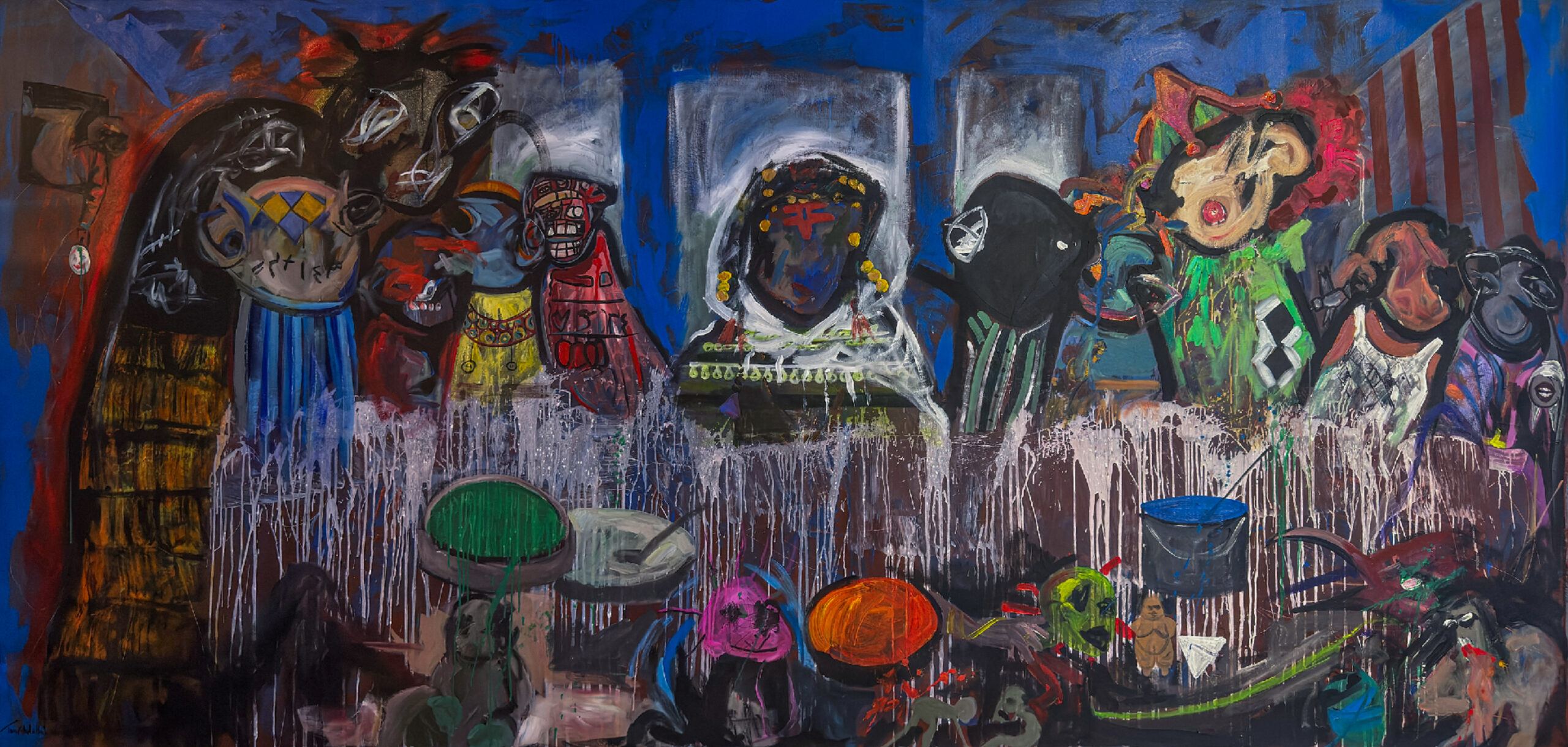
The first time Tara traveled abroad and visited museums, meeting in person the artworks she had previously only seen in books, the experience had a strong impact on her. Years later, she reflected on this moment in her painting The First Supper. Interweaving personal memory, imagination, emotion, and religious symbolism, the work transforms the biblical narrative into a metaphor for her first encounter with art – a moment of nourishment, revelation, and awakening.

– First is a start, a beginning, and something so huge that it never ends, Tara states.

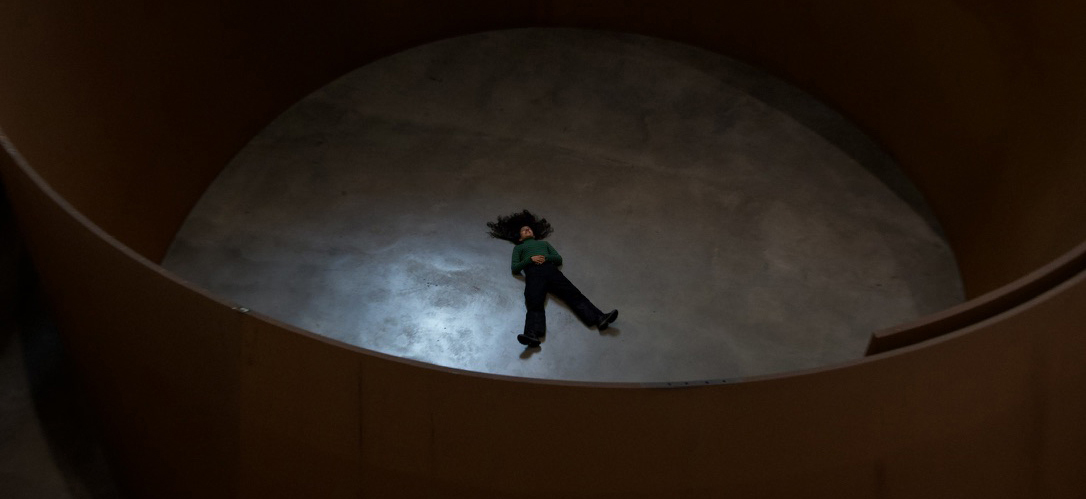
Tara inside Richard Sierra´s installation "Serpent", Guggenhiem Museum, Bilbao, Spain, 2025 (Photo: Bnwar Rzgar Abdulrahman)
"The First Supper", painting, acrylic on canvas, 400cm x 190cm, 2025 (Photo: Bnwar Rzgar Abdulrahman)

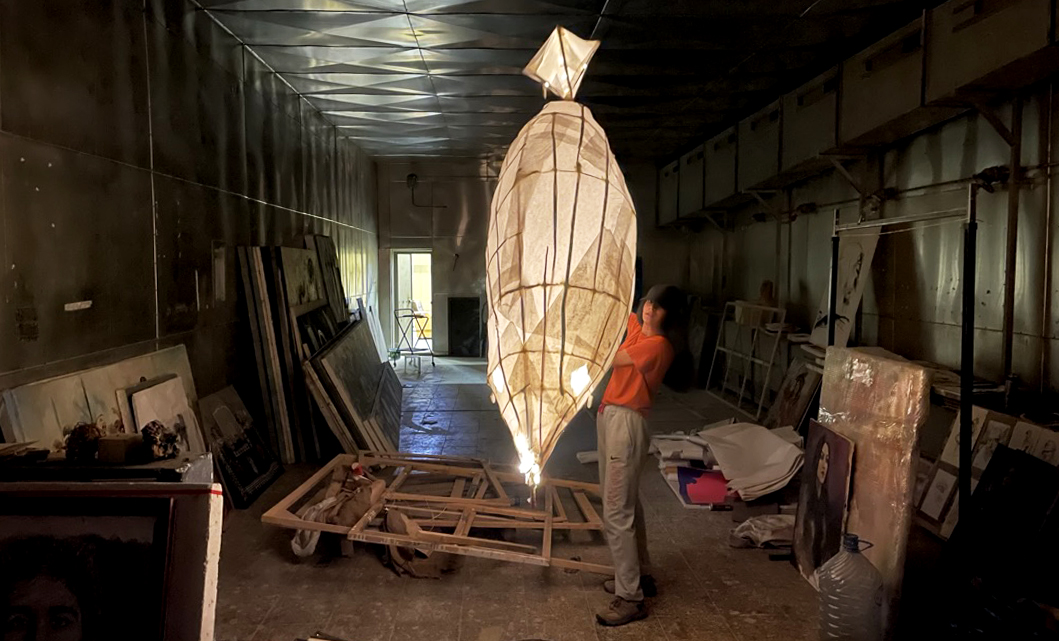
With the support of friends, mentors, and other supporters who believed in her artistic vision, Tara eventually obtained a studio in a former cigarette factory in her hometown, where she was able to fully devote herself to her artistic practice. This space marked a symbolic turning point in her life – her first independent artistic studio, a place of transformation, and a counterpoint to the restrictions of her childhood. For Tara, it became her first experience of artistic and personal freedom, and a point of no return to her former life.

– Tara is art, and art is Tara, she says to herself and to the world.

Tara in her studio at the former Cigarette Factory (Currently Culture Factory) in Sulaymaniyah, 2021 (Photo: Bnwar Rzgar Abdulrahman)

Reclaiming the voice – Amplifying the silenced

Tara’s work frequently addresses issues affecting women, including bodily autonomy, gender expectations, and the pressures imposed by social and religious structures. Through painting and large-scale public installations, she challenges restrictive narratives surrounding gender, identity, and personal freedom.

Tara’s art bridges the personal and the political by engaging with materials and symbols rooted in her local context. Whether working with repurposed clothing from women affected by violence or salvaged metal sheets from war-torn regions, she transforms everyday artifacts into powerful carriers of memory and testimony. Through these materials, Tara gives voice to marginalized experiences and creates poetic interventions in public space.

Projects such as Feminine (2020), a five-kilometer fabric installation representing the collective suffering of women, and Voice (2022), a city-wide sonic intervention, demonstrate her ongoing interest in memory, public confrontation, and healing through shared experience and cultural resonance.

These public works have provoked strong reactions in Tara’s home region.

– As a result, I have faced indirect blacklisting and professional restrictions. The Voice project was even taken to court on unfounded accusations, contributing to my eventual decision to leave Iraq, Tara explains.

Despite these pressures, she continues to work critically and openly, using art as a space for dialogue, visibility, and resistance.

Tara often works on a large scale and in site-specific contexts, beyond the confines of the white cube. She tells that this approach originated during her years in Iraq, where she sought to reach ordinary people outside the art world, a sphere in which she received little recognition or support.

– By bringing my work into public space, I want to dissolve the barriers between artists and audiences. I want to show that it is possible to find a way to speak out, Tara states.

At the core of many of Tara’s projects is the conviction that women’s private experiences of pain, shame, and oppression should not remain hidden. She argues that shame functions as a powerful mechanism of social control and that art has the capacity to expose and dismantle it.

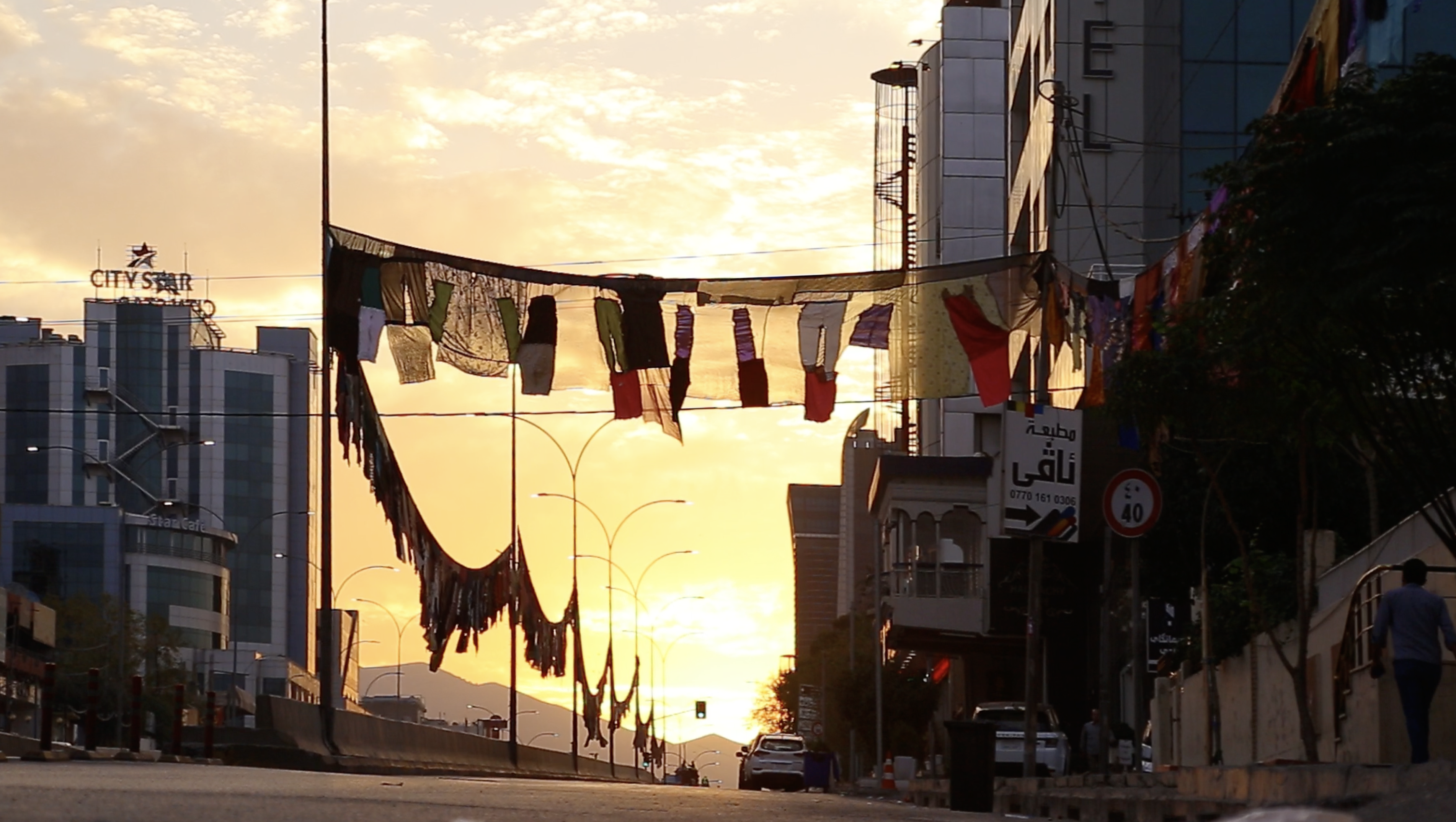
The concept behind Feminine emerged from the shame imposed on women’s bodies and even their clothing. Drawing on the common practice of hiding women’s garments beneath men’s clothes on household washing lines, Tara transformed this invisible gesture into a monumental public statement.

– I wanted to expose that hidden feeling of shame publicly,  she explains.

"Feminine", public textile Installation, Sulaymaniyah, Iraq, 2020 (Photo: CDO)

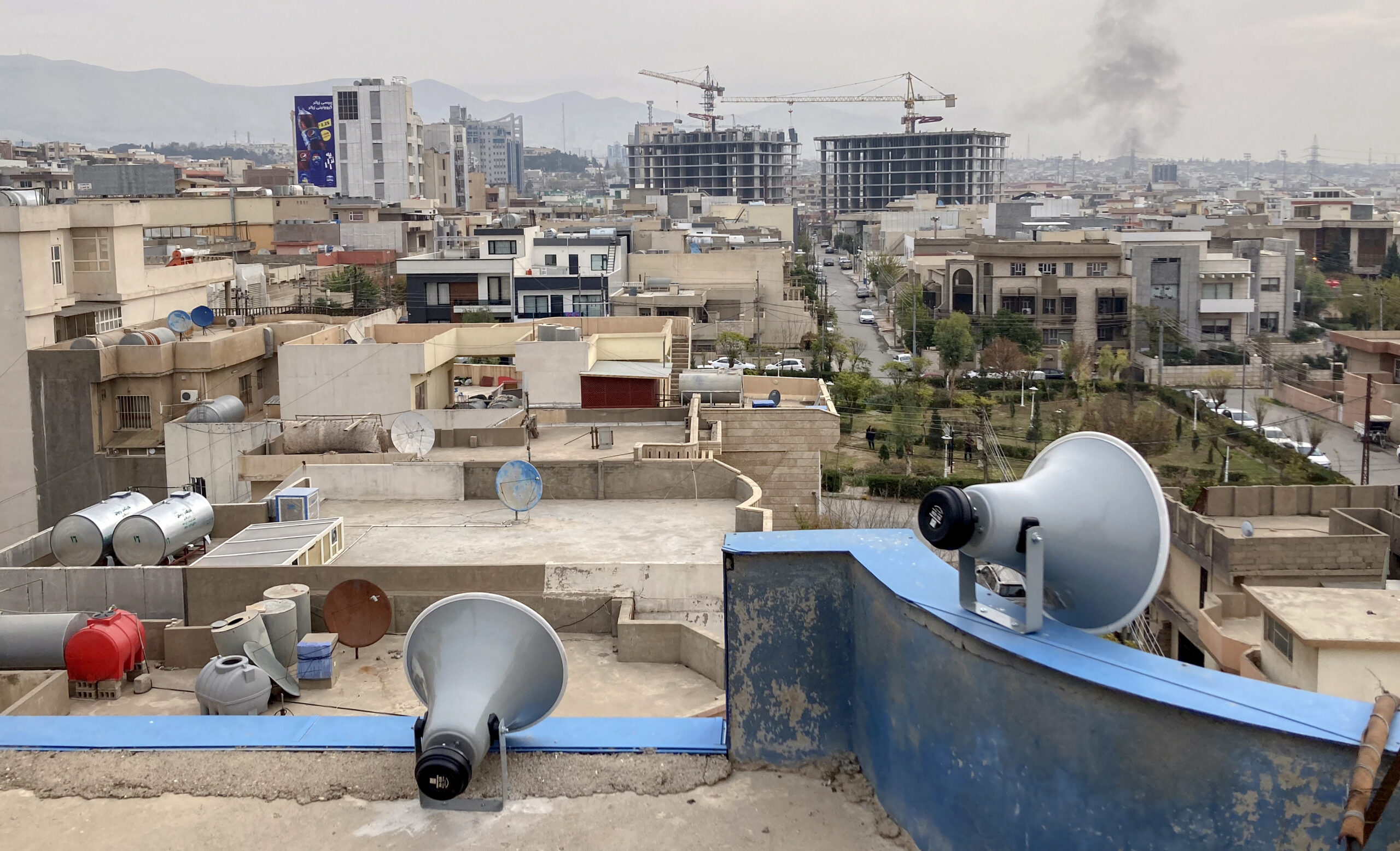
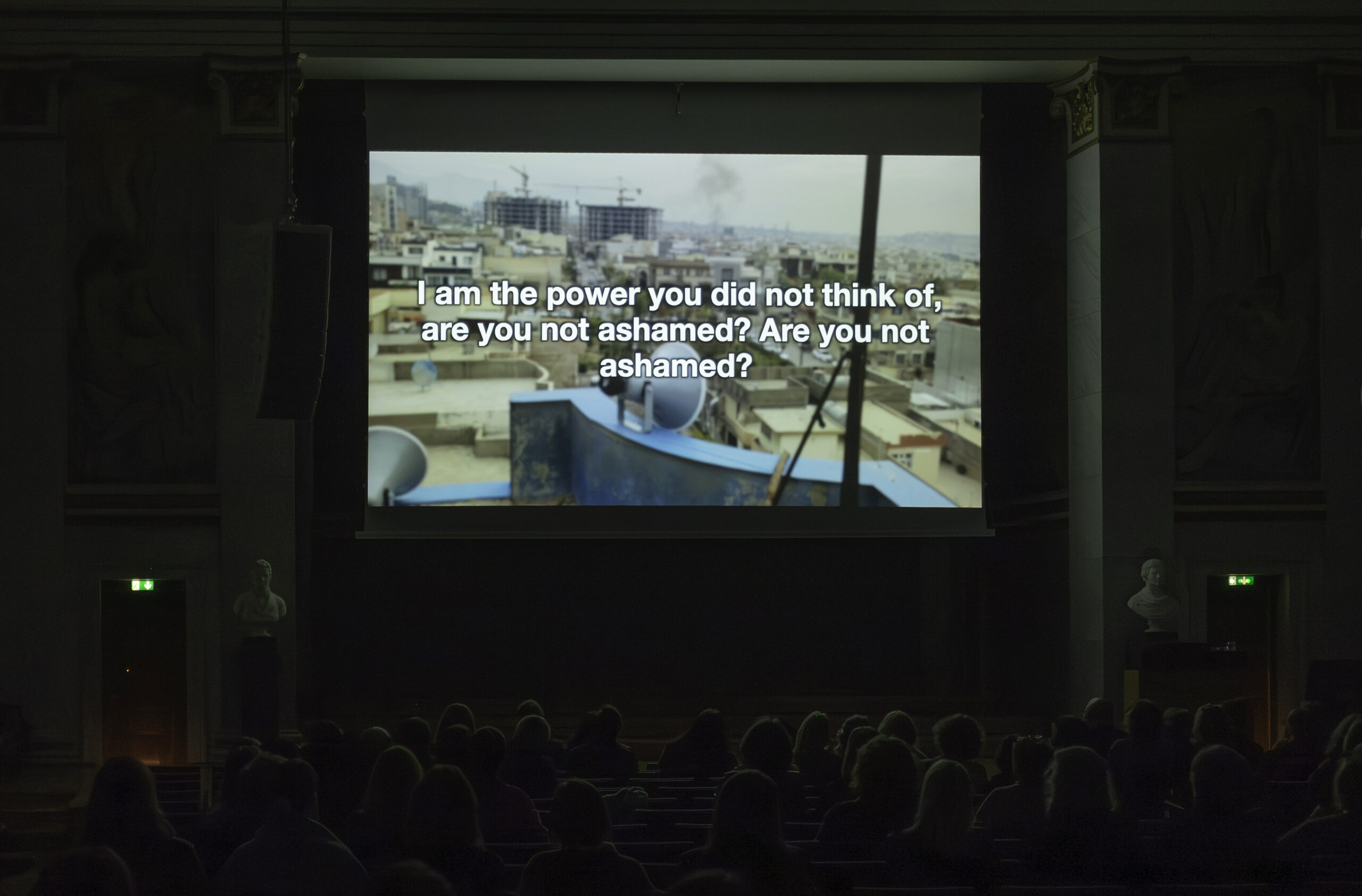
For Voice, Tara employed 66 loudspeakers and megaphones – media traditionally associated with mosques and religious preaching in her society. The act of a woman speaking publicly through such a medium was widely perceived as provocative and transgressive.

The recording concludes with the words: “This is the complaint message of Tara Abdullah.”

For Tara, publicly naming herself was an act of defiance and solidarity. By exposing her identity, she demonstrated that she was not afraid, encouraging other women to speak out and make their voices heard.

"Voice", Sonic Public Intervention, Sulaymaniyah, Halabja, Ranya, and Chamchamal, Iraq, 2022 (Photo: Tara Abdullah)

Speaking across the borders

While Tara’s public interventions have often been controversial in her home country, they have also gained significant international recognition and acclaim.

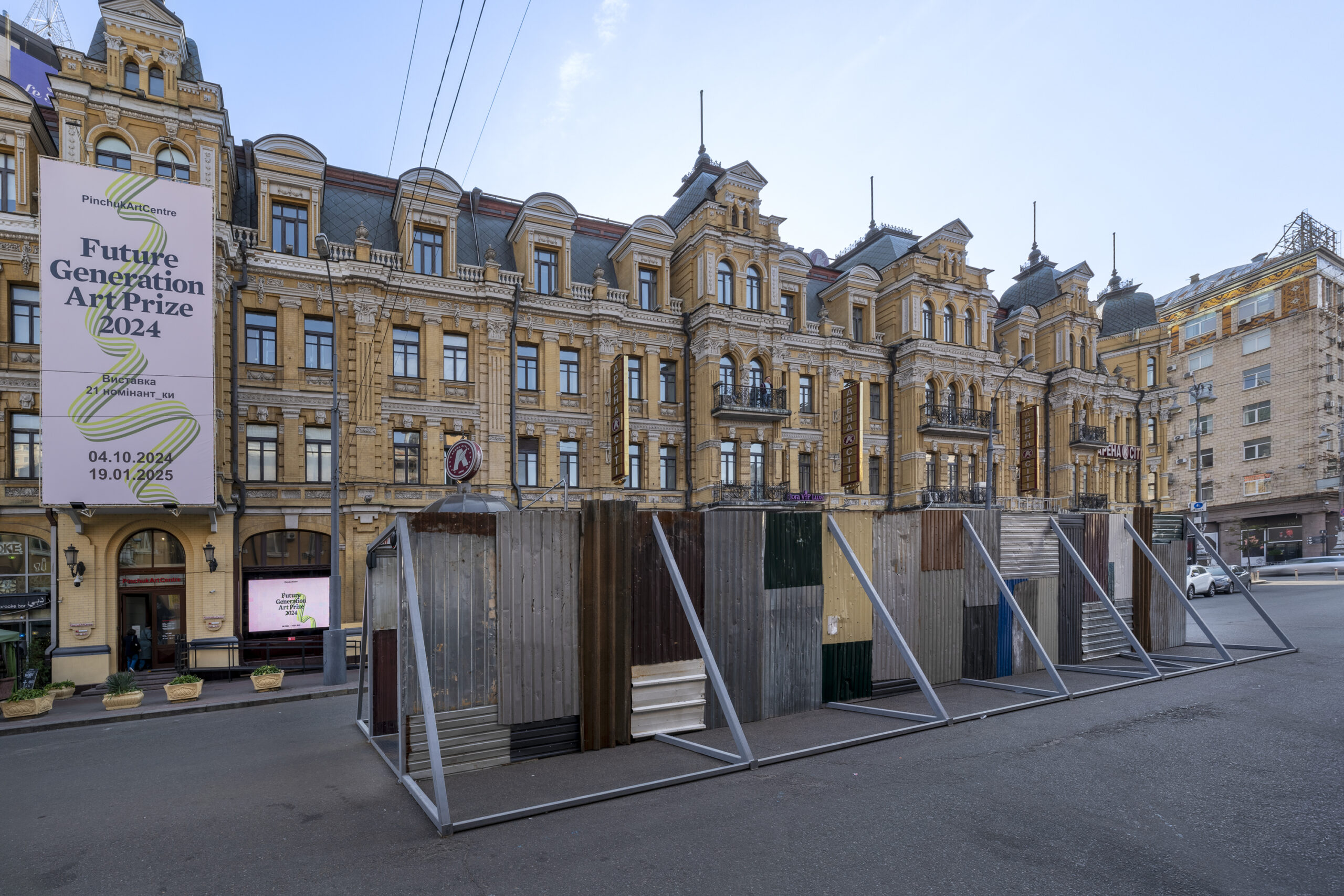
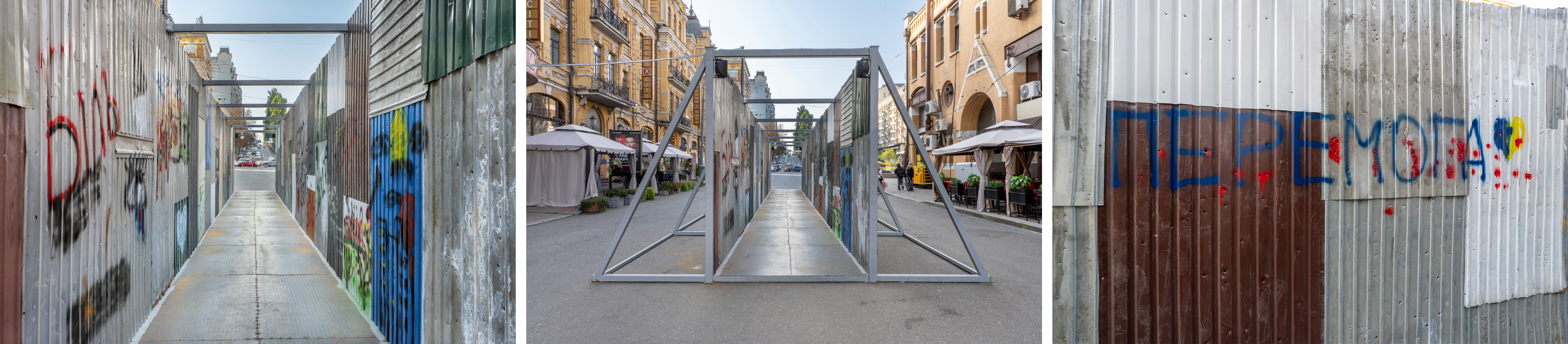
In 2024, Tara was nominated for the Future Generation Art Prize. For her project In Between, presented in Kyiv, Ukraine she received a Special Prize. The installation sought to connect collective trauma across borders by linking two major conflicts: the Russo-Ukrainian War and the Iran–Iraq War.

"In Between", Installation, Future Generation Art Prize, Kyiv, Ukraine, 2024 (Photo: Ela Bialkowska - OKNO studio)

In works such as Qazwan Rosary and her ongoing painting series Beyond Gender Mold, Tara extends these investigations by reflecting on the psychological and social construction of gender identity.

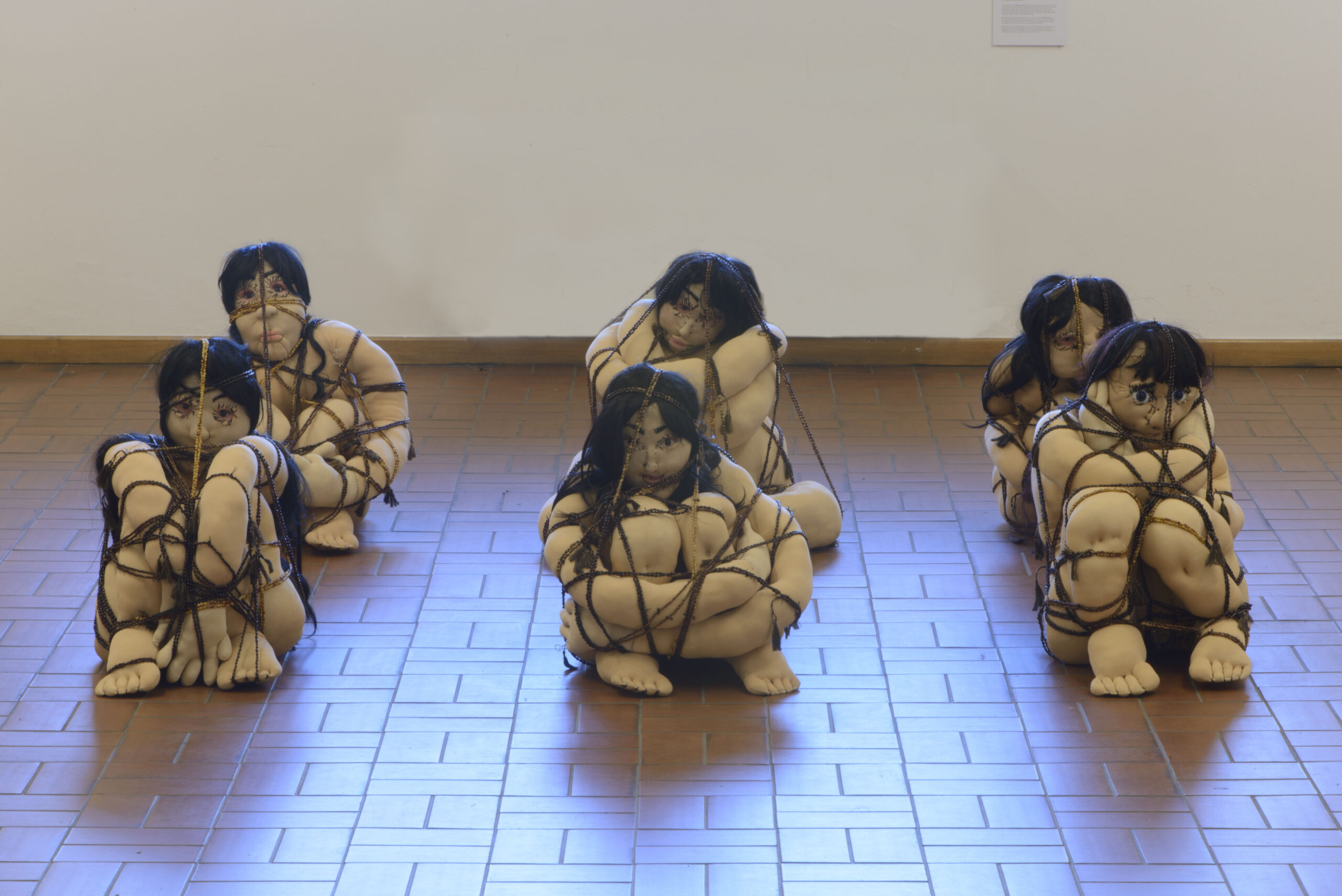
In Qazwan Rosary, she engages with the concept of haram (forbidden) within traditional and religious communities, combining it with the symbolism of the rosary as a representation of male domination and control in the Middle Eastern context. By reclaiming the rosary, the installation critiques gendered power structures and challenges societal taboos. It foregrounds themes of shame, vulnerability, and the policing of women’s bodies within patriarchal societies.

"Qazwan Rosary", life-sized sculptural installation, mixed media: wild pistachio beads, fabric, cotton, ceramic, and glass. Exhibited as part of Ego Sum group show at ZR Art Gallery, Palace of Fine Arts, Kraków, Poland, 2025 (Photo: Vladimir Milanov)

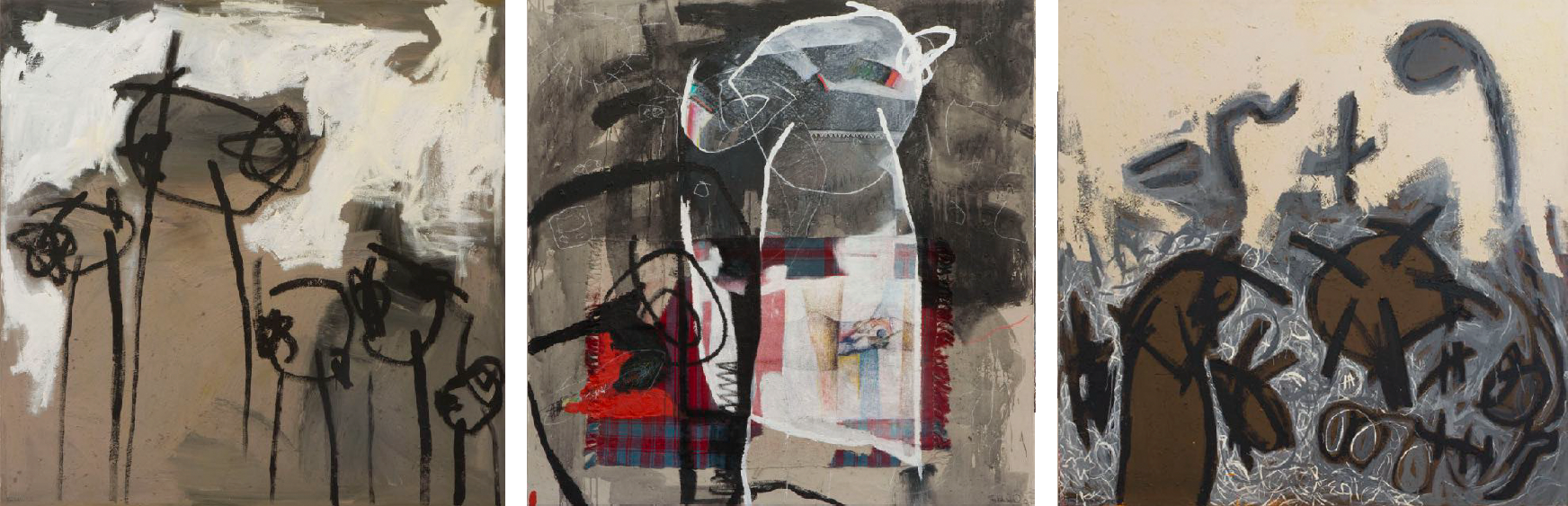
In the painting series Beyond Gender Mold, Tara employs symbolic imagery and layered narratives to question inherited norms and explore the fluidity of selfhood beyond prescribed social roles. Through recurring motifs, fragmented figures, and visual metaphors, she examines gender as a cultural construct transmitted through family structures and reinforced by social, religious, and cultural frameworks.

In many works, figures are arranged according to hierarchical scales – the father depicted as larger, the mother smaller, and the children smallest – reflecting the unconscious assignment of authority, role, and value within patriarchal systems. These disproportionate representations reveal how identity is shaped by predetermined expectations, often at the expense of individuality and personal agency.

By disrupting conventional representations of femininity, masculinity, and familial hierarchy, Tara exposes the invisible structures that regulate self-perception and social belonging. Her works directly challenge fixed notions of identity and open up space for resistance, transformation,  and self-definition beyond restrictive gender binaries.

"The Family", "Prayer Rug", "Plus" (from left to right), paintings from the series "Beyond Gender Mold" series, 180cm x 180cm, Acrylic, Mixed Media on Canvas, 2025 (Photo: Vladimir Milanov)

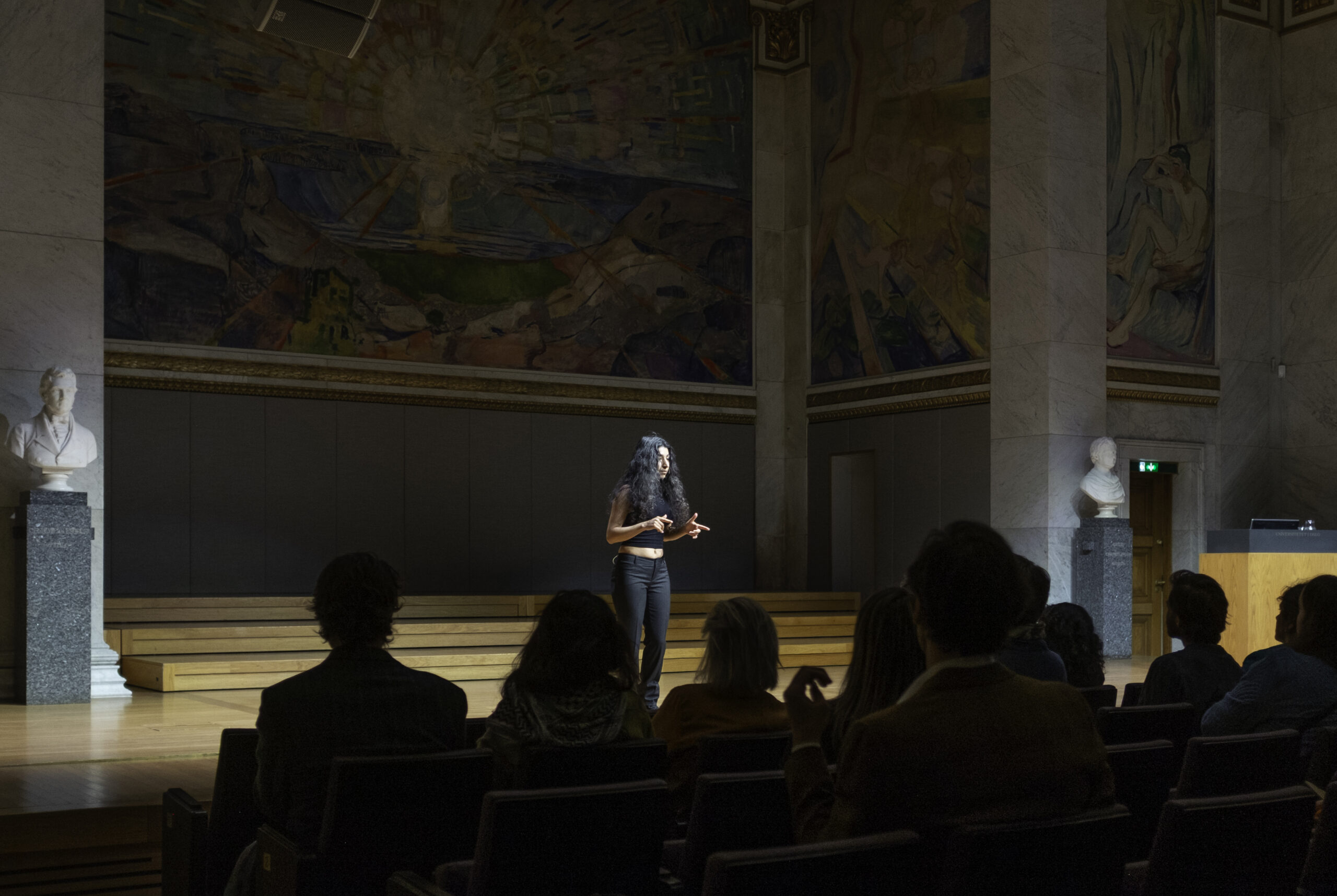
Since arriving in Oslo in February 2026, Tara has become actively involved in a number of artistic projects and collaborations. Her performance, I Want to Speak, resonated strongly with Norwegian audiences through its clear and powerful message: a woman claiming the space and time, using her most accessible instrument – her own voice – to assert that every woman deserves to be heard and has the power to make herself heard.

In March, the performance served as an artistic intervention during the panel discussion on art as resistance and defence at Riksscenen, where Tara also participated as a speaker. In April, I Want to Speak opened the conference Voices in Public Art, organized by Mesén in collaboration with The Finnish-Norwegian Cultural Institute, followed by a screening of the film from the Voice project.

"I Want to Speak", performance, "Voices in Public Art" conference, Oslo, Norway, 2026 (Photo: Aliona Pazdniakova)

Later in April Tara has opened her own atelier to the public during Oslo Open 2026, presenting a series of new paintings created during her residency alongside a large-scale work in progress. The installation will be shown at the Lyse Netter Art Festival in Moss in June, after which she will continue developing a new installation for Hvitsten Salong in Hvitsten, where it will be presented in August.

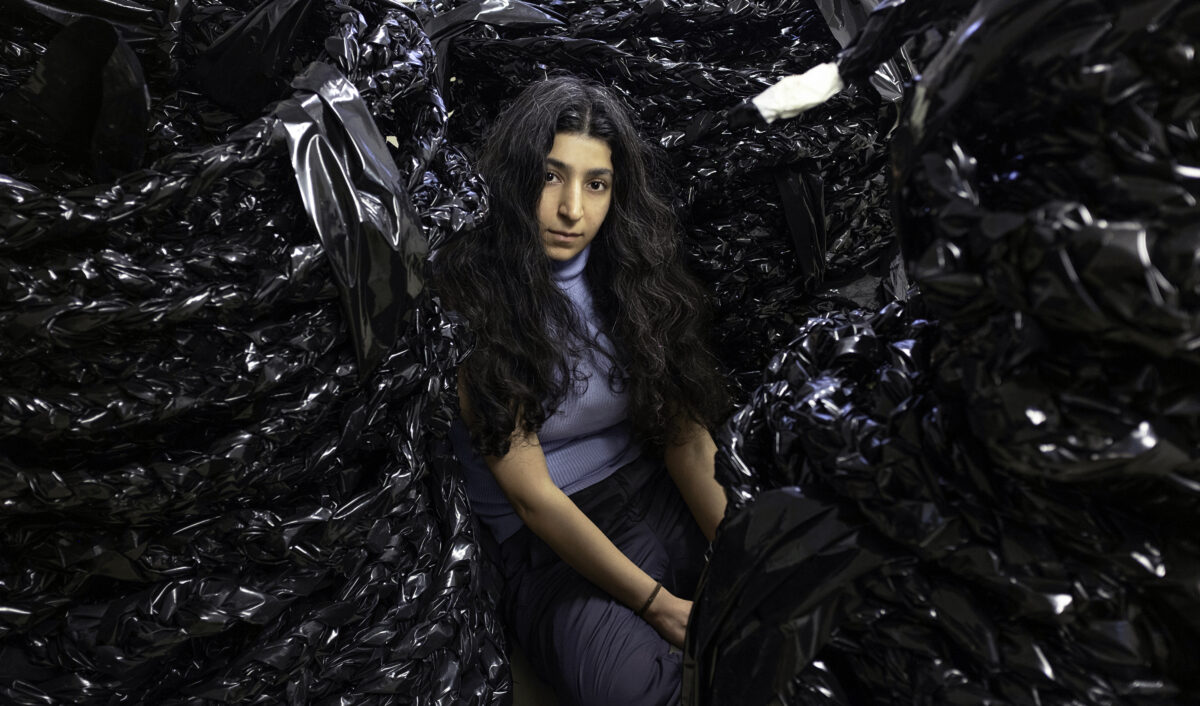
"Braids", work-in-progress, Tara´s atelier, Oslo Open 2026, Oslo, Norway, 2026, (Photo: Aliona Pazdniakova)

The new work in progress she is currently working on is constructed from hundreds of meters of braided black plastic bags – a material that simultaneously evokes fragility, resilience, and survival. The installation draws on a painful contemporary event.

– During attacks carried out by radical Islamist groups against Kurdish communities in Syria, the cutting of a Kurdish woman fighter’s hair became a symbolic act of domination, humiliation, and control, Tara clarifies.

By reconstructing braids from discarded plastic, she reclaims this violent gesture and transforms it into a symbol of resistance and endurance. What was intended as an act of erasure becomes, in her work, a monument to persistence, dignity, and collective memory.

Tara often says that the possibility of realizing a new project is what makes her truly happy. In Iraq, artistic initiatives are frequently hindered by political, social, and institutional obstacles. Even when opportunities arise, they are often uncertain and delayed. The ability to develop and produce work freely is therefore something she does not take for granted.

– I feel most at peace when I am working. Artistic creation provides a sense of purpose and direction. When the work stops, I am immediately confronted by dark memories, traumatic experiences, and anxieties about the future, Tara explains.

Art has become not only her profession, but also a way of processing the realities she has lived through.

The residency in Norway offers me a rare and valuable safe space. It allows me to deepen my artistic research, explore Nordic and European art contexts, and expand my professional network.

Most importantly, it gives me the freedom to develop and produce new projects that I may not be able to realize in my home region. I hope to create new works, experiment with scale and materials, and engage in meaningful dialogue with local institutions and audiences.

– Tara Abdullah

Tara Abdullah: The Girl from The Cigarette Factory

Through painting, performance, installation, and public interventions, Tara Abdullah gives visibility to silenced experiences. Transforming personal memories into collective encounters, her work explores themes of shame, displacement, resistance, and liberation.

erformance, installation, and public interventions, Tara Abdullah gives visibility to silenced experiences. Transforming personal memories into collective encounters, her work explores themes of shame, displacement, resistance, and liberation.

erformance, installation, and public interventions, Tara Abdullah gives visibility to silenced experiences. Transforming personal memories into collective encounters, her work explores themes of shame, displacement, resistance, and liberation....

© Safemuse Organisation - Oslo/Norway

Categories
News Safe Residencies

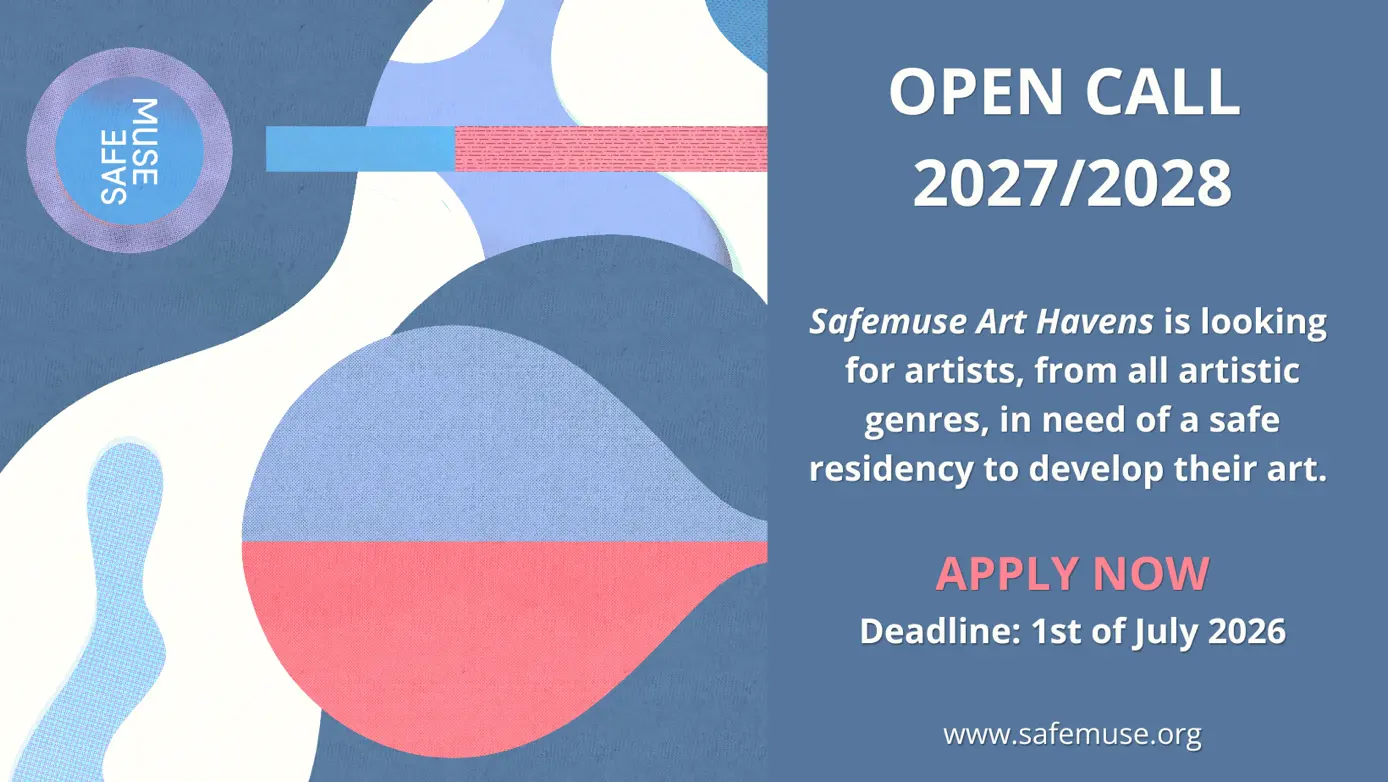
Open call for artists in need of a safe residency to develop their art

Open call for artists in need of a safe residency to develop their art

June 1, 2026

Oslo Art Haven & Hvitsten Art Haven programmes 2027/2028

In an increasingly polarised world, with tension between nations, cultures, political parties and cultural norms, a growing number of artists are encountering obstacles in the execution of their work. Artists are in many cases regarded as activists, even when they themselves do not identify with, or promote a political view or a political movement. This is especially true for female artists, artists that are queer, come from minority or indigenous groups or artists that work in genres not deemed acceptable by society or by their government. Safemuse is an NGO based in Norway that hosts safe residencies for artists, and promote artistic freedom of expression, artistic solidarity and collaboration.

The residencies

Safemuse offers safe residencies for artists that are being censored, are living under threat, or that for various reasons cannot work freely in their place of living. The residencies are usually for six months, and are run in collaboration with our local partners, and with financial support from local, regional and national institutions. We currently have two residencies in Norway: Oslo Art Haven and Hvitsten Art Haven.

Our residency programmes focus on artistic development and cooperation, and are open for artists within all artistic disciplines. The aim is to provide the artists with a possibility to get out of difficult situations, censorship or persecution, and to facilitate safe and professional environments in which the artists can concentrate on their creative processes, develop their artistry, collaborate with artists based in Norway or neighbouring regions, as well as build their own networks for professional exchange and support.

We will organise a team – consisting of a residency coordinator, a mentor, as well as advisors from Safemuse – that will coordinate and facilitate the residency and projects. Prior to arrival, we will create a plan for the content and goals for the residency together with the individual artist. We will prepare for collaborations with the selected artist and relevant institutions in Norway and explore the opportunities to present the artist’s work. The artist is not required to produce or mediate art during their stay, and the residency also offers the possibility of rest and recuperation. If the artist wishes to participate in our outreach programmes, which centres around art and society, this will be facilitated in close dialogue with the artist, but participation is not an obligation.

Safemuse will work closely with the artist when it comes to how much exposure the artist wants, and can have, during the stay, and do a risk assessment together with the artist.

Hvitsten Art Haven

Hvitsten Art Haven was established in 2022 together with the art festival- and institution Hvitsten Salong. Hvitsten is a small coastal town just 45 minutes outside Oslo and is idyllically located along the fjord. It is the home of several local artists, and the international artists who stay here are welcomed into a close-knit community. The programme facilitates all artistic genres on site or nearby. The residency is funded by the County Municipality and Arts and Culture Norway.

Hvitsten is a small community with approximately 300 inhabitants. The residency is situated beautifully and quite isolated by the sea, with 6 kilometers to the nearest store. In Hvitsten our artists live closer to a network and the coordinator of the programme. The residency will also host several small workshops and happenings during the year. The art festival Hvitsten Salong is also held on the property.

Oslo Art Haven

Oslo Art Haven was established in 2021 and has since hosted a handful of talented artists from various countries. The Norwegian capital has a thriving cultural scene and a broad artistic community working in all art disciplines and genres. The residency is funded by the Municipality of Oslo and is organised in collaboration with Nordic Black Theatre.

Safemuse has its office in the center of Oslo. The residence artists in Oslo live in apartments in the city centre or a short metro-ride away from the center. The artists based in Oslo live on their own, but our team is close by.

Practical information

The programme covers all costs connected to the artist’s travel and stay in Norway, including insurance, accommodation and living expenses. Safemuse provides assistance with the visa-application-process, but the artist is responsible for preparing all the required documentation.

NB: Be aware that the visa and permit application process to Norway may take up to eight months. The visa application should therefore be prepared and submitted as soon as possible after accepting the invitation to avoid delays. Due to the often-lengthy visa-prossessing time, the residency programme will most likely start towards the end of 2027 or in 2028. The programme does not open for an extension of stay.

The selection process will be carried out by a committee consisting of artists, representatives from art and cultural institutions, human rights advisors, and the Safemuse team.

The application process will be strictly confidential.

All applications must be submitted through our online application form (link below).

The application must include:

  • Documentation of your work
  • A thorough description of your situationregarding censorship, threats, or persecution as a consequence of your artistic practice 

Time schedule:

  • Application deadline: Wednesday July 1st 2026
  • Selection of artists: October 2026
  • Interviews: October/November 2026
  • The final decision will be made by mid-December, all applicants will receive an answer by December 18th
  • Programme duration: Approx. 6 months, artists arrive between late 2027-2028 (due to the lengthy visa-process)

About Safemuse

Originating in artist-organisations: Safemuse was born as an initiative from several artist-organisations’ wish to protect artistic freedom of expression, and artists’ role in society, an international solidarity initiative working to support safe spaces where artists could create and develop, no matter which country they resided in. The answer became to create safe residencies for artists at risk, where they could develop their art.

Safe spaces: Safemuse creates safe spaces. We promote a diversity of voices and work to ensure that artists from minority groups are seen and heard.

Focus on the artist and the art: Safemuse gives artists the centre stage. We work to give artists room to create, and we contribute to artistic development, building networks and publishing/presenting.

Artistic cooperation: Safemuse cooperates with organisations that work for artists, artistic freedom and human rights. To promote this, we create networks nationally and internationally. 

Artistic development: Safemuse supports artistic development. Through a large network, and knowledge of how to work as an artist we organise and coordinate so that the artists in residencies can work and focus on their art.

Artistic freedom: Safemuse works to highlight the importance of artistic freedom of expression through political engagement and cooperation with organisations at home and abroad. We work to put artistic freedom of expression on the agenda, and to make this a focus within artistic- and cultural organisations.

About our partners

Nordic Black Theatre

Nordic Black Theatre is our partner in the Oslo Art Haven programme. Nordic Black Theatre is a self-run theatre foundation established in 1992. The core activity is theatre production, but they also work with a wide range of partners in Norway and abroad. From humble and challenging beginnings Nordic Black Theatre has grown into a well-respected theatre institution that receives funding from the Norwegian Ministry of Culture and Oslo City Council. They also run the theatre school Nordic Black Xpress (NBX) through which they work with developing young transcultural actors.

Hvitsten Salong

Hvitsten Salong is our partner in the Hvitsten Art Haven programme. Hvitsten Salong is an artist-driven project that seeks a site specific- and historical approach. Hvitsten has been a place where several of Norway’s most important artists have lived and worked at the end of the 19th century and the beginning of the 20th century. Painters and illustrators as Edvard Munch, Theodor Kittelsen, Christian Krogh, Oda Krogh, Oscar Wergeland and Hans Jæger lived and, or worked here throughout their careers. Hvitsten Salong organizes an annual art festival, in addition to several smaller events and creating a platform for professional dialogue with contemporary artists. Their vision is to give artists an opportunity to put themselves in the periphery of Norwegian art history and to compliment the national and international art scene with an exciting, progressive and innovative environment in Hvitsten.
Tara Abdullah: The Girl from The Cigarette Factory

Through painting, performance, installation, and public interventions, Tara Abdullah gives visibility to silenced experiences. Transforming personal memories into collective encounters, her work explores themes of shame, displacement, resistance, and liberation.

erformance, installation, and public interventions, Tara Abdullah gives visibility to silenced experiences. Transforming personal memories into collective encounters, her work explores themes of shame, displacement, resistance, and liberation.

erformance, installation, and public interventions, Tara Abdullah gives visibility to silenced experiences. Transforming personal memories into collective encounters, her work explores themes of shame, displacement, resistance, and liberation....

© Safemuse Organisation - Oslo/Norway