Categories
News Project Safe Havens Safe Residencies

Xuan Trang Nguyen Thi: From Freedom Of Acceptance Towards The End Of War

Xuan Trang Nguyen Thi: From Freedom Of Acceptance Towards The End Of War

September 3, 2026

Written by Aliona Pazdniakova

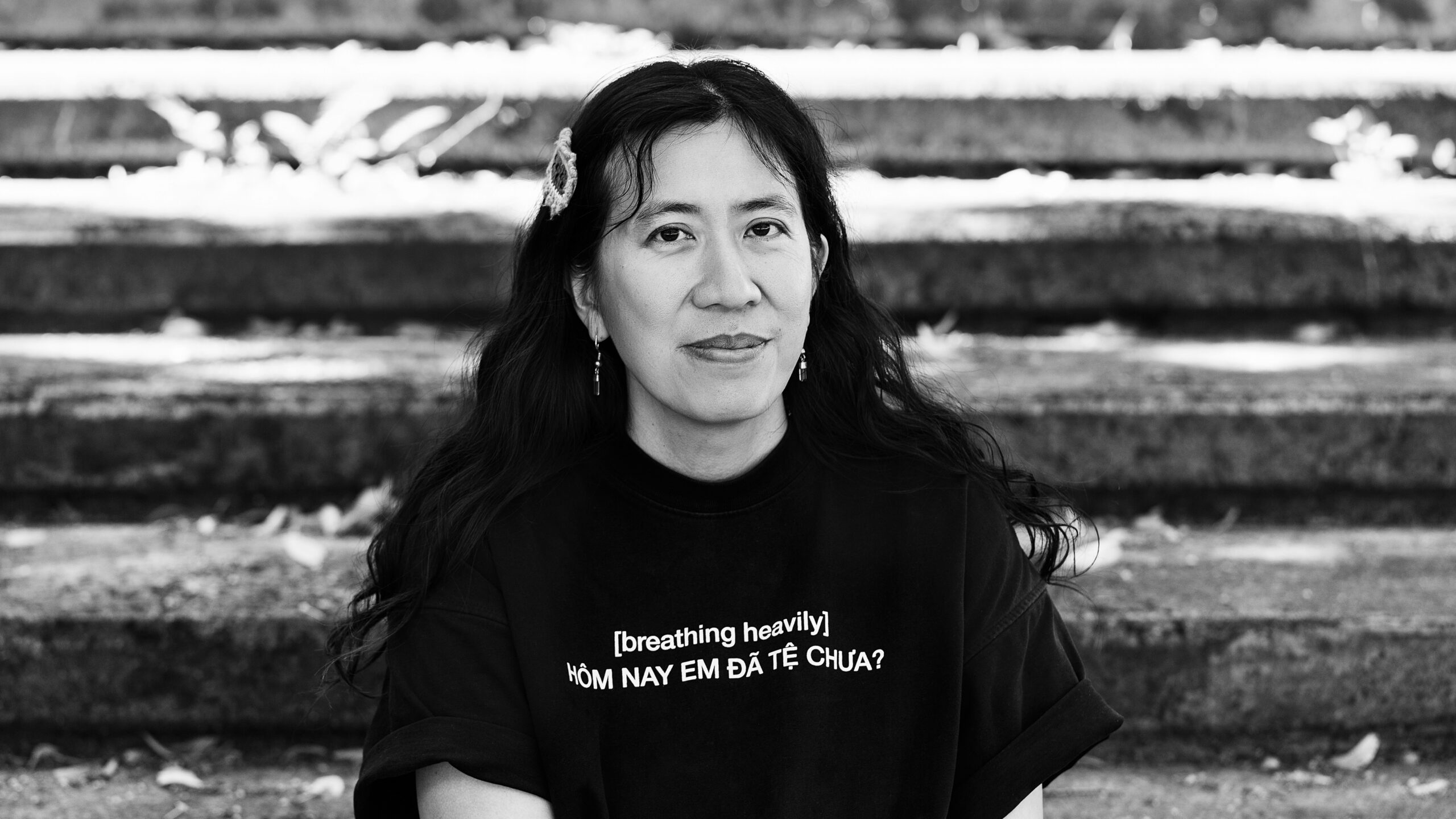
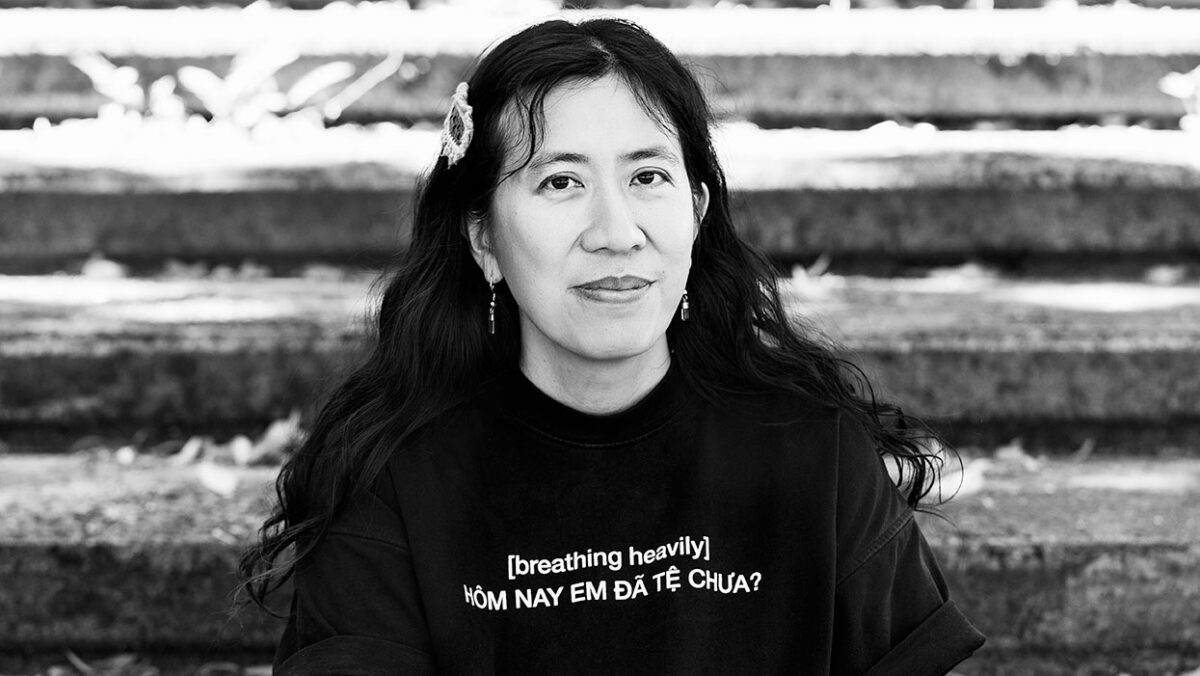
Xuan Trang Nguyen Thi, Photo: Aliona Pazdniakova

For me, everything in this life ultimately traces back to the concept of acceptance – and artistic freedom is no different.

As an artist, within my creative spaces and through the works I create, what I desire most for myself and my peers is the freedom to be accepted, just as we commit to accepting each other’s art. Above all, I want people to accept one another, and to embrace artistic expression with the same grace and effort we bring to accepting the diverse, distinct essences of human beings.

— Xuan Trang Nguyen Thi

Xuan Trang Nguyen Thi is a filmmaker and a producer from Vietnam. She has nearly 20 years of experience in international cinema. Known for her commitment to independent storytelling and Southeast Asian collaborations, she has produced award-winning films including the 2024 Cannes contender Viet and Nam and the 2025 Locarno Golden Leopard winner Hair, Paper, Water…. In 2022, she made her directorial debut with the short film After Taste.

Trang arrived at Hvitsten Art Haven in April 2026. During her residency, she has been developing her first feature-length documentary, Land of Evanescence, a deeply personal exploration of identity, memory, and the experience of growing up within a changing society and a demanding national education system. The project was presented at Cannes Docs – Work in Progress in 2026 and has also been screened in Oslo and Hvitsten, where Norwegian film professionals were invited to engage with the work and contribute feedback to its final development.

Background

Trang’s career spans nearly two decades of dedication to the moving image. After graduating from university in 2007, she began working across television, advertising, promotional content, and short films. Her trajectory shifted towards independent cinema in 2014, when she participated in the Kyoto Filmmaker Lab at the Kyoto Museum in Japan. Since then, she has focused on producing independent shorts, documentaries, and feature films, eventually founding her own production company, Lagi Limited.

Her practice has developed through an international filmmaking community that she has actively cultivated through festivals, laboratories, workshops, and industry platforms. She is an alumna of the Bucheon Fantastic Film School in South Korea and has participated in numerous international co-productions. In 2021, she attended the Open Doors Lab at the Locarno Film Festival, where she received the first prize of the FAI Producer Grant.

At the centre of Trang’s artistic practice is a persistent investigation of identity, homeland, humanity, and history.

– I am deeply compelled by the interplay between the past and the present, constantly revisiting and turning these themes over from different angles through the diverse and evolving language of cinema. To express these complexities, I explore the integration of varied artistic forms – such as blending cinema, theater, and traditional performance arts like water puppetry – while frequently utilizing archival film sequences and non-traditional narrative structures within documentary frameworks, Trang explains.

Beginning with the “After”

Although Trang’s foundation is rooted in production, her artistic path underwent a significant transformation when she stepped into directing. Her short film After Taste marked this transition, exploring memory, violence, and sensory storytelling through an unsettling mixture of black humour and cinematic self-reflection. The film has celebrated its World Premiere at the 2022 Fantasia Film Festival before screening at the Viet Film Fest and the Bangkok ASEAN Film Festival.

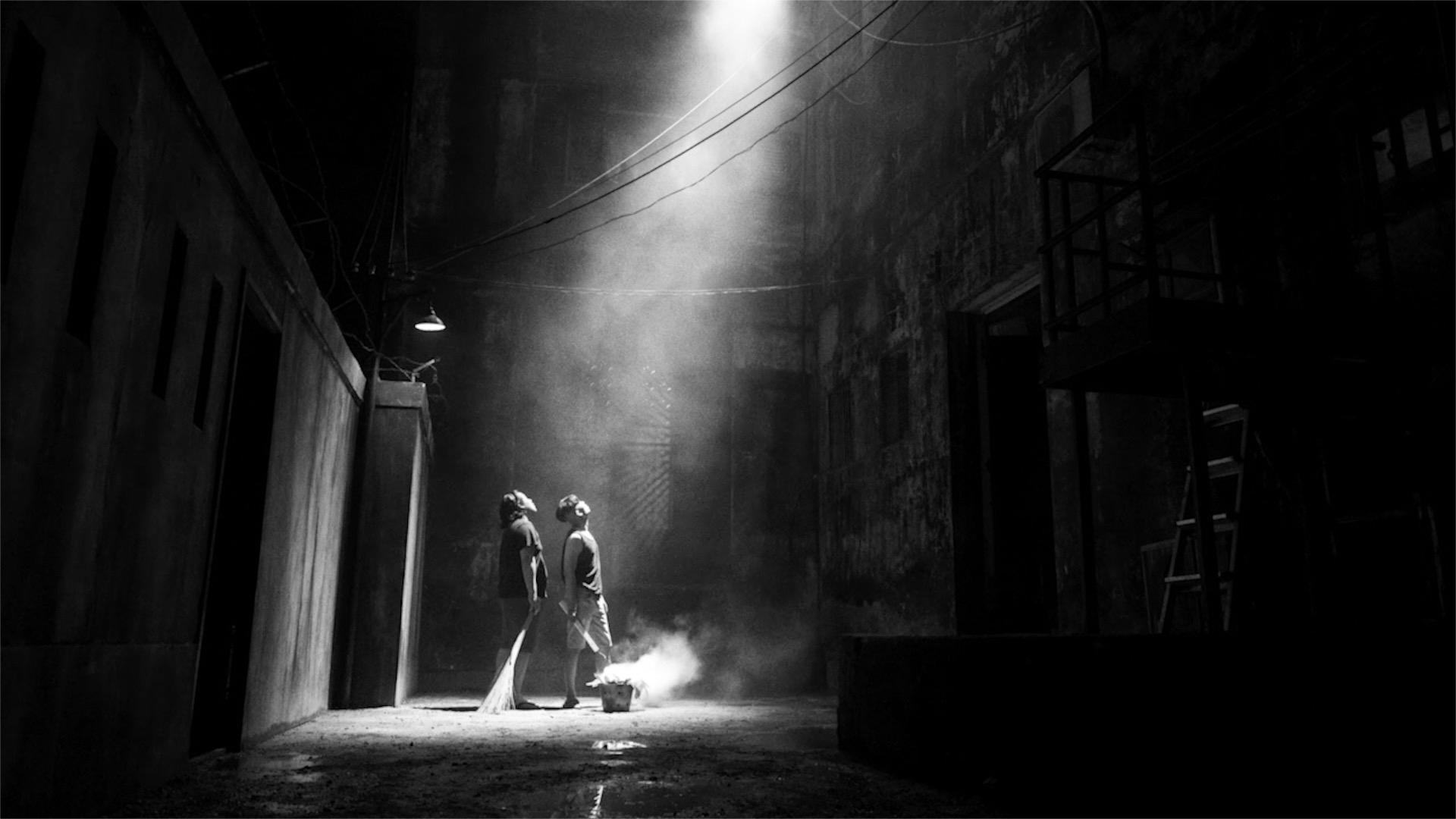
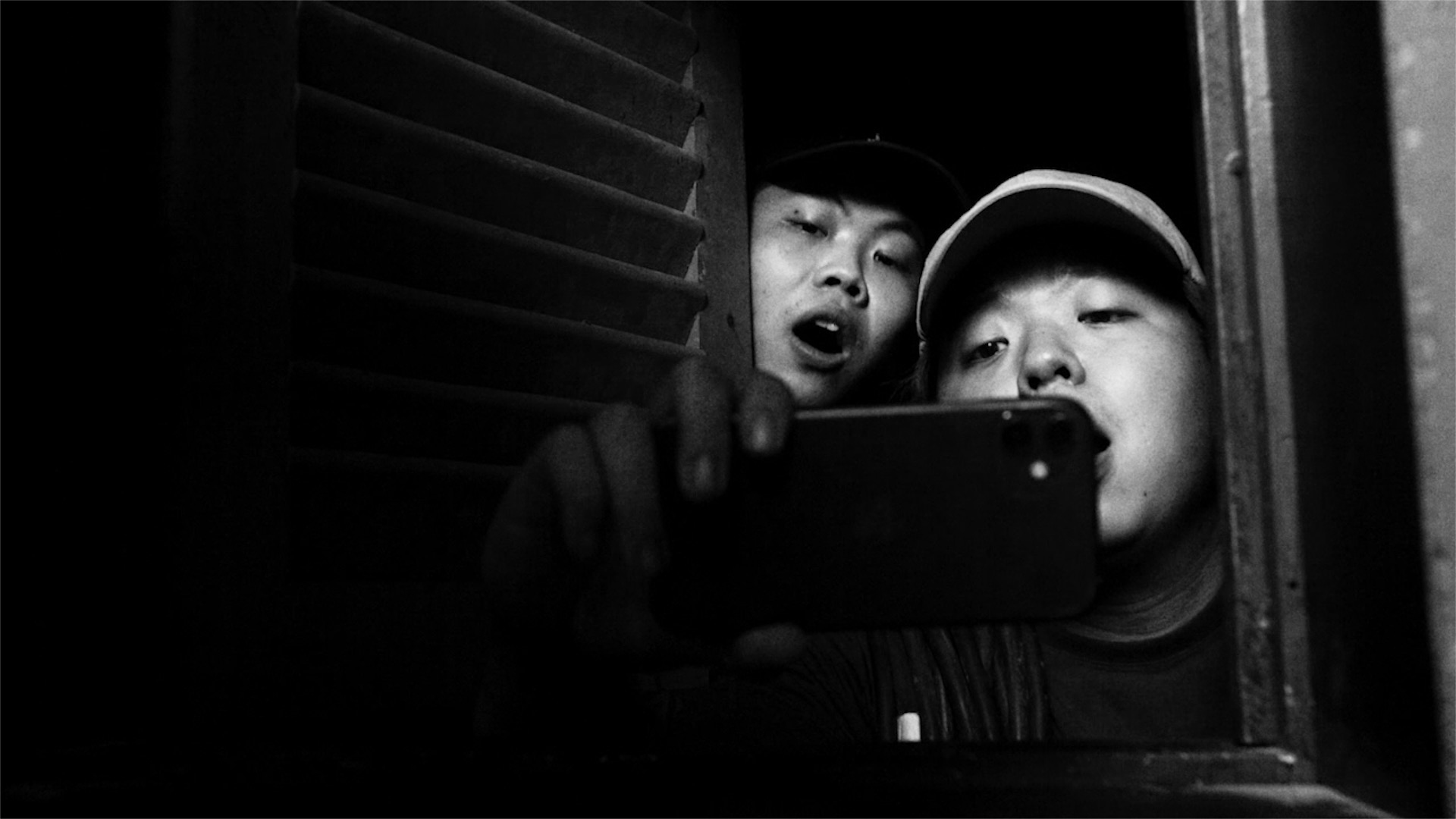
Stills from “After Taste” by Xuan Trang Nguyen Thi, 2022, 20 min. World Premiere at Fantasia Film Festival 2022, Official Selection at Viet Film Festival 2022, Official Selection at BAFF 2023, Momo distribution grant 2023.

After years spent working behind the scenes as a producer, Trang uses her directorial debut to turn the camera back upon the language and ethics of cinema itself. In a post self-ironic manner, After Taste reflects on the manipulative power of art and the ways in which artistic production can become entangled with the pain of others. Resembling a nightmare, the film moves beyond straightforward judgment and cynical distance, using black humour as a passage towards emotional honesty. At the same time, its absurdity exposes the contradictions of film production and the strange compromises made in the name of art.

It is difficult, however, not to extend this critique beyond the cinematic world. The film resonates with a contemporary reality in which, confronted with horrific accidents, people may instinctively take out their phones and start filming rather than intervene and help. After Taste thus becomes not only a reflection on filmmaking, but on our increasingly mediated relationship to reality itself.

Work in Progress

This pivotal experience confirmed Trang´s desire to direct, leading her to her current focus: her first feature documentary, Land of Evanescence.

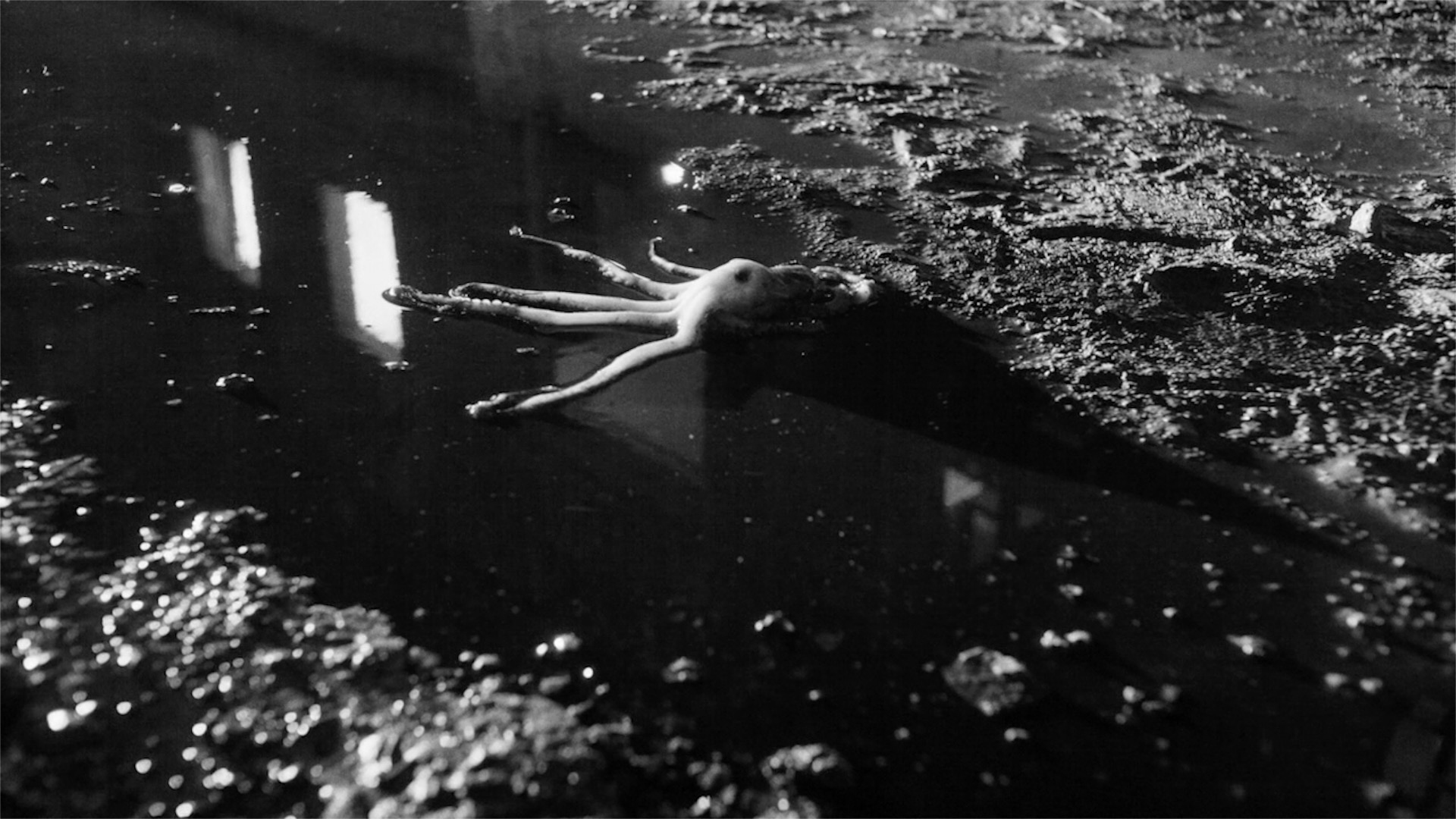
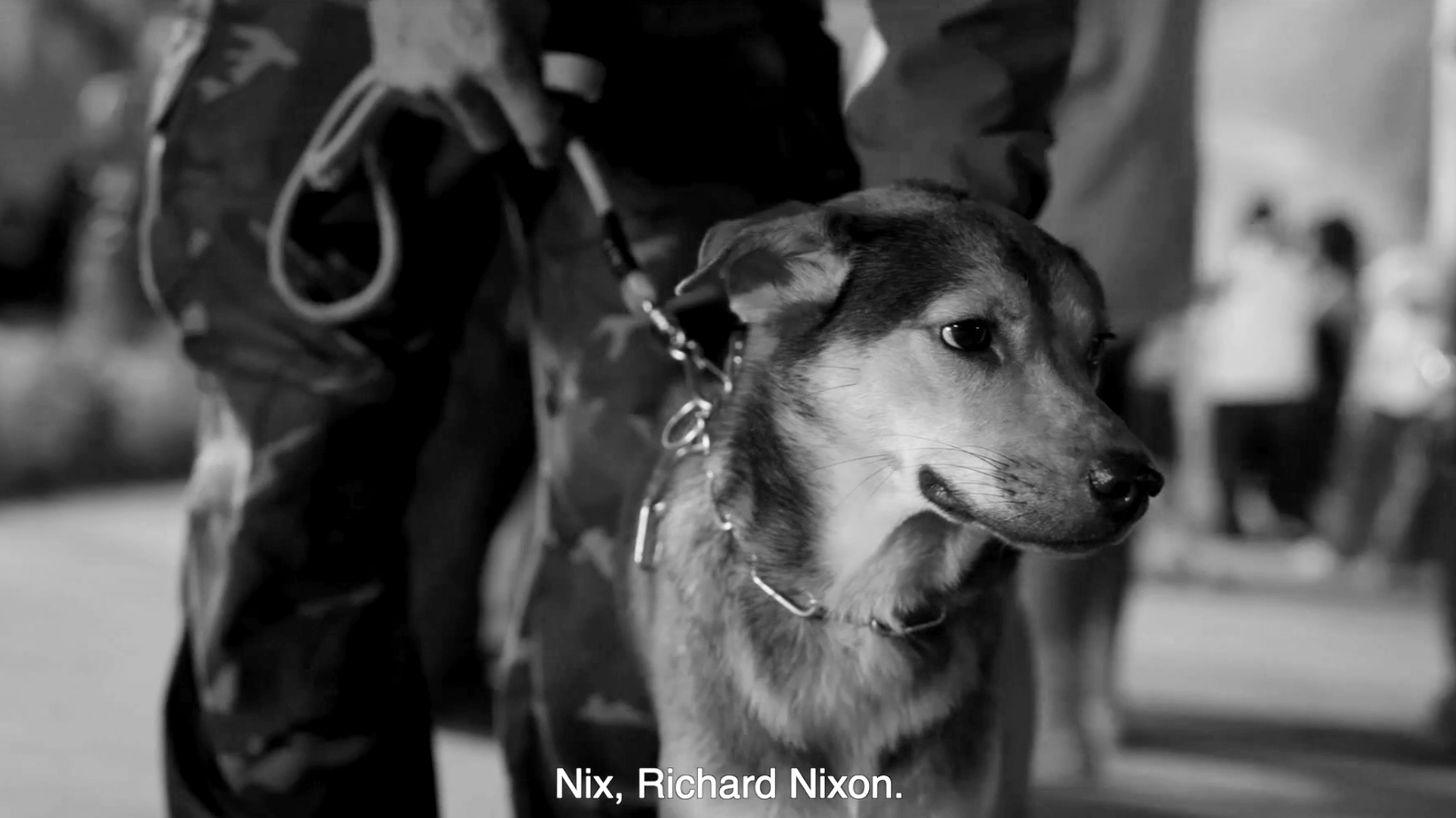
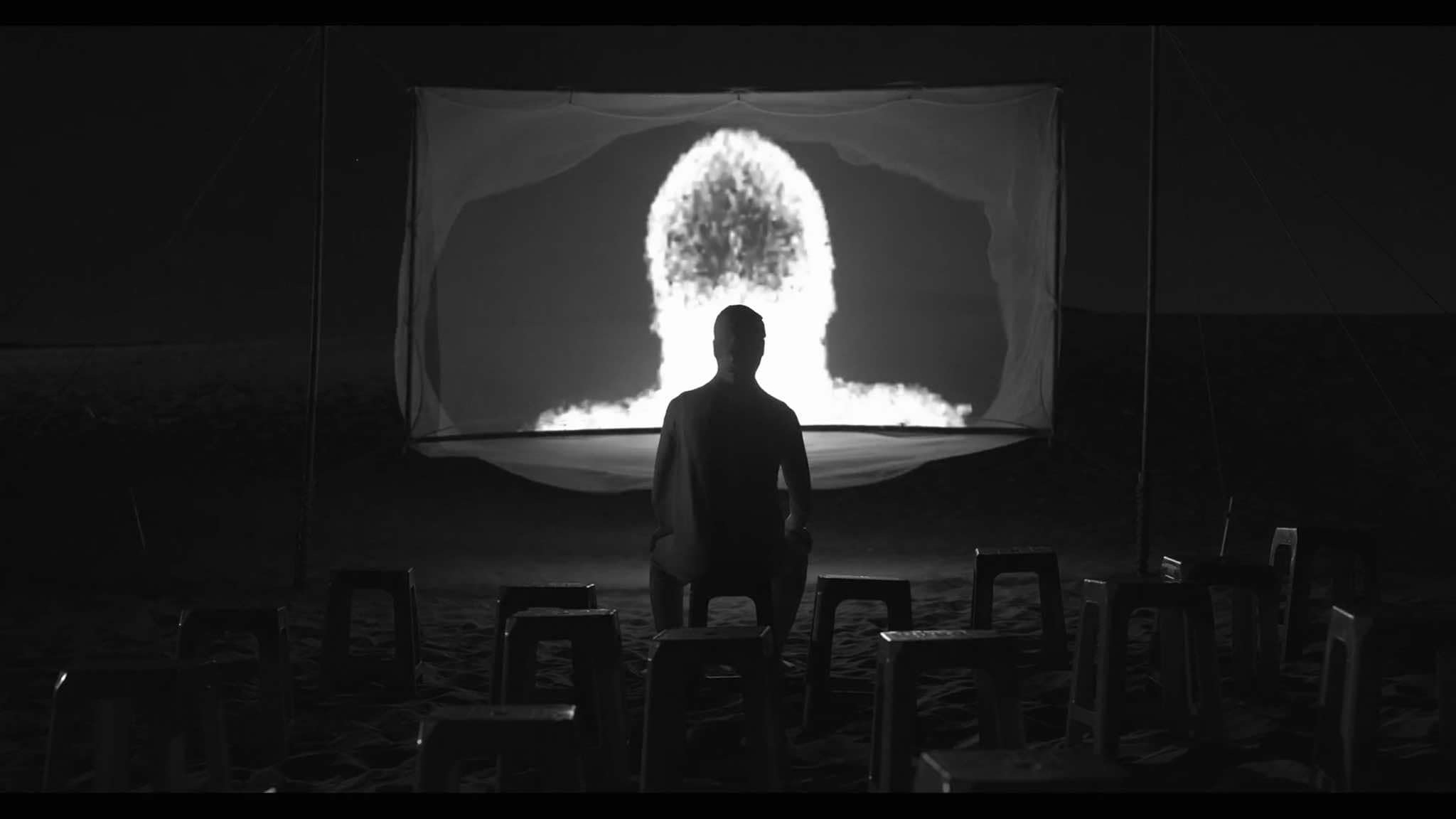
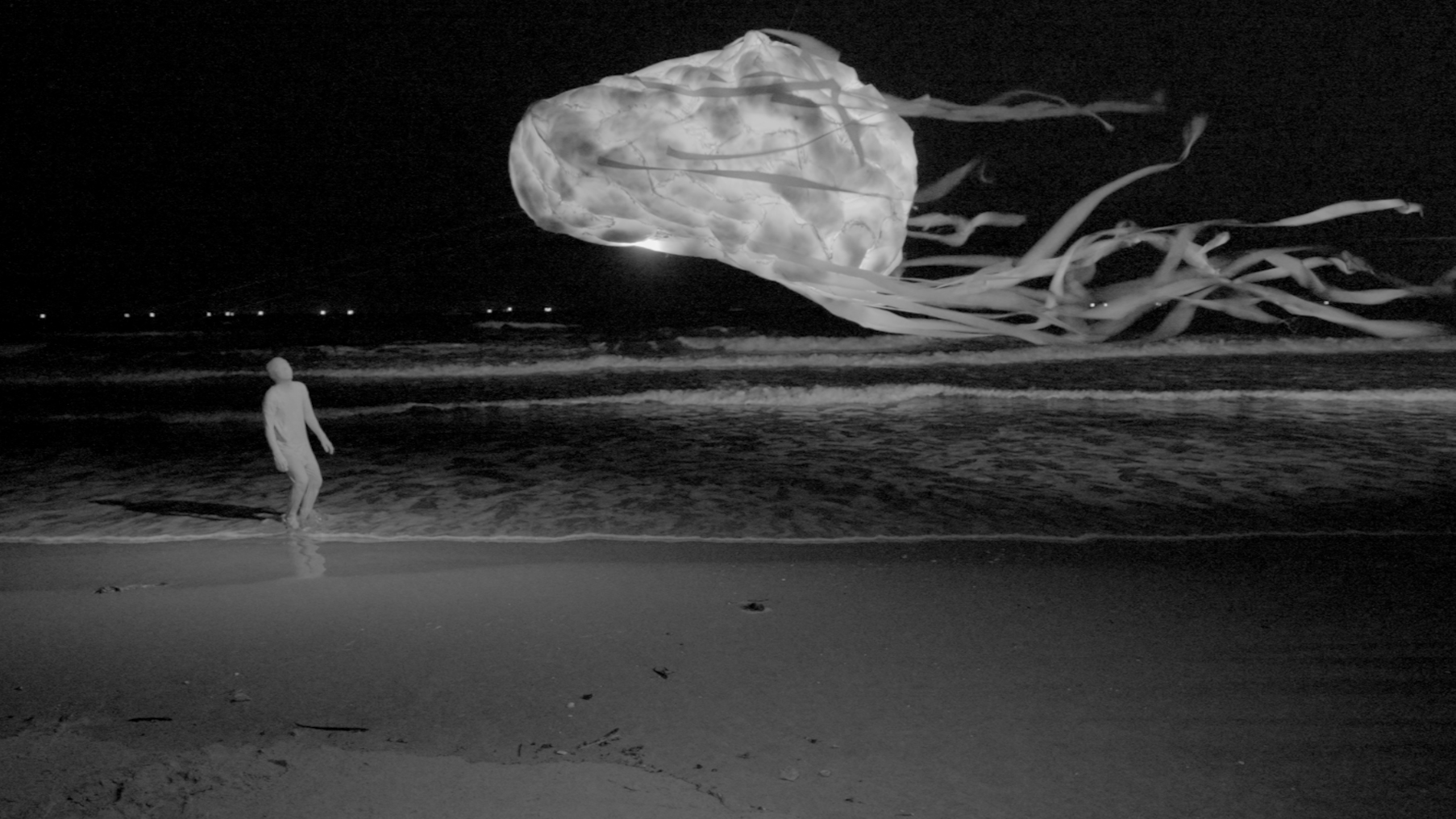
Stills from “Land of Evanescence” by Xuan Trang Nguyen Thi, Feature Documentary, Work in Progress, 2026, 70 min. The rough cut of this project was presented at the Cannes Docs – Work in Progress showcase in May 2026, got the IDFA Bertha fund 2026.

Land of Evanescence asks what remains of war long after the news cameras have left. Set fifty years after the end of the Vietnam War, the film explores whether trauma can travel across generations, and what happens when memory is inherited rather than lived.

– I am the post-war generation. I grew up far from the battlefield. But since I was a child, I’ve had recurring dreams of war, of being chased, of hiding, of not knowing where I am.

A few years ago, I read about an American veteran who, during a night of terror, killed his wife. In court, he said he was still stuck in Vietnam. No one believed him. But I did.


Because even though I’ve never seen war, I feel like I remember something, Trang says.

The story is rooted in Vietnam and told from a Vietnamese perspective, but its questions extend far beyond the country’s borders. Against the backdrop of contemporary conflicts in Ukraine, Gaza, and the Middle East, the film considers what it really means for a war to end. Political treaties and ceasefires may mark the end of fighting, but they do not necessarily end the psychological and emotional consequences of violence.

New generations inherit memories, fears, and unresolved histories. In Land of Evanescence, the spectator moves through a dreamlike landscape of childhood, a classroom where war is reduced to numbers, and a video game in which history is reconstructed by others.

– These spaces collide because this is how war exists for us: disjointed, mediated, and unresolved. The battlefield is already silent, but from then on, the echoes begin, Trang explains.

The film is currently in post-production and is seeking final financing and resources to complete its remaining stages.

Between Cannes and Hvitsten

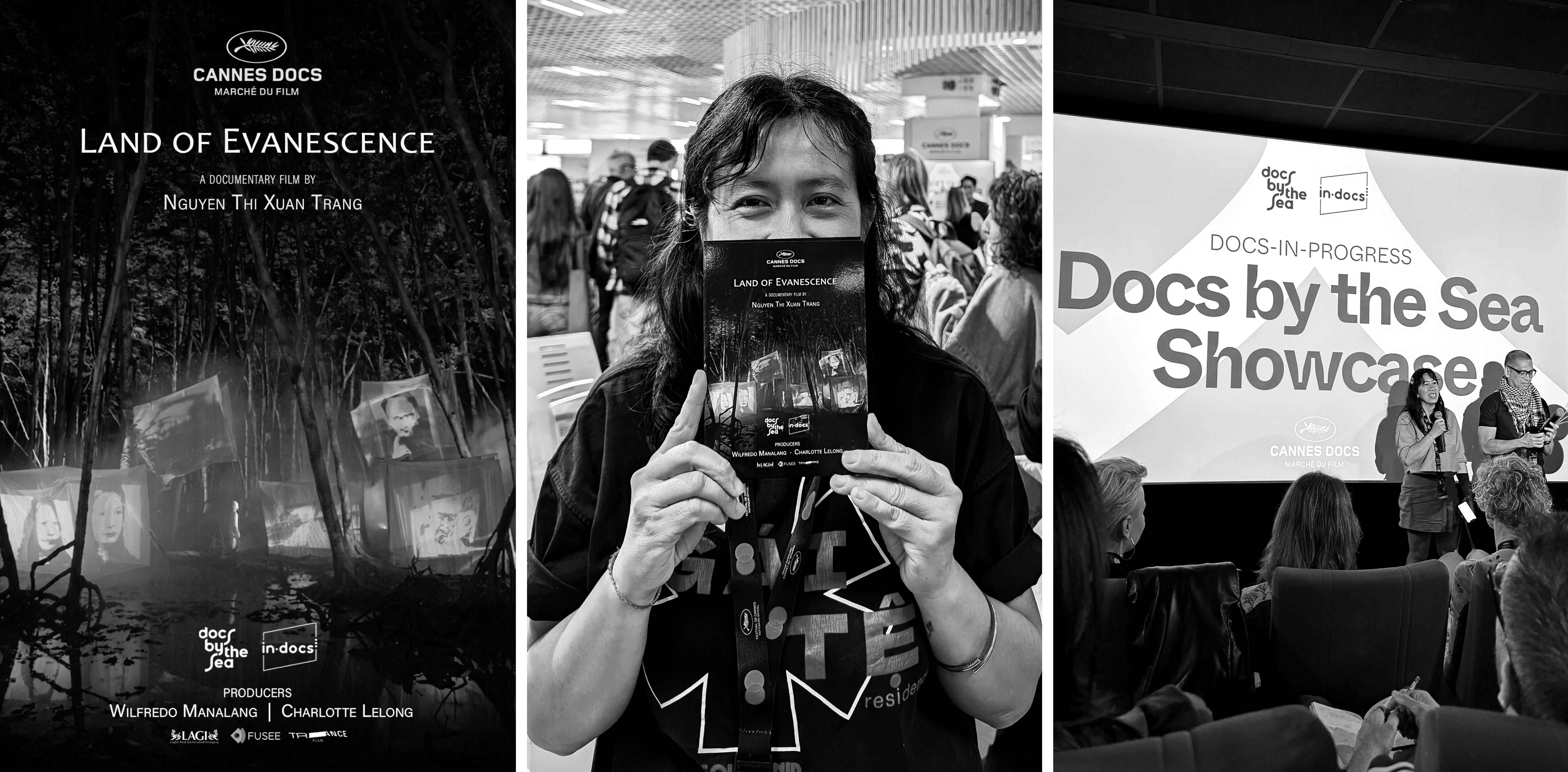
In May 2026, Trang traveled to France to present the rough cut of this project at the Cannes Docs – Work in Progress, one of the largest and most influential project markets in the world. It is a massive hub designed for filmmakers to scout talent, connect with sales agents, meet the right distributors, and carefully lay the groundwork for a film’s future.

– It was my very first time witnessing a film market so vibrant, intense, and deeply authentic. For me, it was an incredible, high-stakes opportunity to have everyone gather in one room to watch the very first footage of my film. Observing their live reactions gave me a firsthand understanding of how the visual language of the film resonates – whether the imagery truly captivates and connects with an audience or not, Trang recalls.

Yet the intensity of Cannes also made her aware of the distortions that can accompany recognition.

– However, an environment like Cannes can easily cause a sensory overload. The sheer intensity of it can make you feel ‘high,’ almost like a three-to-four-day drug rush, which can temporarily skew the objective evaluation of your own work, Trang shares.

“Land of Evanescence” by Xuan Trang Nguyen Thi, Cannes Docs, May 2026.

She explains how this intoxicating atmosphere can easily make an artist lose their sense of direction, becoming absorbed in the excitement and recognition of the moment while losing sight of the longer journey ahead. In the process, the fundamental elements that should guide the work can be overshadowed by the seductive pressures and distractions of the film world.

She smiles as she explains that this is precisely why it feels so good to return to the solitude of the Norwegian woods – to reconnect with nature, slow down, and ultimately reconnect with oneself:

– I am profoundly grateful for how my journey unfoldes. While Cannes opened doors for what my film could become tomorrow, Safemuse stepped in to harmonize and balance my present. Returning to the peaceful house by the sea, surrounded by the raw nature of Hvitsten, Norway, everything instantly returned to a state of absolute stillness.

In this quietude, Safemuse provided the perfect sanctuary to restore equilibrium to both my work and my inner self. Here, I was finally able to calmly re-examine my work, face its actual challenges, and continue tinkering and exploring toward completing the film. It completely rebalanced my state of mind, grounding me so that I know exactly where I – and my work – stand in this long creative process.

When Trang initially applied for the Safemuse residency, this was precisely what she was searching for: a sense of balance. Feeling overwhelmed by information, expectations, and professional crossroads, she sought the distance necessary to look at her work from another perspective:

– I found myself somewhat stuck, facing the heavy pressure of trying to complete my debut feature film. Because my film raises so many questions about my homeland, I felt that leaving my country for a period of time to look back at it from an “outsider’s” perspective would be the catalyst I needed to continue writing my story. That was my primary goal when applying.

However, since arriving here, things have naturally evolved in ways I could not have entirely anticipated. Immersing myself in a completely new environment and a new way of life has opened an entirely new door for my artwork. I have encountered many people here, many of whom have guided me toward a much deeper layer of meaning within my own project. These days spent facing the artwork head-on have continuously pushed me to create and enrich the film up to this very day.

Ultimately, the residency has become a process of self-examination as much as artistic development. The distance from home has allowed Trang to look more closely at her own identity and to discover new possibilities within her artistic language.

The Limbo

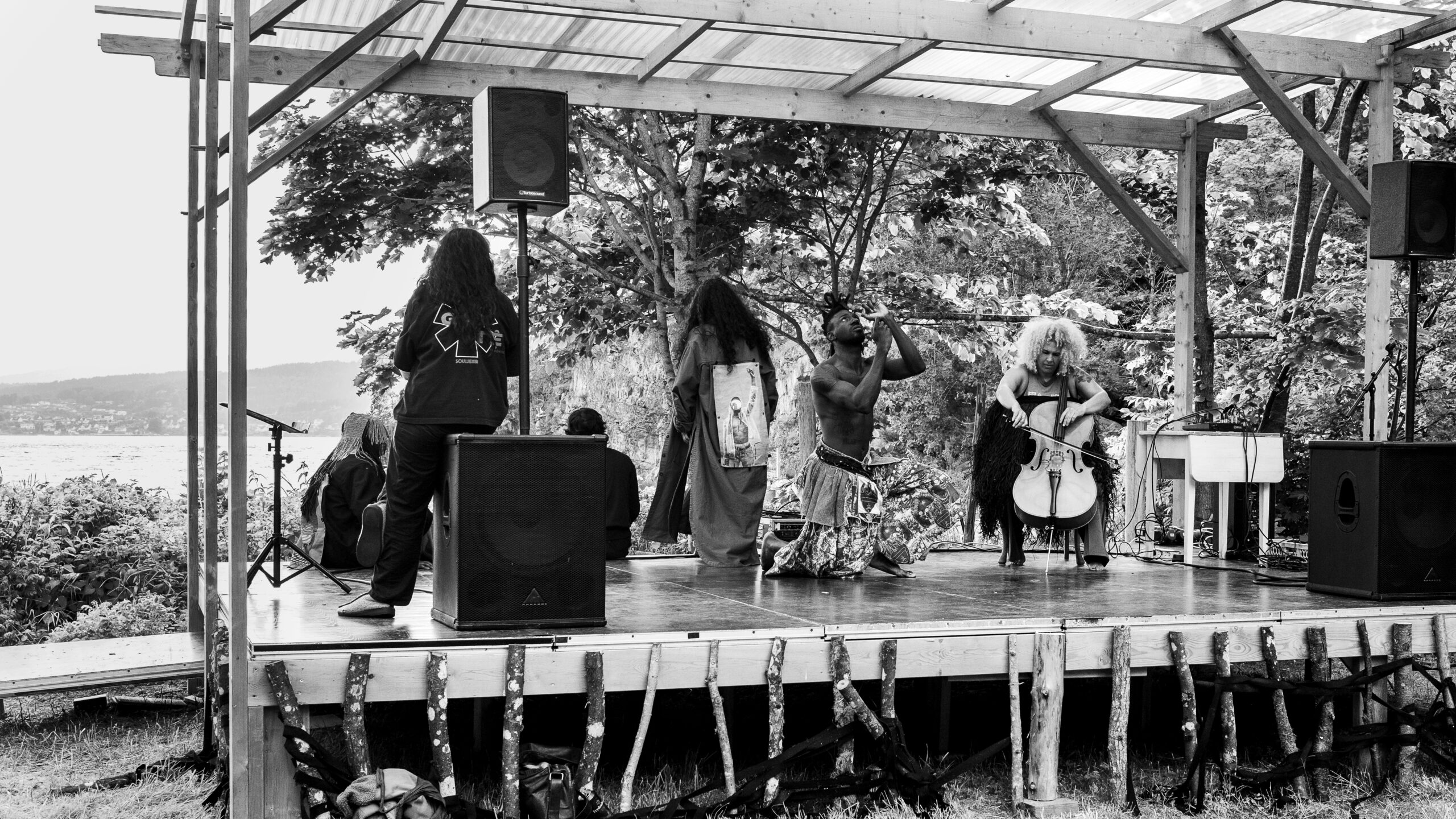
In June 2026, Trang took part in the mini-residency organised by Hvitsten Salong, Rafiki with Friends. Bringing together artists from Norway and abroad, the residency invited participants to reflect and experiment across different media around the theme of “Home”, guided by Nicole Rafiki.

Experimental performance, “Rafiki with Friends” residency, Hvitsten Salong 2026, Photo: Aliona Pazdniakova

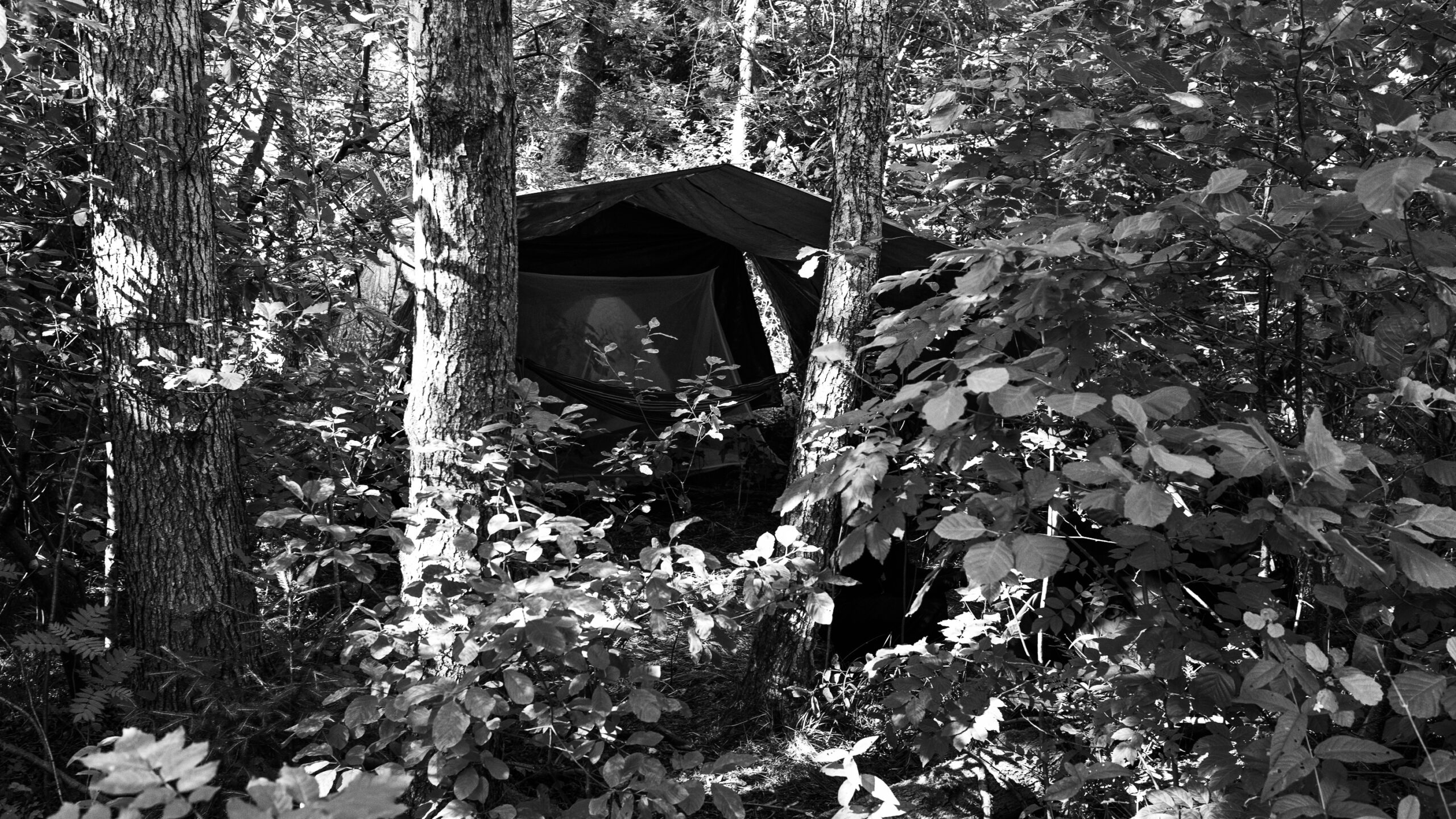
During the residency, Trang participated in an experimental performance and opened her project to new forms of presentation. This process resulted in The Limbo, a site-specific video installation presented during Hvitsten Salong 2026.

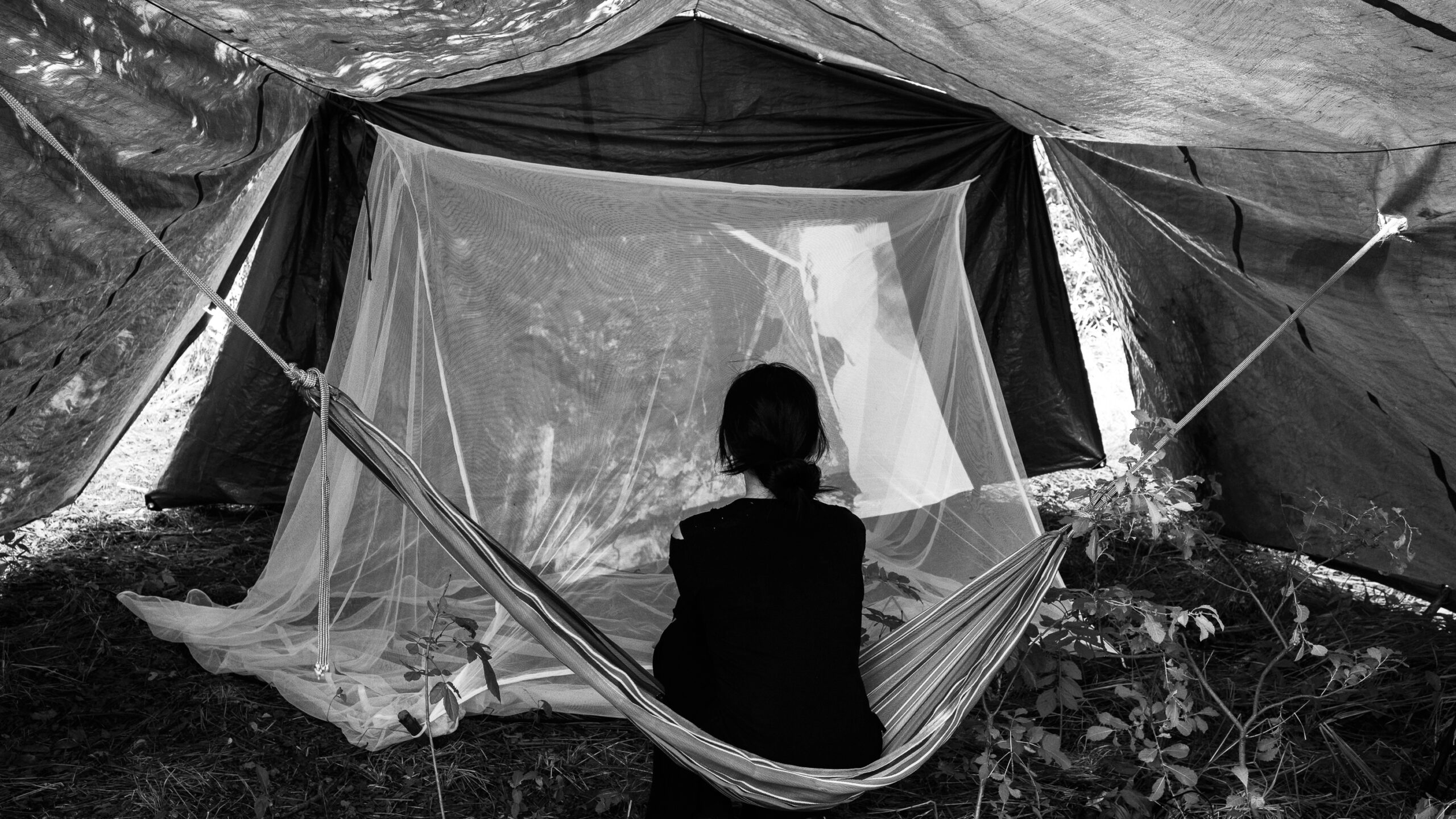
“The Limbo”, Installation by Xuan Trang Nguyen Thi, Hvitsten Salong 2026, Photos: Aliona Pazdniakova

The installation consists of video footage from Trang’s work-in-progress film Land of Evanescence. Presented inside a military tent set within the forest and equipped with a Vietnamese hammock, the installation creates a space suspended between anxiety and rest. The setting evokes the lingering effects of post-war trauma, establishing a tension between the desire to retreat and the impossibility of finding true refuge.

The intimate, enclosed environment blurs the boundary between observing and experiencing. The spectator is drawn into a psychological landscape shaped by memory, vulnerability, and unease.

– The Limbo reveals a haunting realm suspended between life and death, where survivors remain trapped in the relentless horrors of past war. Unable to return to normal life, they wander through a dazed, disorienting nightmare – though one must ask if they have ever truly fallen asleep.

This installation exposes the profound agony of severe psychological trauma, where the simple mercy of a peaceful, genuine rest remains agonizingly out of reach. In the end, it leaves us with a singular, gentle plea: please, give them a good night’s sleep, Trang states.

Acceptance as a Form of Freedom

Across Trang’s practice, acceptance emerges as both an ethical position and an artistic method. She speaks of acceptance on several levels: accepting others in their differences and contradictions; accepting the conflicts and histories that have shaped us; and accepting the limitations that cannot simply be overcome.

For Trang, the end of war is therefore not synonymous with the end of conflict. A war may cease politically while continuing to exist psychologically, culturally, and emotionally.

– The war is not over until we free ourselves from the hate towards the past enemy and what has happened. Until we are trapped by this, and our government continues to cultivate this hate, we will never exit this circle, and the conflict will remain, Trang reflects.

Acceptance, however, does not mean resignation. It can instead become a way of negotiating limitations and transforming them into creative possibilities.

– It is always a limitation: money, time, space, your own body. Furthermore, I live in Vietnam, where there are a lot of limits. If I do not accept them, I will not manage to work; I will not survive as an artist. I’m thinking that limits also have a lot of creative power – you are challenged by the limit and you have to find your way out. I think about acceptance first and then – freedom, Trang says.

This tension between limitation and freedom lies at the heart of Trang’s practice. Her films emerge from a specific cultural and political context, yet she resists allowing that context to determine how her work must speak.

In my recent film I talk about my love for my country and my family, but my films are experimental. They do not talk about war in the way our government would like to hear. The government has a lot of bias, and It is not that it is not accepting us – it is misunderstanding us, Trang explains.

For Trang, artistic freedom ultimately depends upon the possibility of accepting difference – not only difference between people, but between histories, perspectives, artistic languages, and ways of remembering.

In this sense, acceptance becomes more than the theme of Trang’s work. It becomes a way of working, seeing, and relating to the world: an attempt to acknowledge what cannot be undone, while preserving the freedom to dream and imagine what might still become possible.

True artistic freedom exists when we can transcend the boundaries of culture, language, age, gender, and history to accept one another simply as artists. I hope the world can accept us as we are: foolish and flawed, yet incredibly innocent, entirely pure in our intentions, and always willing to expose the raw, fragile vulnerabilities carried in our hearts.

                                 – Xuan Trang Nguyen Thi

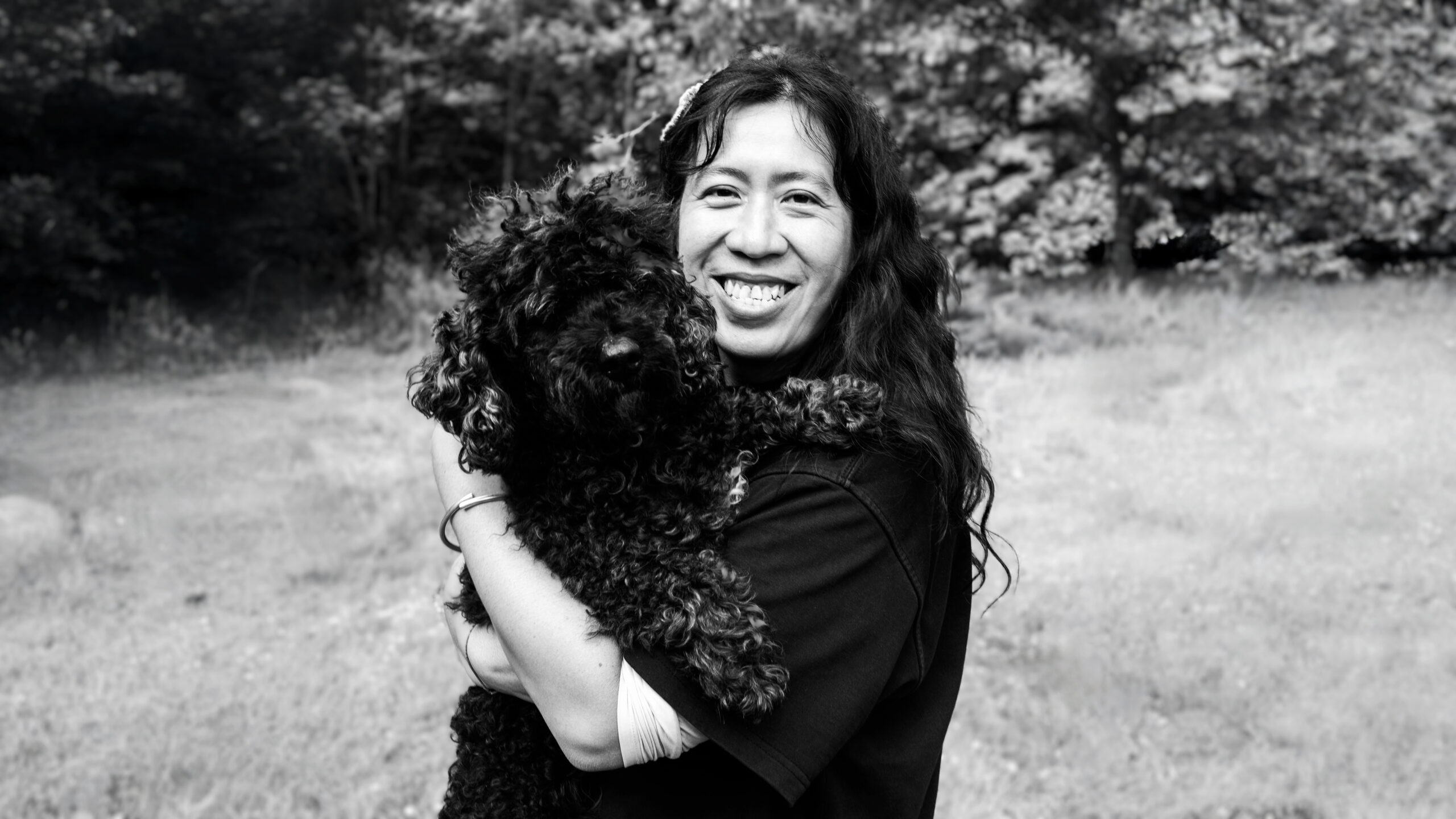
Trang and Mint, Hvitsten 2026, Photo: Aliona Pazdniakova
Xuan Trang Nguyen Thi: From Freedom Of Acceptance Towards The End Of War

What does it really mean for a war to end?
Vietnamese filmmaker Xuan Trang Nguyen Thi reflects on memory, identity, post-war trauma, and artistic freedom.
During her residency at Hvitsten Art Haven, she is developing Land of Evanescence – her first feature-length documentary, tracing how trauma and history are transmitted across generations, and how war continues to shape lives long after the fighting ends. Moving between cinema, installation, and personal memory, Trang considers acceptance not as resignation, but as a critical and creative practice through which new forms of freedom can emerge.

mean for a war to end?
Vietnamese filmmaker Xuan Trang Nguyen Thi reflects on memory, identity, post-war trauma, and artistic freedom.
During her residency at Hvitsten Art Haven, she is developing Land of Evanescence – her first feature-length documentary, tracing how trauma and history are transmitted across generations, and how war continues to

What does it really mean for a war to end?
Vietnamese filmmaker Xuan Trang Nguyen Thi reflects on memory, identity, post-war trauma, and artistic freedom.
During her residency at Hvitsten Art Haven, she is developing Land of Evanescence – her first feature-length documentary, tracing how trauma and history are transmitted across generations, and how...

© Safemuse Organisation - Oslo/Norway

Categories
News Project Safe Havens Safe Residencies

Tara Abdullah: The Girl from The Cigarette Factory

Tara Abdullah: The Girl from The Cigarette Factory

June 11, 2026

Written by Aliona Pazdniakova

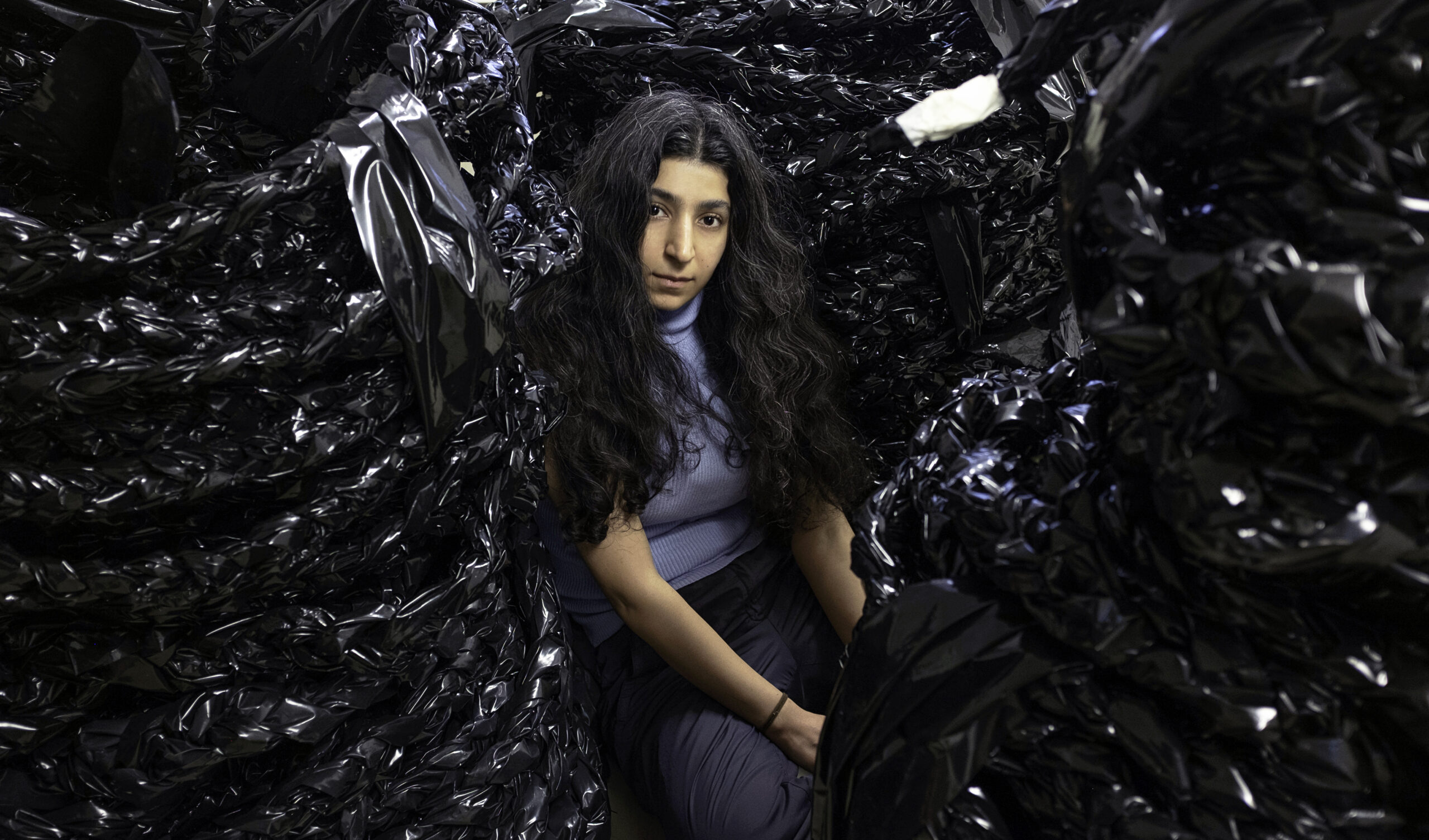
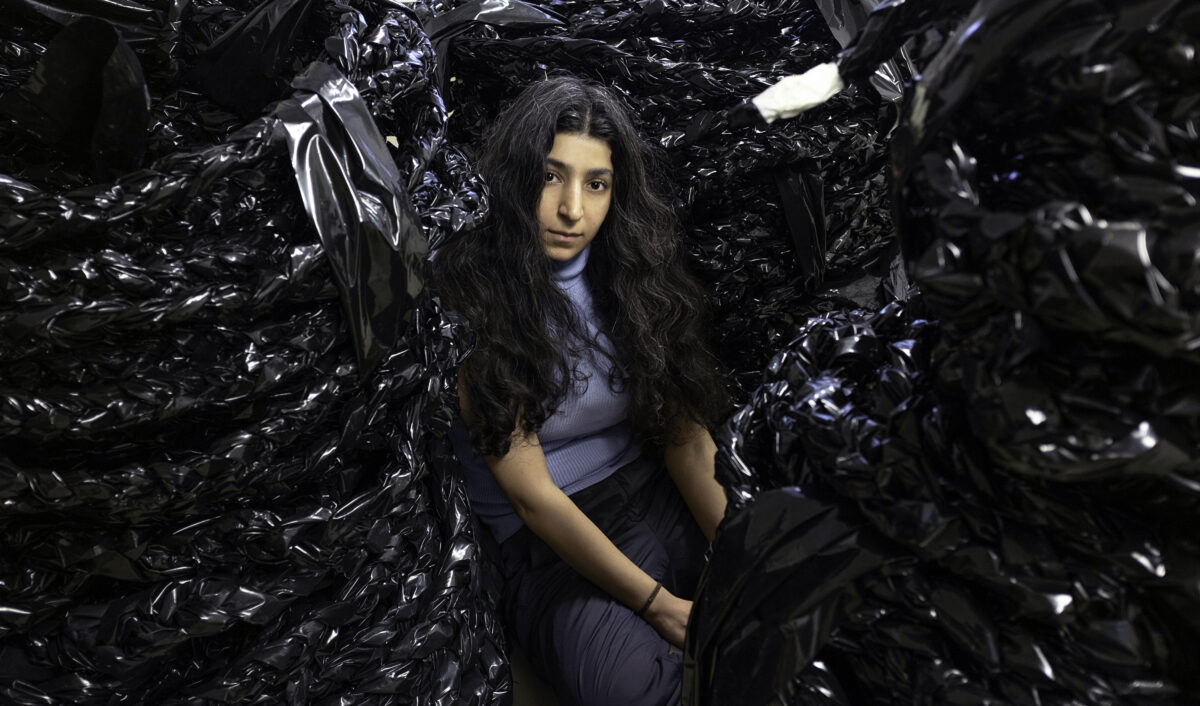
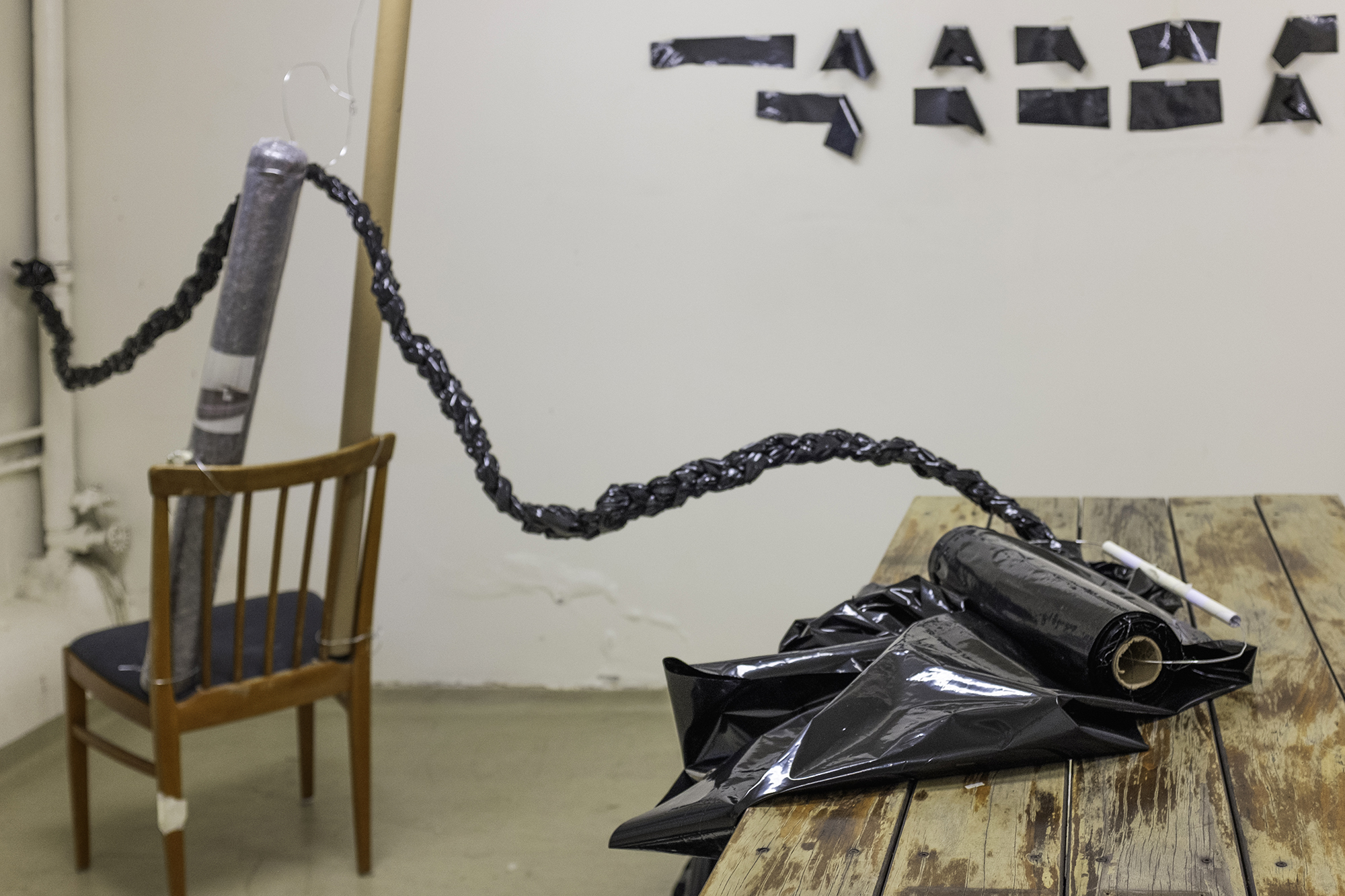
"Braids", black plastic sheets, metal wire, 2026 (Photo: Aliona Pazdniakova)

Artistic freedom means the ability to express lived experiences without fear. It is the right to question power structures, challenge gender norms, and speak openly about women’s realities.

For me, artistic freedom also means, that when I have an idea, I am able to realize it fully – without limitations or restrictions placed on my expression. It means having the space to produce work that may critically engage with cultural, traditional, religious, or political systems.

Freedom in art includes the right to question and critisise these systems, not out of rejection, but out of a hope for reflection, dialogue, and positive change. As for an artist, this space for honest expression is essential for me.

— Tara Abdullah

Tara Abdullah (b. 1996) is a Kurdish multidisciplinary artist from Sulaymaniyah in the Kurdistan Region of Iraq. Her practice spans painting, sculpture, performance, sound, and installation, often taking the form of site-specific and large-scale works.

Through her art, Tara explores the most vulnerable, suppressed, violated, and silenced aspects of her home region – women, nature, and artistic freedom. In searching for her own identity and voice – both denied and repressed until her encounter with art – she raises universal questions about power, belonging, and the relationship between the individual and society.

The First Supper – Art as the way out

Growing up in a conservative patriarchal environment profoundly shaped Tara’s artistic voice, as well as the motivations and recurring motifs in her work.

“Stop making the paper dirty!” her teachers repeatedly shouted whenever Tara was drawing at school.

“Don’t make the street dirty!” her parents would say when she drew on the ground as a child.

“You are dirty like a whore now,” Tara´s mother told her when she got her first period.

For Tara, the only way out of this darkness was through art. It was a painful path, she explained, but the only one that offered the possibility of liberation.

In her family, art was considered sinful and harmful to the mind. The only artistic input Tara was allowed was Disney cartoons on television. They inspired her by presenting an alternative world, and she became fascinated by their heroes and princesses. Together with other thoughts she used to write down her dreams and fantasies in a diary.

One day, when Tara was twelve, her father found the diary. He gathered the entire family in a room and read it aloud. As punishment, he beat Tara and shaved her head.

– My mother was holding my head, and my sisters were holding my legs, Tara recalls.

As a result of the assault, Tara was hospitalized. Her father told hospital staff that she had been attacked by a cat. After this traumatic experience, Tara noticed that much of her hair had turned white. Her sisters mocked her for it.

– In my family, I became the black sheep, a bad omen, blamed for all misfortunes, Tara explains.

Tara felt betrayed by her notebook and by writing itself, which had exposed her innermost thoughts. As a result, she began writing in mirror script so that no one could understand her words. The origins of her distinctive visual language in painting may lie in this experience as well.

Alongside Disney cartoons, religious stories were one of the few narratives available to Tara during her childhood. She was particularly drawn to stories about Jesus, a figure who also holds an important place in Islam. At the age of thirteen, however, Tara lost her faith in God after being harassed by a mullah. Yet her fascination with the figure of Jesus remained. Identifying with him, she began reimagining religious narratives through her own experiences.

When Tara first discovered art books, she hid them secretly under her bed. They were soon found and destroyed by her father. Despite these restrictions, she managed to deceive her parents and gain admission to an art college. Because her religious father considered drawing human faces a sin, he only allowed her to attend on the condition that she wear a niqab and remain fully covered. During her studies, this made her the target of bullying from both teachers and fellow students.

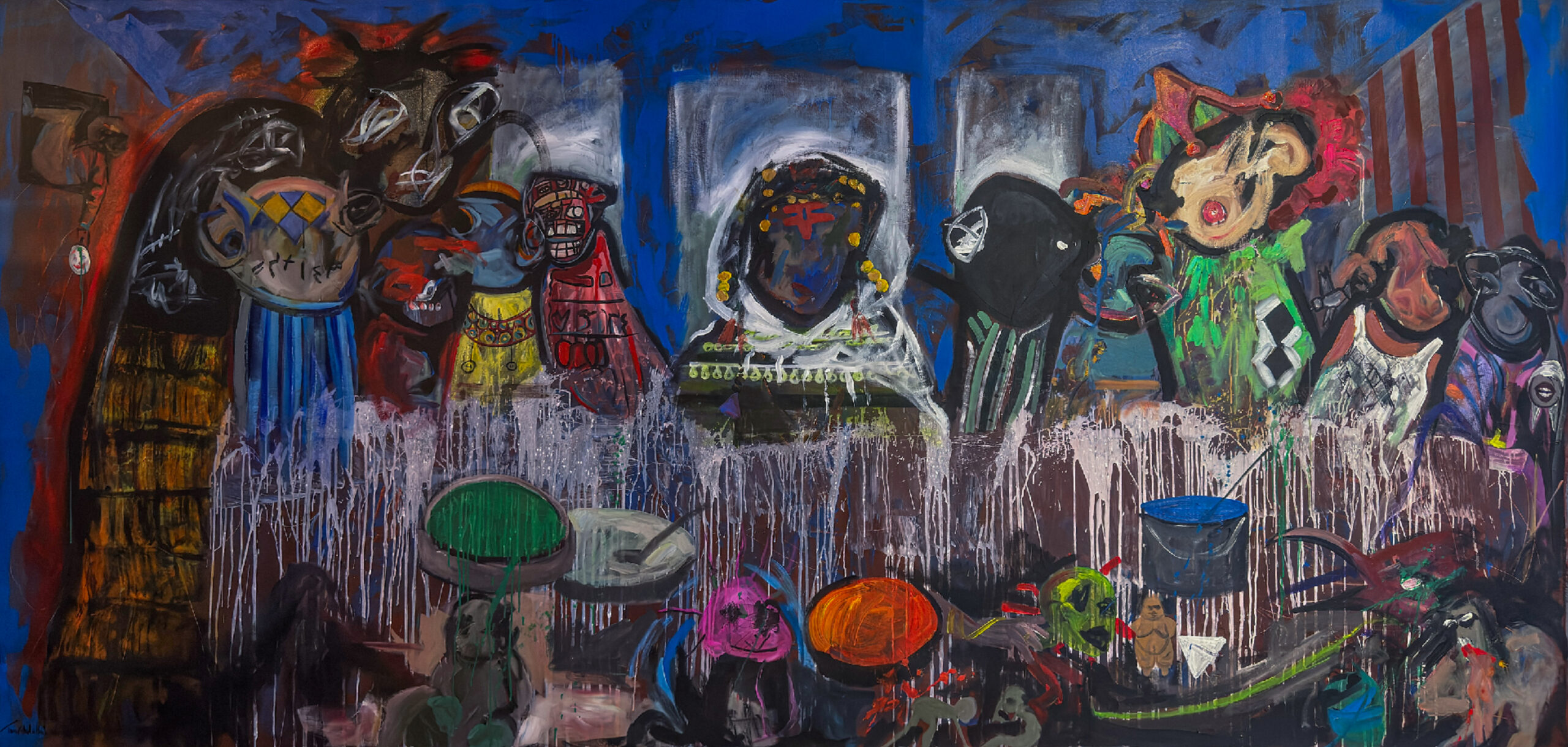
The first time Tara traveled abroad and visited museums, meeting in person the artworks she had previously only seen in books, the experience had a strong impact on her. Years later, she reflected on this moment in her painting The First Supper. Interweaving personal memory, imagination, emotion, and religious symbolism, the work transforms the biblical narrative into a metaphor for her first encounter with art – a moment of nourishment, revelation, and awakening.

– First is a start, a beginning, and something so huge that it never ends, Tara states.

Tara inside Richard Sierra´s installation "Serpent", Guggenhiem Museum, Bilbao, Spain, 2025 (Photo: Bnwar Rzgar Abdulrahman)
"The First Supper", painting, acrylic on canvas, 400cm x 190cm, 2025 (Photo: Bnwar Rzgar Abdulrahman)

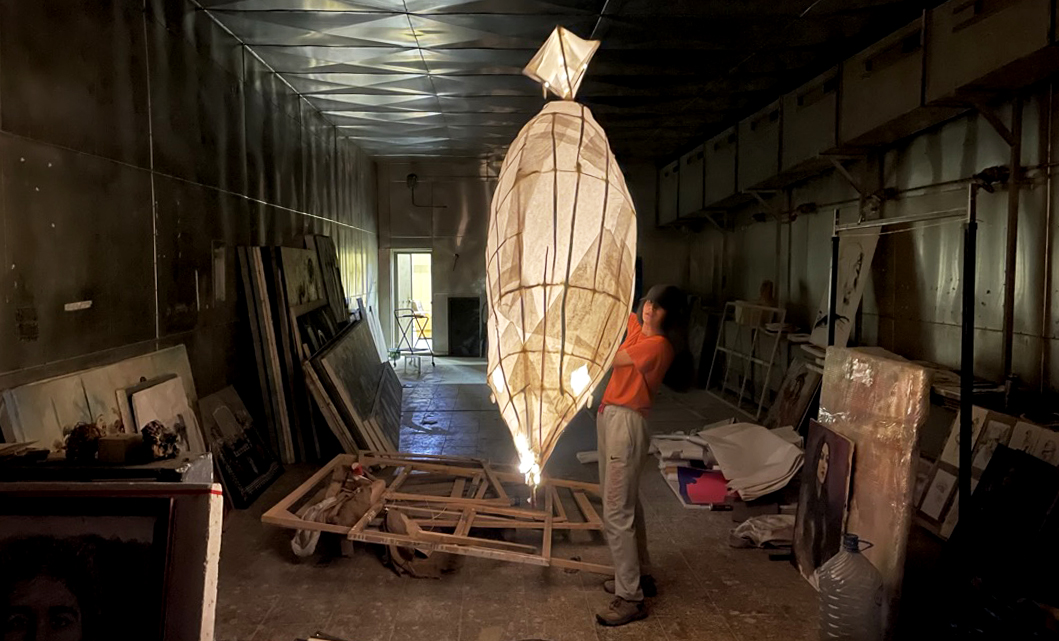
With the help of friends, mentors, and other supporters who believed in her artistic vision, Tara eventually obtained a studio in a former Cigarette Factory in her hometown, where she was able to fully devote herself to her artistic practice. This space marked a symbolic turning point in her life – her first independent artistic studio, a place of transformation, and a counterpoint to the restrictions of her childhood. For Tara, it became her first experience of artistic and personal freedom, and a point of no return to her former life.

– Tara is art, and art is Tara, she says to herself and to the world.

Tara in her studio at the former Cigarette Factory (Currently Culture Factory) in Sulaymaniyah, 2021 (Photo: Bnwar Rzgar Abdulrahman)

Reclaiming the voice – Amplifying the silenced

Tara’s work frequently addresses issues affecting women, including bodily autonomy, gender expectations, and the pressures imposed by social and religious structures. Through painting and large-scale public installations, she challenges restrictive narratives surrounding gender, identity, and personal freedom.

Tara’s art bridges the personal and the political by engaging with materials and symbols rooted in her local context. Whether working with repurposed clothing from women affected by violence or salvaged metal sheets from war-torn regions, she transforms everyday artifacts into powerful carriers of memory and testimony. Through these materials, Tara gives voice to marginalized experiences and creates poetic interventions in public space.

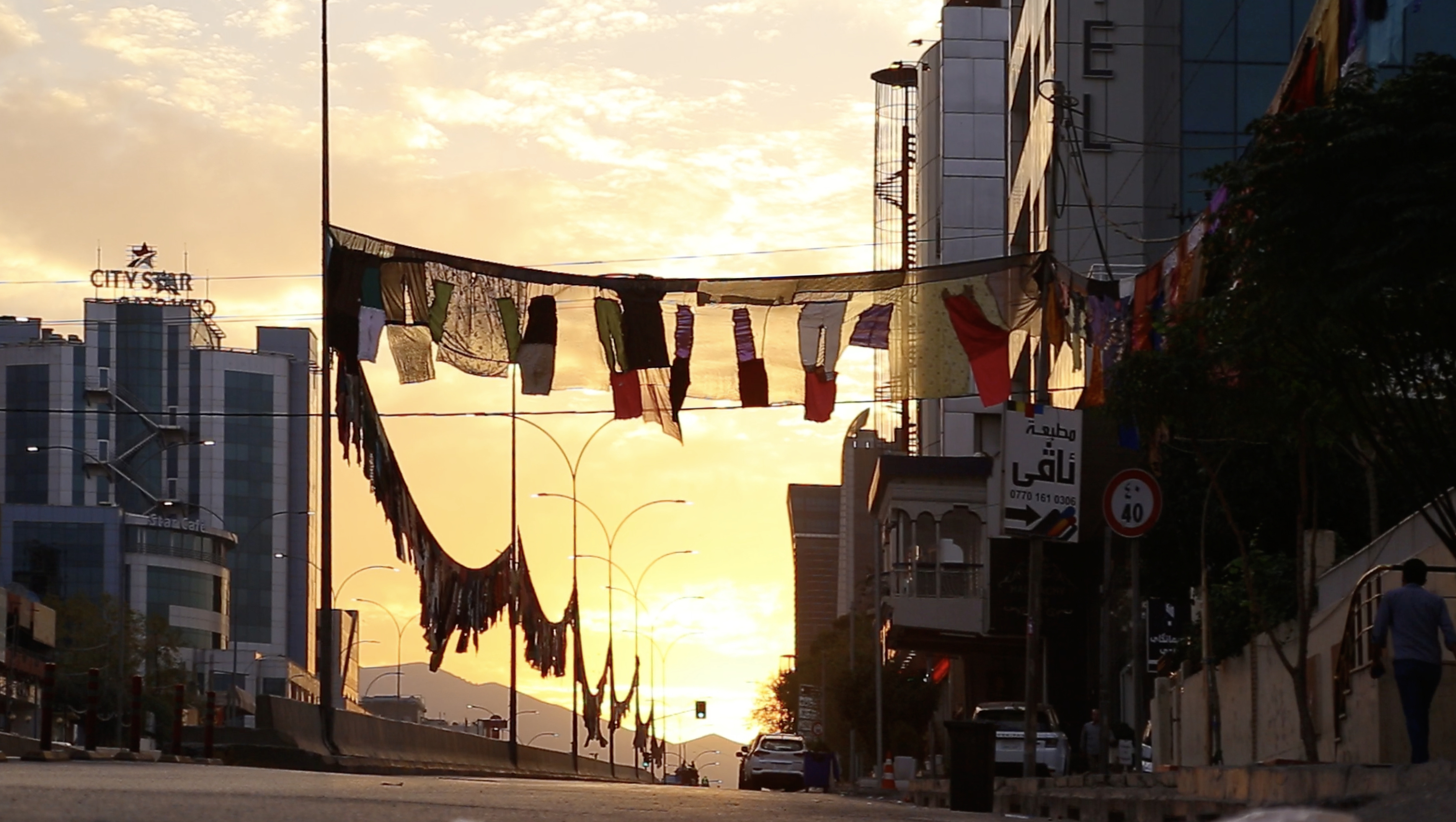
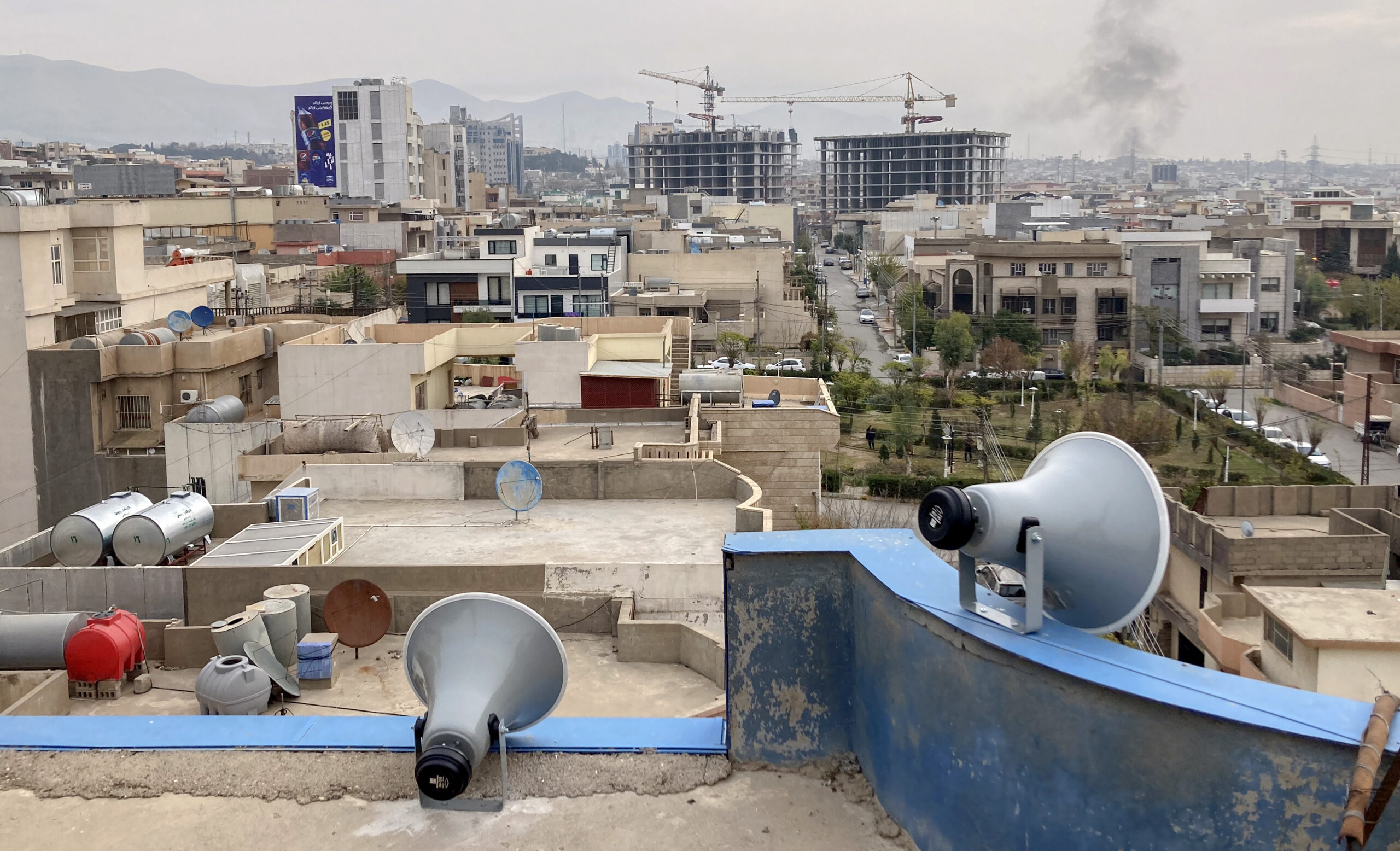
Projects such as Feminine (2020), a five-kilometer fabric installation representing the collective suffering of women, and Voice (2022), a city-wide sonic intervention, demonstrate her ongoing interest in memory, public confrontation, and healing through shared experience and cultural resonance.

These public works have provoked strong reactions in Tara’s home region.

– As a result, I have faced indirect blacklisting and professional restrictions. The Voice project was even taken to court on unfounded accusations, contributing to my eventual decision to leave Iraq, Tara explains.

Despite these pressures, she continues to work critically and openly, using art as a space for dialogue, visibility, and resistance.

Tara often works on a large scale and in site-specific contexts, beyond the confines of the white cube. She tells that this approach originated during her years in Iraq, where she sought to reach ordinary people outside the art world, a sphere in which she received little recognition or support.

– By bringing my work into public space, I want to dissolve the barriers between artists and audiences. I want to show that it is possible to find a way to speak out, Tara states.

At the core of many of Tara’s projects is the conviction that women’s private experiences of pain, shame, and oppression should not remain hidden. She argues that shame functions as a powerful mechanism of social control and that art has the capacity to expose and dismantle it.

The concept behind Feminine emerged from the shame imposed on women’s bodies and even their clothing. Drawing on the common practice of hiding women’s garments beneath men’s clothes on household washing lines, Tara transformed this invisible gesture into a monumental public statement.

– I wanted to expose that hidden feeling of shame publicly,  she explains.

"Feminine", public textile Installation, Sulaymaniyah, Iraq, 2020 (Photo: CDO)

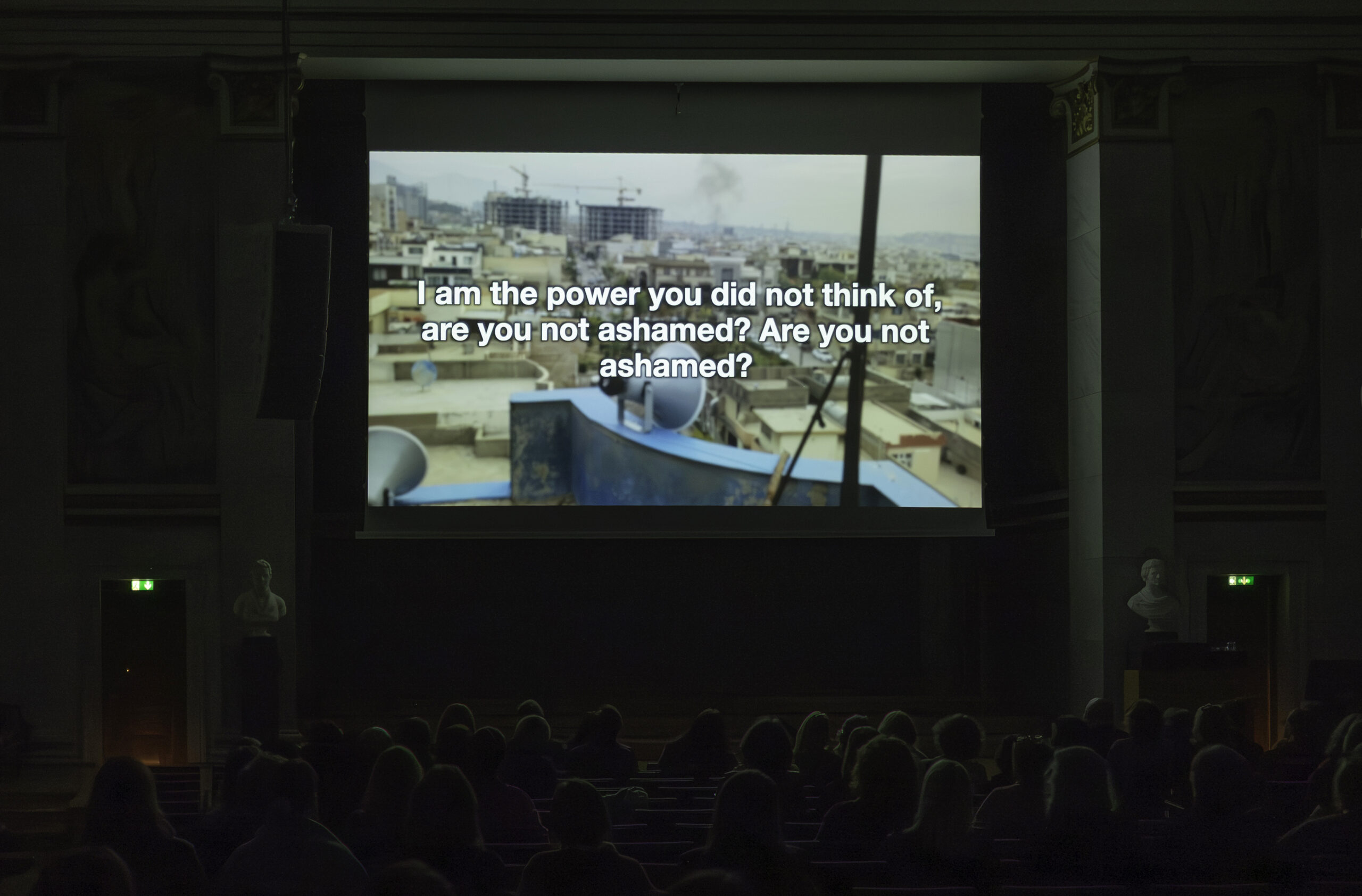
For Voice, Tara employed 66 loudspeakers and megaphones – media traditionally associated with mosques and religious preaching in her society. The act of a woman speaking publicly through such a medium was widely perceived as provocative and transgressive.

The recording concludes with the words: “This is the complaint message of Tara Abdullah.”

For Tara, publicly naming herself was an act of defiance and solidarity. By exposing her identity, she demonstrated that she was not afraid, encouraging other women to speak out and make their voices heard.

"Voice", sonic public intervention, Sulaymaniyah, Halabja, Ranya, and Chamchamal, Iraq, 2022 (Photo: Tara Abdullah)

Speaking across the borders

While Tara’s public interventions have often been controversial in her home country, they have also gained significant international recognition and acclaim.

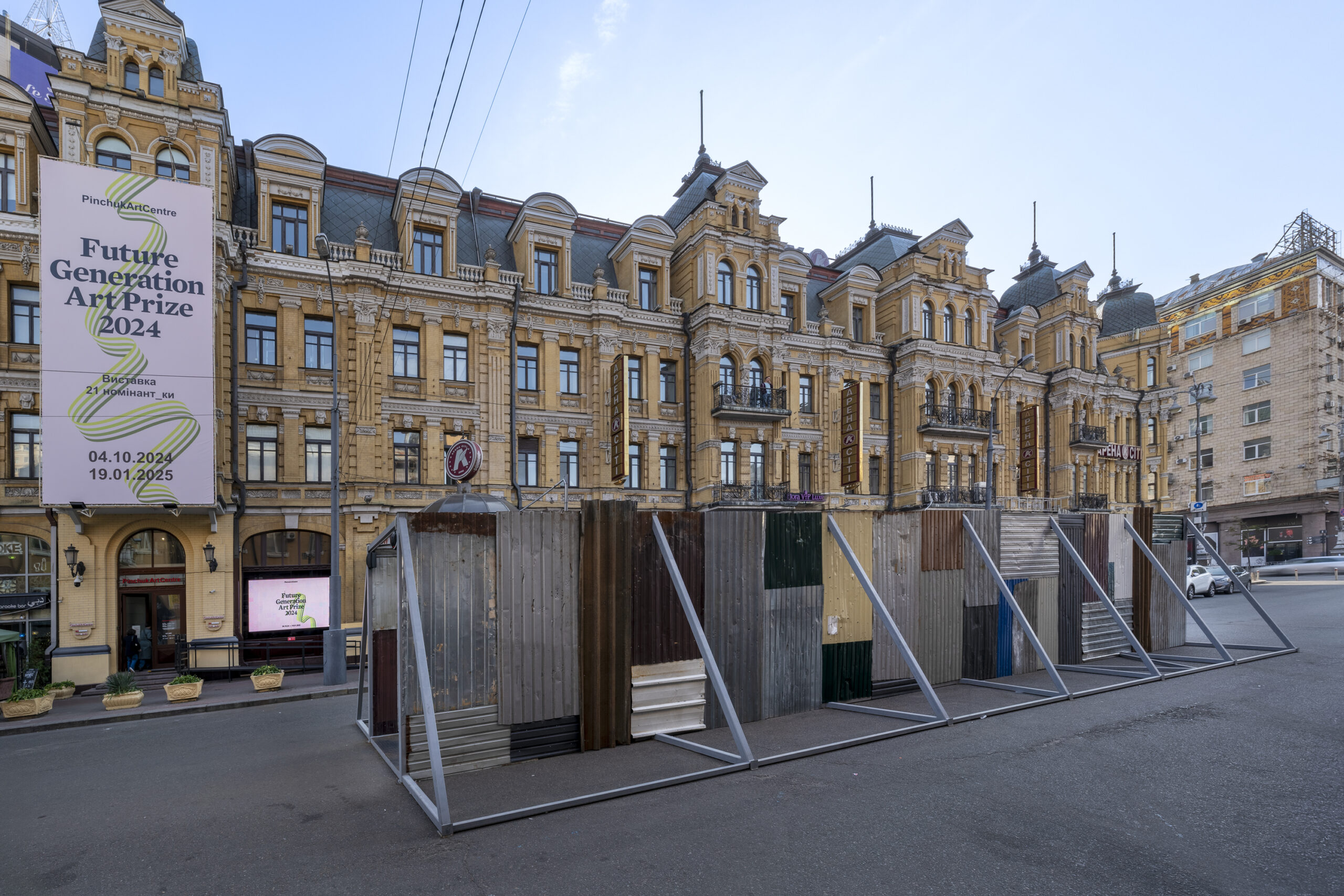
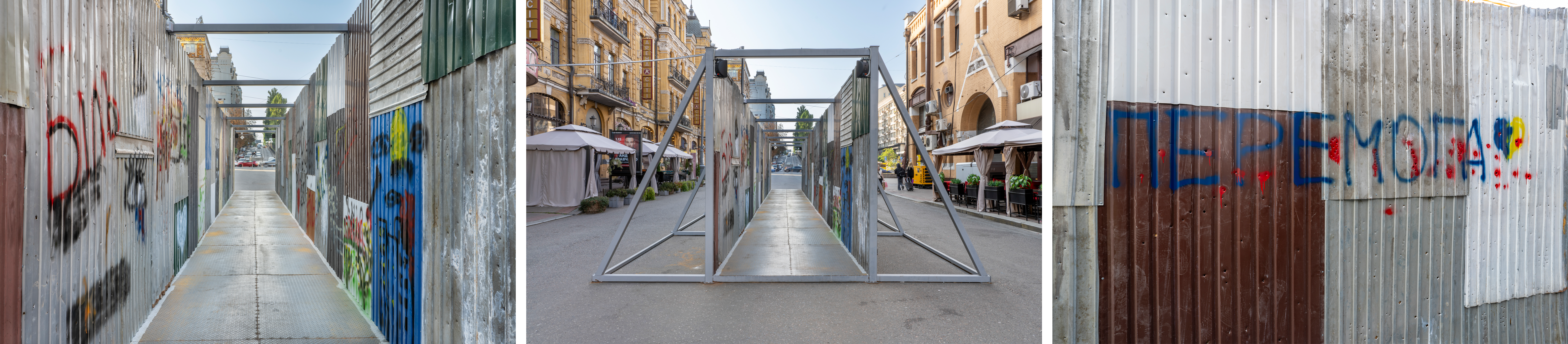
In 2024, Tara was nominated for the Future Generation Art Prize. For her project In Between, presented in Kyiv, Ukraine she received a Special Prize. The installation sought to connect collective trauma across borders by linking two major conflicts: the Russo-Ukrainian War and the Iran–Iraq War.

"In Between", installation, Future Generation Art Prize, Kyiv, Ukraine, 2024 (Photo: Ela Bialkowska - OKNO studio)

In works such as Qazwan Rosary and her ongoing painting series Beyond Gender Mold, Tara extends these investigations by reflecting on the psychological and social construction of gender identity.

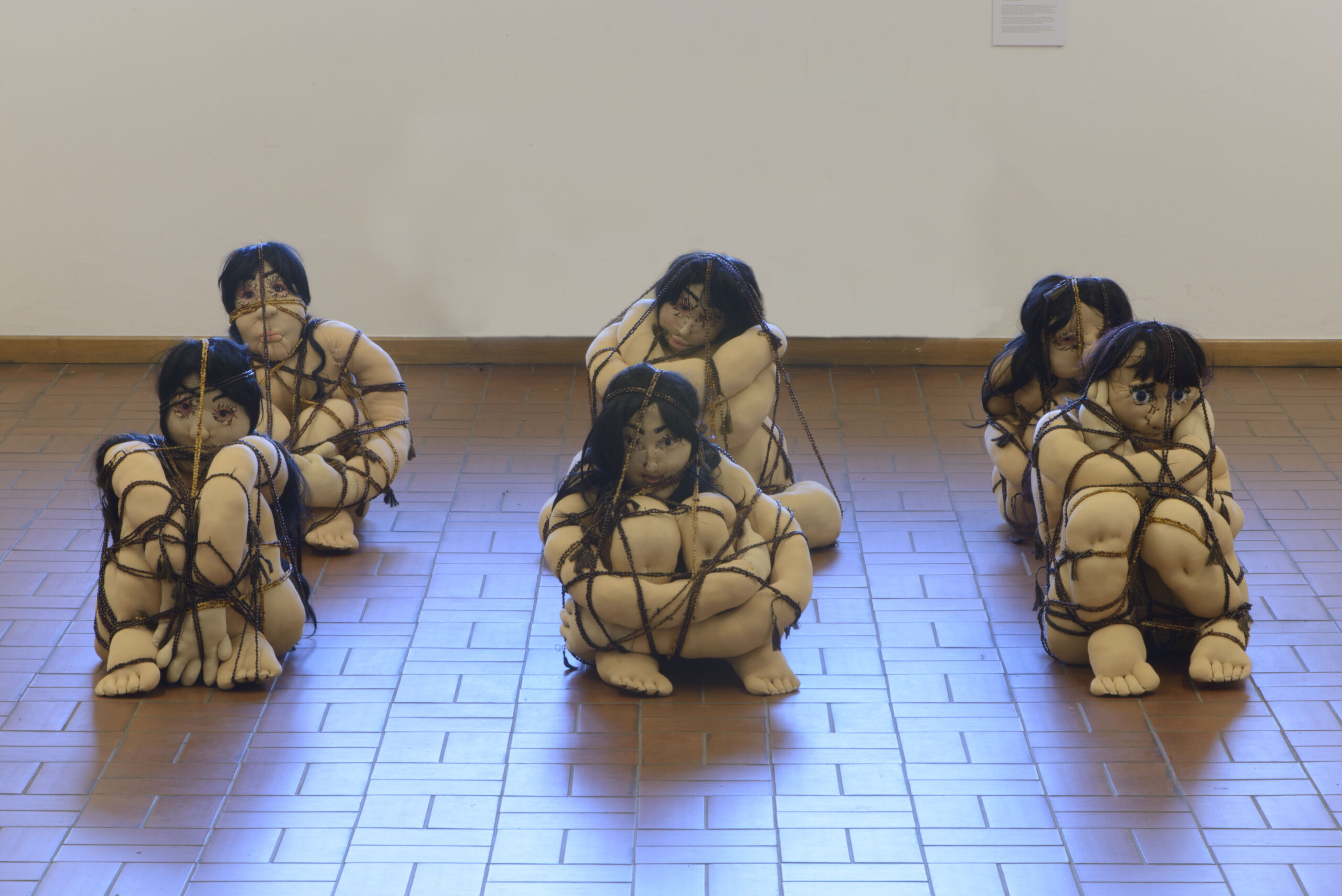
In Qazwan Rosary, she engages with the concept of haram (forbidden) within traditional and religious communities, combining it with the symbolism of the rosary as a representation of male domination and control in the Middle Eastern context. By reclaiming the rosary, the installation critiques gendered power structures and challenges societal taboos. It foregrounds themes of shame, vulnerability, and the policing of women’s bodies within patriarchal societies.

"Qazwan Rosary", life-sized sculptural installation, mixed media: wild pistachio beads, fabric, cotton, ceramic, and glass. Exhibited as part of Ego Sum group show at ZR Art Gallery, Palace of Fine Arts, Kraków, Poland, 2025 (Photo: Vladimir Milanov)

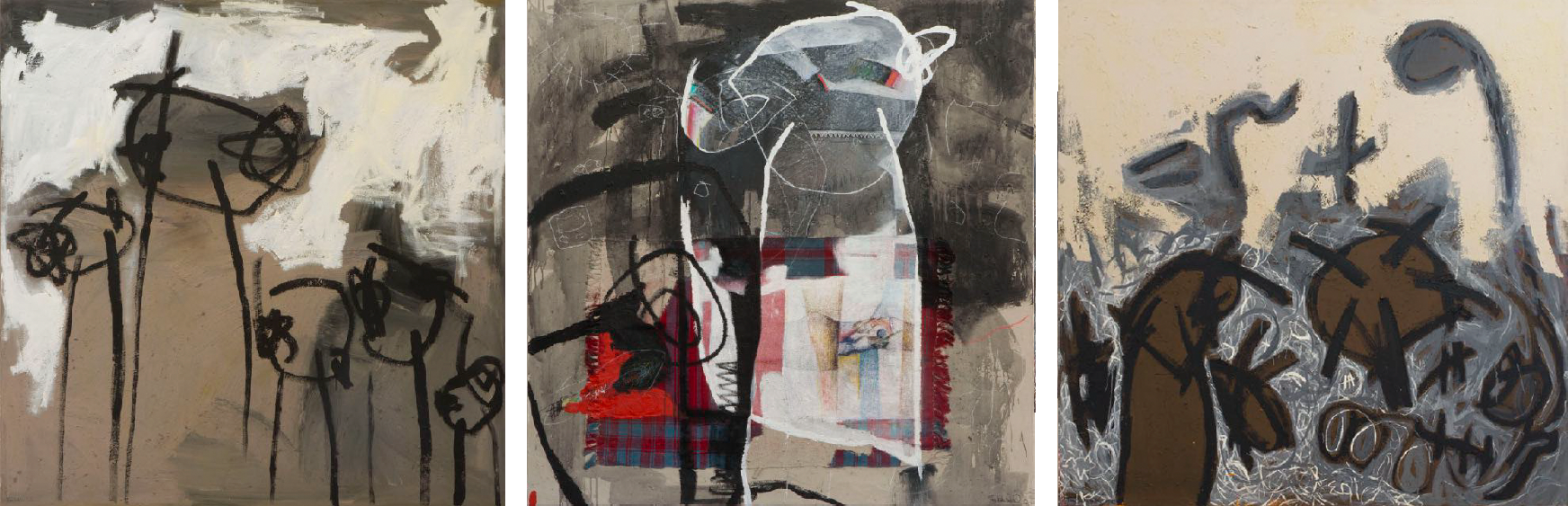
In the painting series Beyond Gender Mold, Tara employs symbolic imagery and layered narratives to question inherited norms and explore the fluidity of selfhood beyond prescribed social roles. Through recurring motifs, fragmented figures, and visual metaphors, she examines gender as a cultural construct transmitted through family structures and reinforced by social, religious, and cultural frameworks.

In many works, figures are arranged according to hierarchical scales – the father depicted as larger, the mother smaller, and the children smallest – reflecting the unconscious assignment of authority, role, and value within patriarchal systems. These disproportionate representations reveal how identity is shaped by predetermined expectations, often at the expense of individuality and personal agency.

By disrupting conventional representations of femininity, masculinity, and familial hierarchy, Tara exposes the invisible structures that regulate self-perception and social belonging. Her works directly challenge fixed notions of identity and open up space for resistance, transformation,  and self-definition beyond restrictive gender binaries.

"The Family", "Prayer Rug", "Plus", paintings from the series "Beyond Gender Mold", 180cm x 180cm, acrylic, mixed media on canvas, 2025 (Photo: Vladimir Milanov)

Since arriving in Oslo in February 2026, Tara has become actively involved in a number of artistic projects and collaborations. Her performance, I Want to Speak, resonated strongly with Norwegian audiences through its clear and powerful message: a woman claiming the space and time, using her most accessible instrument – her own voice – to assert that every woman deserves to be heard and has the power to make herself heard.

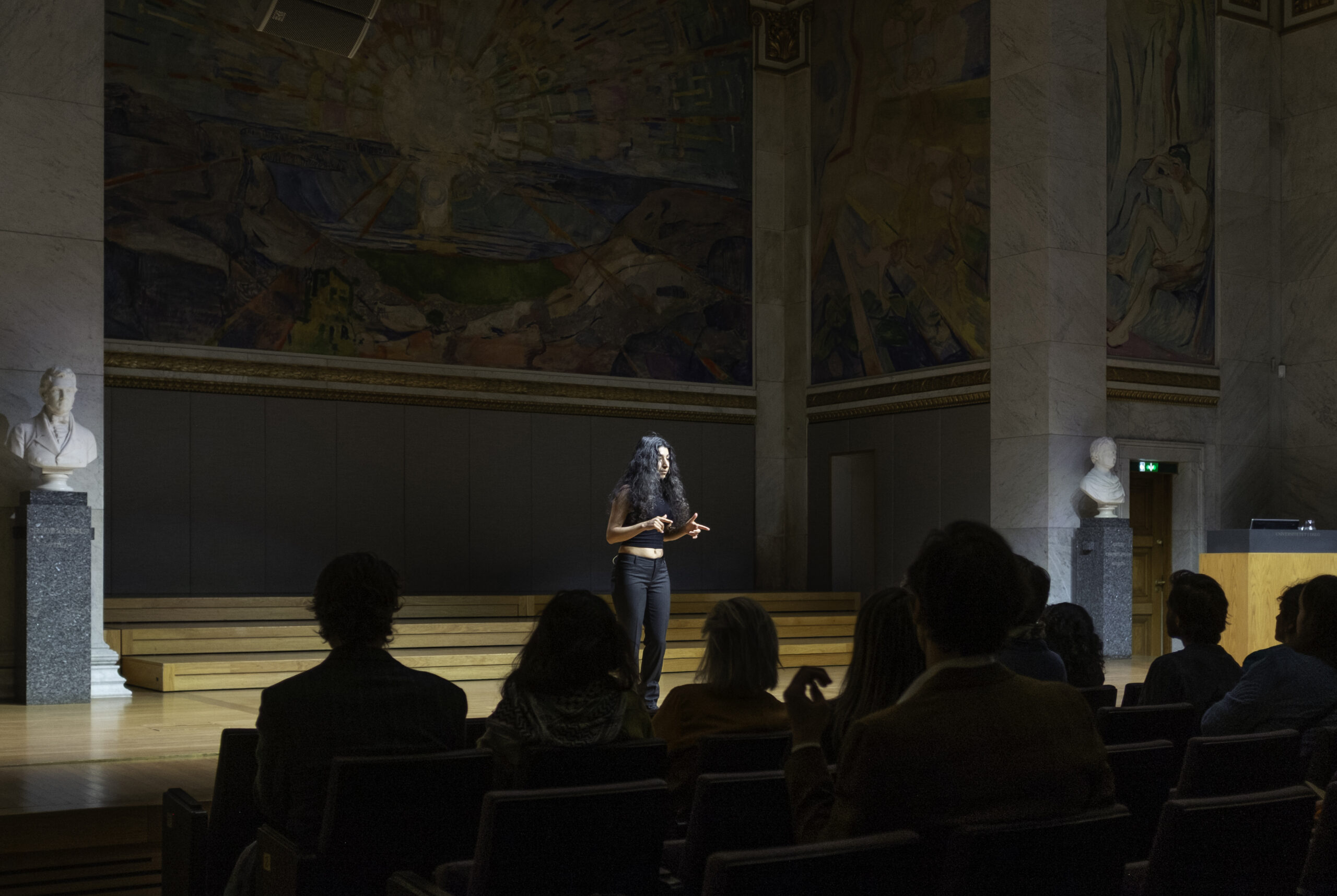
In March, the performance served as an artistic intervention during the panel discussion on Art as resistance and defence at Riksscenen, where Tara also participated as a speaker. In April, I Want to Speak opened the conference Voices in Public Art, organized by Mesén in collaboration with The Finnish-Norwegian Cultural Institute, followed by a screening of the film from the Voice project.

"I Want to Speak", performance, "Voices in Public Art" conference, Oslo, Norway, 2026 (Photo: Aliona Pazdniakova)
"Voice Project", video, screening during "Voices in Public Art" conference, Oslo, Norway, 2026 (Photo: Aliona Pazdniakova)

Later in April Tara has opened her own atelier to the public during Oslo Open 2026, presenting a series of new paintings created during her residency alongside a large-scale work in progress. The installation will be shown at the Lyse Netter Art Festival in Moss in June, after which she will continue developing a new installation for Hvitsten Salong in Hvitsten, where it will be presented in August.

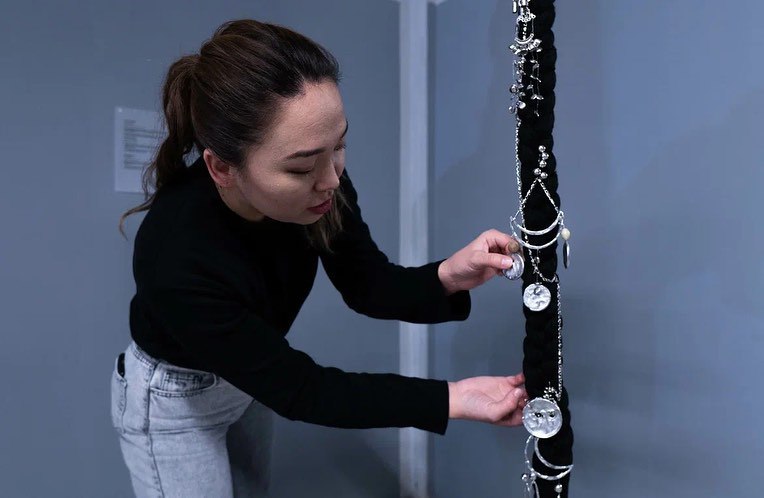
"Braids", work-in-progress, Tara´s atelier, Oslo Open 2026, Oslo, Norway, 2026, (Photo: Aliona Pazdniakova)

The new work in progress she is currently working on is constructed from hundreds of meters of braided black plastic bags – a material that simultaneously evokes fragility, resilience, and survival. The installation draws on a painful contemporary event.

– During attacks carried out by radical Islamist groups against Kurdish communities in Syria, the cutting of a Kurdish woman fighter’s hair became a symbolic act of domination, humiliation, and control, Tara clarifies.

By reconstructing braids from discarded plastic, she reclaims this violent gesture and transforms it into a symbol of resistance and endurance. What was intended as an act of erasure becomes, in her work, a monument to persistence, dignity, and collective memory.

Tara often says that the possibility of realizing a new project is what makes her truly happy. In Iraq, artistic initiatives are frequently hindered by political, social, and institutional obstacles. Even when opportunities arise, they are often uncertain and delayed. The ability to develop and produce work freely is therefore something she does not take for granted.

– I feel most at peace when I am working. Artistic creation provides a sense of purpose and direction. When the work stops, I am immediately confronted by dark memories, traumatic experiences, and anxieties about the future, Tara explains.

Art has become not only her profession, but also a way of processing the realities she has lived through.

The residency in Norway offers me a rare and valuable safe space. It allows me to deepen my artistic research, explore Nordic and European art contexts, and expand my professional network.

Most importantly, it gives me the freedom to develop and produce new projects that I may not be able to realize in my home region. I hope to create new works, experiment with scale and materials, and engage in meaningful dialogue with local institutions and audiences.

– Tara Abdullah

Xuan Trang Nguyen Thi: From Freedom Of Acceptance Towards The End Of War

What does it really mean for a war to end?
Vietnamese filmmaker Xuan Trang Nguyen Thi reflects on memory, identity, post-war trauma, and artistic freedom.
During her residency at Hvitsten Art Haven, she is developing Land of Evanescence – her first feature-length documentary, tracing how trauma and history are transmitted across generations, and how war continues to shape lives long after the fighting ends. Moving between cinema, installation, and personal memory, Trang considers acceptance not as resignation, but as a critical and creative practice through which new forms of freedom can emerge.

mean for a war to end?
Vietnamese filmmaker Xuan Trang Nguyen Thi reflects on memory, identity, post-war trauma, and artistic freedom.
During her residency at Hvitsten Art Haven, she is developing Land of Evanescence – her first feature-length documentary, tracing how trauma and history are transmitted across generations, and how war continues to

What does it really mean for a war to end?
Vietnamese filmmaker Xuan Trang Nguyen Thi reflects on memory, identity, post-war trauma, and artistic freedom.
During her residency at Hvitsten Art Haven, she is developing Land of Evanescence – her first feature-length documentary, tracing how trauma and history are transmitted across generations, and how...

© Safemuse Organisation - Oslo/Norway

Categories
News Safe Residencies

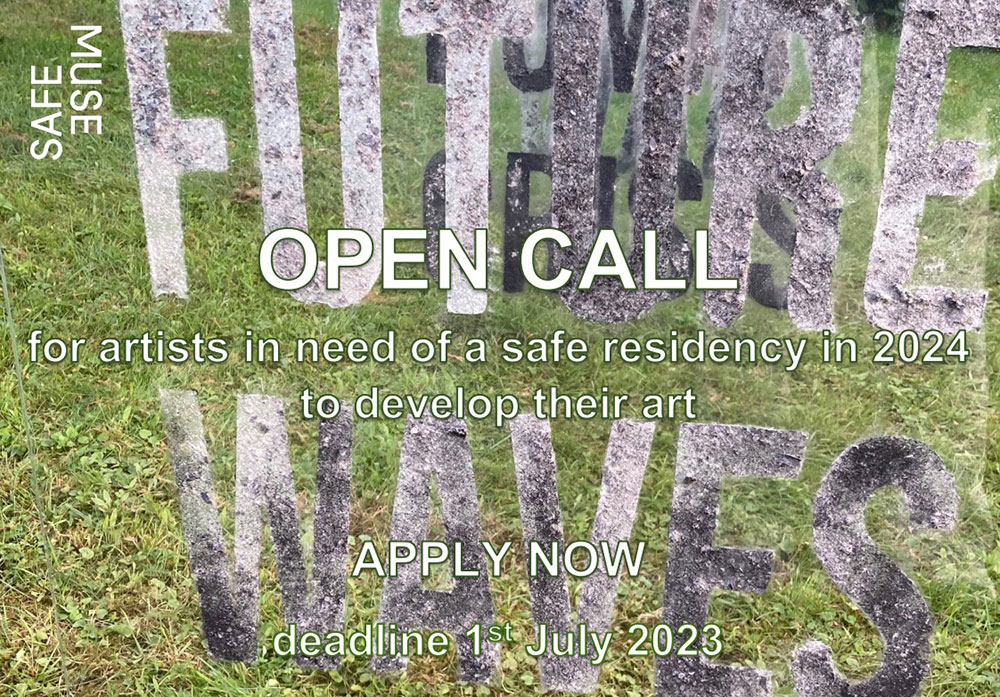
Open call for artists in need of a safe residency to develop their art

Open call for artists in need of a safe residency to develop their art

June 1, 2026

Oslo Art Haven & Hvitsten Art Haven programmes 2027/2028

In an increasingly polarised world, with tension between nations, cultures, political parties and cultural norms, a growing number of artists are encountering obstacles in the execution of their work. Artists are in many cases regarded as activists, even when they themselves do not identify with, or promote a political view or a political movement. This is especially true for female artists, artists that are queer, come from minority or indigenous groups or artists that work in genres not deemed acceptable by society or by their government. Safemuse is an NGO based in Norway that hosts safe residencies for artists, and promote artistic freedom of expression, artistic solidarity and collaboration.

The residencies

Safemuse offers safe residencies for artists that are being censored, are living under threat, or that for various reasons cannot work freely in their place of living. The residencies are usually for six months, and are run in collaboration with our local partners, and with financial support from local, regional and national institutions. We currently have two residencies in Norway: Oslo Art Haven and Hvitsten Art Haven.

Our residency programmes focus on artistic development and cooperation, and are open for artists within all artistic disciplines. The aim is to provide the artists with a possibility to get out of difficult situations, censorship or persecution, and to facilitate safe and professional environments in which the artists can concentrate on their creative processes, develop their artistry, collaborate with artists based in Norway or neighbouring regions, as well as build their own networks for professional exchange and support.

We will organise a team – consisting of a residency coordinator, a mentor, as well as advisors from Safemuse – that will coordinate and facilitate the residency and projects. Prior to arrival, we will create a plan for the content and goals for the residency together with the individual artist. We will prepare for collaborations with the selected artist and relevant institutions in Norway and explore the opportunities to present the artist’s work. The artist is not required to produce or mediate art during their stay, and the residency also offers the possibility of rest and recuperation. If the artist wishes to participate in our outreach programmes, which centres around art and society, this will be facilitated in close dialogue with the artist, but participation is not an obligation.

Safemuse will work closely with the artist when it comes to how much exposure the artist wants, and can have, during the stay, and do a risk assessment together with the artist.

Hvitsten Art Haven

Hvitsten Art Haven was established in 2022 together with the art festival- and institution Hvitsten Salong. Hvitsten is a small coastal town just 45 minutes outside Oslo and is idyllically located along the fjord. It is the home of several local artists, and the international artists who stay here are welcomed into a close-knit community. The programme facilitates all artistic genres on site or nearby. The residency is funded by the County Municipality and Arts and Culture Norway.

Hvitsten is a small community with approximately 300 inhabitants. The residency is situated beautifully and quite isolated by the sea, with 6 kilometers to the nearest store. In Hvitsten our artists live closer to a network and the coordinator of the programme. The residency will also host several small workshops and happenings during the year. The art festival Hvitsten Salong is also held on the property.

Oslo Art Haven

Oslo Art Haven was established in 2021 and has since hosted a handful of talented artists from various countries. The Norwegian capital has a thriving cultural scene and a broad artistic community working in all art disciplines and genres. The residency is funded by the Municipality of Oslo and is organised in collaboration with Nordic Black Theatre.

Safemuse has its office in the center of Oslo. The residence artists in Oslo live in apartments in the city centre or a short metro-ride away from the center. The artists based in Oslo live on their own, but our team is close by.

Practical information

The programme covers all costs connected to the artist’s travel and stay in Norway, including insurance, accommodation and living expenses. Safemuse provides assistance with the visa-application-process, but the artist is responsible for preparing all the required documentation.

NB: Be aware that the visa and permit application process to Norway may take up to eight months. The visa application should therefore be prepared and submitted as soon as possible after accepting the invitation to avoid delays. Due to the often-lengthy visa-prossessing time, the residency programme will most likely start towards the end of 2027 or in 2028. The programme does not open for an extension of stay.

The selection process will be carried out by a committee consisting of artists, representatives from art and cultural institutions, human rights advisors, and the Safemuse team.

The application process will be strictly confidential.

All applications must be submitted through our online application form (link below).

The application must include:

  • Documentation of your work
  • A thorough description of your situationregarding censorship, threats, or persecution as a consequence of your artistic practice 

Time schedule:

  • Application deadline: Wednesday July 1st 2026
  • Selection of artists: October 2026
  • Interviews: October/November 2026
  • The final decision will be made by mid-December, all applicants will receive an answer by December 18th
  • Programme duration: Approx. 6 months, artists arrive between late 2027-2028 (due to the lengthy visa-process)

About Safemuse

Originating in artist-organisations: Safemuse was born as an initiative from several artist-organisations’ wish to protect artistic freedom of expression, and artists’ role in society, an international solidarity initiative working to support safe spaces where artists could create and develop, no matter which country they resided in. The answer became to create safe residencies for artists at risk, where they could develop their art.

Safe spaces: Safemuse creates safe spaces. We promote a diversity of voices and work to ensure that artists from minority groups are seen and heard.

Focus on the artist and the art: Safemuse gives artists the centre stage. We work to give artists room to create, and we contribute to artistic development, building networks and publishing/presenting.

Artistic cooperation: Safemuse cooperates with organisations that work for artists, artistic freedom and human rights. To promote this, we create networks nationally and internationally. 

Artistic development: Safemuse supports artistic development. Through a large network, and knowledge of how to work as an artist we organise and coordinate so that the artists in residencies can work and focus on their art.

Artistic freedom: Safemuse works to highlight the importance of artistic freedom of expression through political engagement and cooperation with organisations at home and abroad. We work to put artistic freedom of expression on the agenda, and to make this a focus within artistic- and cultural organisations.

About our partners

Nordic Black Theatre

Nordic Black Theatre is our partner in the Oslo Art Haven programme. Nordic Black Theatre is a self-run theatre foundation established in 1992. The core activity is theatre production, but they also work with a wide range of partners in Norway and abroad. From humble and challenging beginnings Nordic Black Theatre has grown into a well-respected theatre institution that receives funding from the Norwegian Ministry of Culture and Oslo City Council. They also run the theatre school Nordic Black Xpress (NBX) through which they work with developing young transcultural actors.

Hvitsten Salong

Hvitsten Salong is our partner in the Hvitsten Art Haven programme. Hvitsten Salong is an artist-driven project that seeks a site specific- and historical approach. Hvitsten has been a place where several of Norway’s most important artists have lived and worked at the end of the 19th century and the beginning of the 20th century. Painters and illustrators as Edvard Munch, Theodor Kittelsen, Christian Krogh, Oda Krogh, Oscar Wergeland and Hans Jæger lived and, or worked here throughout their careers. Hvitsten Salong organizes an annual art festival, in addition to several smaller events and creating a platform for professional dialogue with contemporary artists. Their vision is to give artists an opportunity to put themselves in the periphery of Norwegian art history and to compliment the national and international art scene with an exciting, progressive and innovative environment in Hvitsten.
Xuan Trang Nguyen Thi: From Freedom Of Acceptance Towards The End Of War

What does it really mean for a war to end?
Vietnamese filmmaker Xuan Trang Nguyen Thi reflects on memory, identity, post-war trauma, and artistic freedom.
During her residency at Hvitsten Art Haven, she is developing Land of Evanescence – her first feature-length documentary, tracing how trauma and history are transmitted across generations, and how war continues to shape lives long after the fighting ends. Moving between cinema, installation, and personal memory, Trang considers acceptance not as resignation, but as a critical and creative practice through which new forms of freedom can emerge.

mean for a war to end?
Vietnamese filmmaker Xuan Trang Nguyen Thi reflects on memory, identity, post-war trauma, and artistic freedom.
During her residency at Hvitsten Art Haven, she is developing Land of Evanescence – her first feature-length documentary, tracing how trauma and history are transmitted across generations, and how war continues to

What does it really mean for a war to end?
Vietnamese filmmaker Xuan Trang Nguyen Thi reflects on memory, identity, post-war trauma, and artistic freedom.
During her residency at Hvitsten Art Haven, she is developing Land of Evanescence – her first feature-length documentary, tracing how trauma and history are transmitted across generations, and how...

© Safemuse Organisation - Oslo/Norway

Categories
News Project Safe Havens Safe Residencies

Nurperi Orunbaeva: Decolonising the Self through Artistic Practice and Reimagining Ancestral Heritage

Nurperi Orunbaeva: Decolonising the Self through Artistic Practice and Reimagining Ancestral Heritage

September 18, 2025

Written by Aliona Pazdniakova

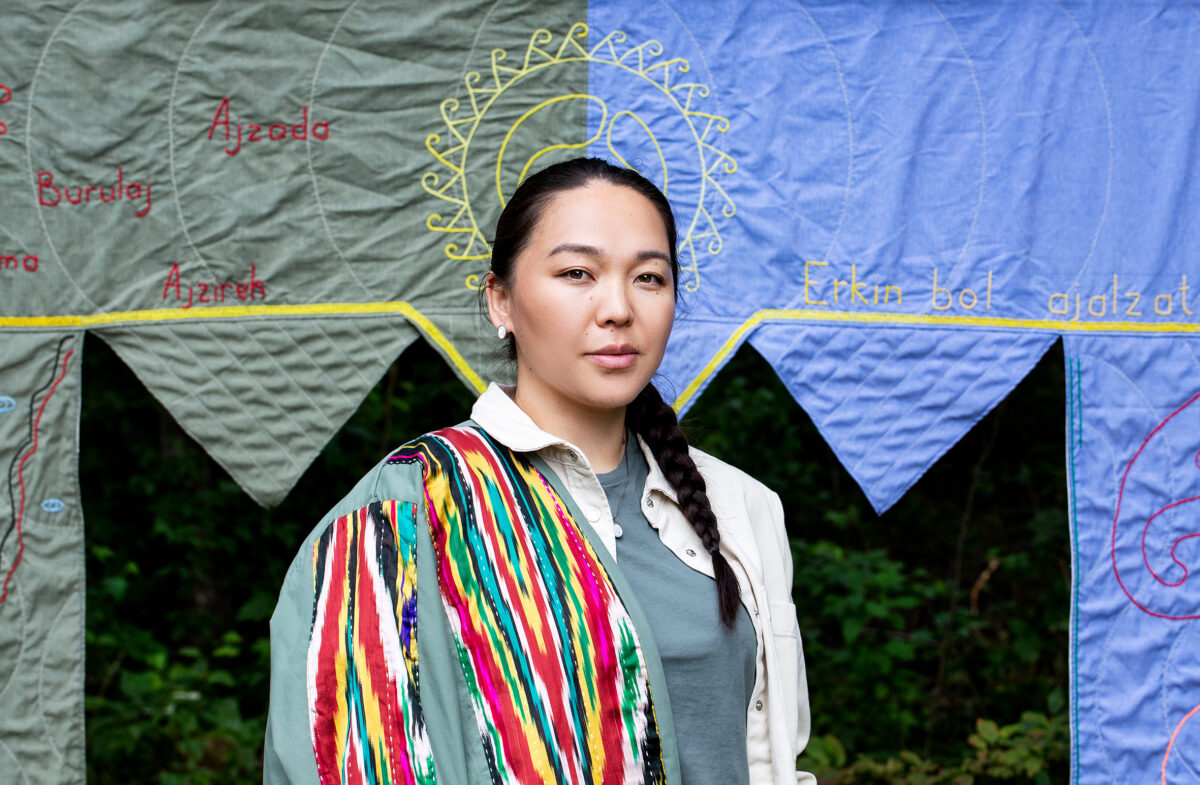
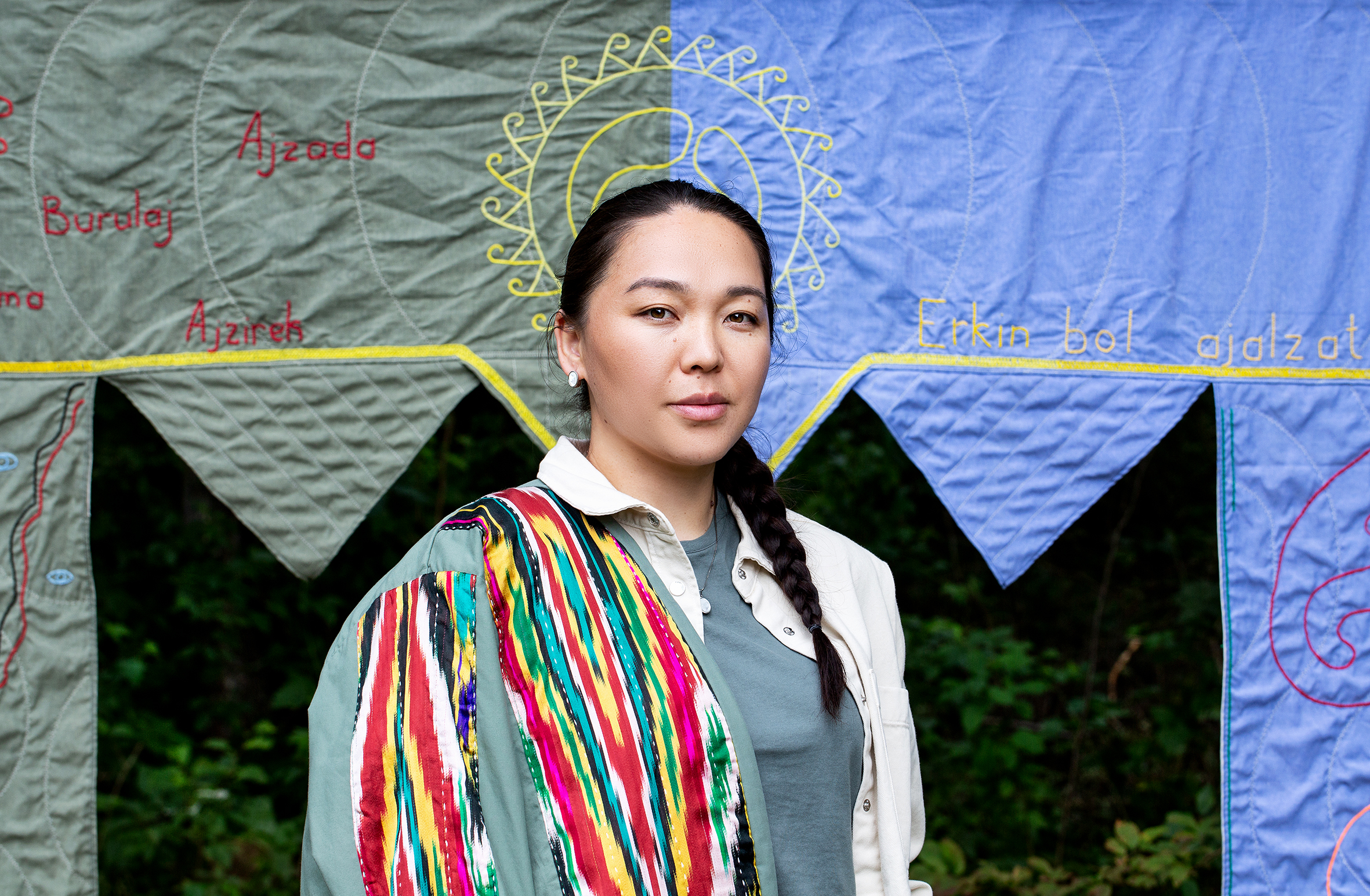
Nurperi Orunbaeva in front of her work "My Heritage" at Hvitsten Salong 2025 (Photo: Aliona Pazdniakova)

Nurperi Orunbaeva (b. 1994) is a multidisciplinary artist, curator, art activist, and advocate for women’s rights based in Bishkek, Kyrgyzstan. Her artistic practice encompasses a diverse range of media, techniques, and scales, including wall painting, painting, graphics, sculpture, installations, textiles, and more. Nurperi’s artistic approach integrates a conceptual framework with a direct statement and bold expression. Her unwavering commitment to women’s rights, the historical legacy of her nation, and its cultural heritage serve as the foundation for her artistic ideas. In many of her works, she addresses the experiences of women subjected to suppression and violence, yet they persist in their pursuit of light. Nurperi delves into the past, reflecting on the darkest chapters in her nation’s history. Through her installations, she juxtaposes the past and present, presenting them in a contemporary context.

From June 2025, Nurperi is an artist in residence at Hvitsten Art Haven. During this period, she anticipates making new connections and friendships within the Norwegian art world, as she firmly believes in the transformative power of community in combating oppressive systems. She emphasises, that only together can we make a meaningful change. Peri seeks a break from her customary routine and the daily challenges of securing employment and pursuing small projects. She appreciates the opportunity to simply engage in her artistic practice without the constraints of risk, judgment, or persecution. She enjoys visiting Norwegian museums and galleries, as art and history are her profound passions and driving forces in life. The opportunity of participating in diverse cultural events and exhibiting her work fills Peri with immense joy.
Art as an act of courage

“I dedicate my life to culture and art” – this stand-out sentence was written by Peri in her residency application.

Peri’s journey into the art world is a captivating story. Initially pursuing a career in medicine, she successfully completed her studies and worked as a dentist for a period following her graduation. However, the tumultuous years of 2019 – 2020, marked by the pandemic, catalysed a profound transformation in her life. Dramatic events transpired in Peri’s life and the lives of her friends and family, all the injustices of society made her realise that the oppressed position of women was the theme she cared most about. This, coupled with the feeling that she did not want to be a dentist but rather was compelled to fulfil her family’s expectations and pursue a “proper” profession, led Peri to make a radical decision. On January 1, 2021, she resigned from her medical career and joined her community as an artist, immediately engaging herself in all possible artistic activities. However, she describes this decision as natural and light-hearted, as being an artist had always been the dream of her life.

– All my childhood and youth, I closely observed my grandparents, parents, and all the relatives, witnessing their proficiency in various crafts. It was inevitable that I would inherit these skills and develop a knack for them. My keen eye, sharp memory, inventiveness, and innate sense of justice have contributed to the development of my conceptual vision. I became a repository of not only my personal history but also the collective history of my family and nation. Thanks to a long search for myself, I picked up a lot of handcrafts and techniques. I strive to apply these acquired knowledge effectively in my artistic practice, using them to tell the important stories, Peri tells.

Art for Peri is deeply intertwined with the concept of freedom of expression, which she perceives as a fundamental capacity and the courage to create. This profound understanding of art has been shaped and reinforced by her life experiences and personal growth. Throughout her life, she has been subjected to various restrictions and pressures stemming from propaganda and the rigid norms of patriarchal society.

Kyzyl Kamchy, Femicide, Not Jewellery, Sanzhyra, Mountains of Sorrow, Peris – in her works, Peri explores themes of violence, memory and identity. Through her artistic expression and craftsmanship, she weaves a solid narrative comprising various interweaved pieces.

– My area of interest encloses both personal motivation and social engagement. Occasionally, I experience an overwhelming desire to express my views, and certain installations serve as a medium that helps to do it. At other times, I am deeply concerned about the state of my society. While I´m inside my community where everyone shares similar values and interests, I remain oblivious to the rough things that surround us. However, when I´m unexpectedly outside of my environment, on my way home or during a walk, I suddenly realise how ignorant and evildoing our society is.

I derive pleasure from experimentation, as each new idea presents a challenge that I enjoy solving. I find satisfaction in this process. While some facts from the past or present serve as my starting point, I often deviate from this factual material to create a work based on my intuition and interpretation. This process adds an extra layer of significance and conceptualization to my works, Peri reflects.

“I would kill her anyway”

Kyrgyzstan, a country rarely mentioned in our local news channels, is experiencing a flourishing authoritarian regime that particularly affects vulnerable and minority groups, including women, LGBTQ+ community, and artists who have bravely spoken out for women’s and queer´s rights. At home, Peri and her colleagues face numerous challenges. They struggle to secure financial support, working space and exposure for their projects, while simultaneously working under the constant threat of censorship and persecution. Discussing women’s rights is not appreciated by the patriarchal society, and mentioning the struggles of the queer community is considered LGBTQ+ propaganda, leading to potential repressions, fines and arrests.

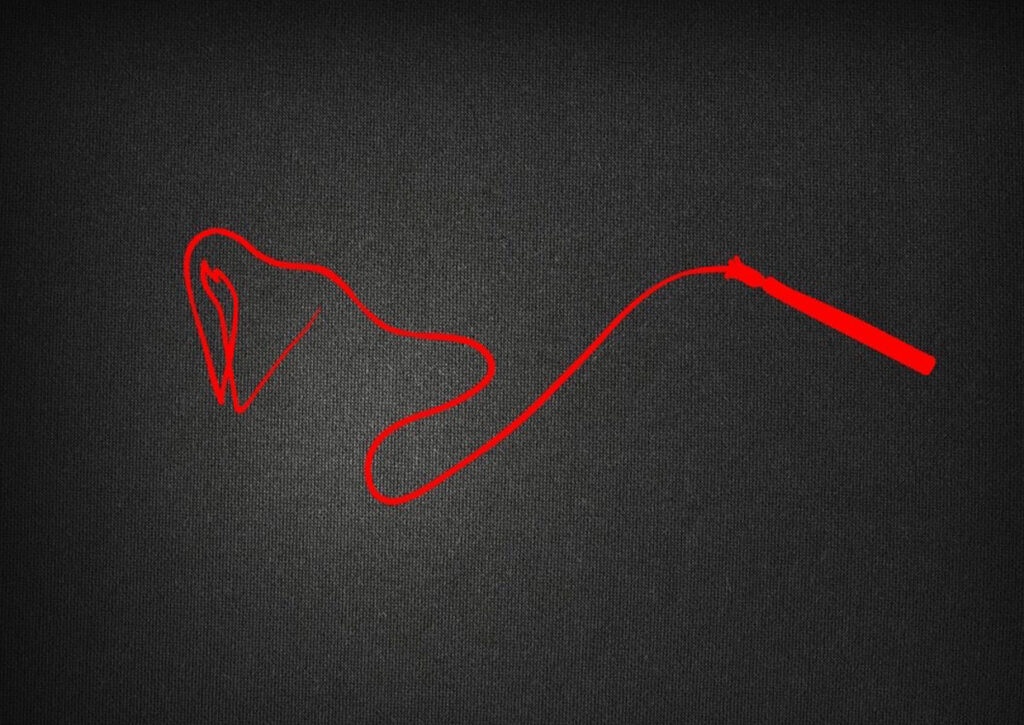
In one of her first works titled “Kyzyl Kamchy”, Peri addresses the subject of domestic violence. She created this piece in response to the pandemic, which brought to light an alarming rise in domestic violence cases. The title “Kyzyl Kamchy” translates from Kyrgyz as “Red Whip”, derived from the blood of women who have been beaten by their husbands.

"Kyzyl Kamchy" / canvas, acrylic, 2022 (Photo: Nurperi Orunbaeva)

I intended to make this artwork in a manner that would be easily comprehensible and recognisable by all Kyrgyz people and everyone who encounter it. I wanted to express the horror of female violence by a single thin line. Each red whip tells a story of pain, survival, or death of a woman. The statistics of female violence is horrific. There is a wish to collect all existing red whips and throw them out of our lives, so that we can finally release our fears and exit this hell of violence.

— Nurperi Orunbaeva

In her next work, Peri expanded the scope of this topic, creating an installation titled “Femicide”.

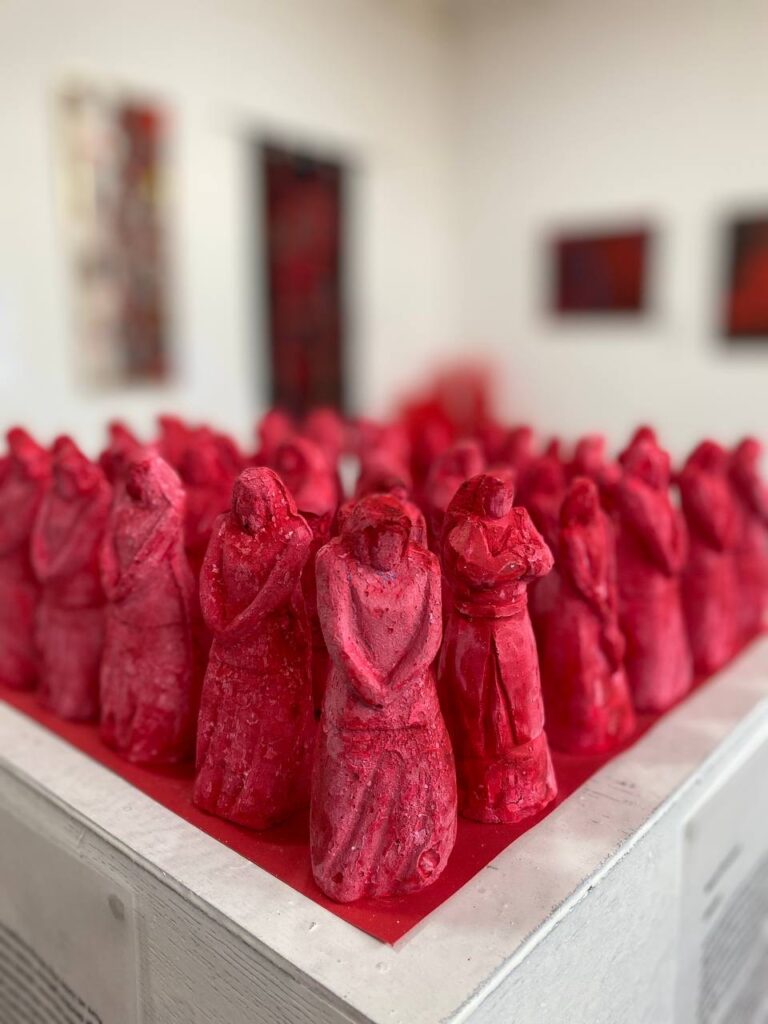
The installation comprises 762 female figures. It is based on a study conducted in Kyrgyzstan that documented 762 criminal cases categorised under the article “Murder” involving the killing of women. Notably, most of these murders were perpetrated by men, with 75% of cases involving individuals who knew the victims, such as intimate partners, relatives, or friends. This alarming and silent data quantifies the magnitude of the tragedy, and the profound sense of vulnerability experienced by women, prompting Peri to create this work in a manner that aims to evoke an understanding of the scale of horror within her society.

"Femicide" / gypsum, acrylic, 2022 (Photo: Nurperi Orunbaeva)

The idea of this installation originated from Peri’s encounter with a research paper “I would kill her anyway,” authored by KLOOP, an organisation prohibited in Kyrgyzstan.

– The fact that there is violence is known everywhere, but not everyone admits this. I have personally witnessed it within my own family, among my relatives, neighbours, and the families of my friends, all around. Upon reading the research, I was deeply moved, particularly by the fact that men often failed to comprehend the gravity of their actions, overlooking domestic violence as an acceptable norm. Some of them had been planning to kill their wives for several months, and many expressed no regrets for their crimes. The pervasive nature of this violence throughout our lives and the lack of understanding of its wrongfulness have left an indelible mark on us all, perpetuating a sense of injustice. I know so many stories of femicide. They tortured me from inside until I began to talk about them through my works. This is my form of fight for the lives and liberation of women, us, Peri emphasises.

Revisiting traditions

Kyrgyz cultural heritage and traditions, which both characterise and affect Kyrgyz society, hold a significant place in Peri´s works. The controversial nature of many of the traditions, shaped within the context of male dominance, often serves as a catalyst for Peri´s artistic process. She makes an example:

– For instance, there exists a tradition known as Ala Kachuu, which involves the kidnapping of young women with the intention of marrying them. This practice often entails severe violence, confinement, and rape. The abducted girl is left hopeless, this is the end for her, as there is no chance to escape the captor’s house, due to the shame, as it will leave her with a “scar” that would haunt her and her family for the rest of her life. In certain cases, the abducted girl may remain married to her captor for the entirety of her life, while in other instances, the marriage may dissolve within a single year.

“Not Jewellery” installation by Peri is a work that draws inspiration from traditional Kyrgyz crafts and serves as a commentary on the ambivalent nature of patriarchal traditions in Kyrgyz society. While many Kyrgyz traditions are beautiful, solid, and rich, they often play a role of a camouflage for the promotion of patriarchal values. These traditions frequently marginalise female roles, labour, and restrict women’s rights and freedom. These rigid traditions do not decorate society but rather highlight its weakness and impediments to development. Each ring of jewellery cast from lead in this installation is referred to “uyat,” which symbolises the burdensome legacy of patriarchal values that have been passed down through time.

"Not Jewellery" / lead one-piece molding, weaving, 2023 (Photo: Cholpon Asanakunova)

All actions, statements, and events that contain malevolent intentions to humiliate, insult, or kill women do not decorate; this is the ugliness of society.

—  Nurperi Orunbaeva

In her work “Sanzhyra” Peri refers to the genealogical book, an ancient spiritual heritage of the Kyrgyz people, that was disseminated orally from generation to generation. This knowledge serves as a means of familiarising individuals with their ancestors and relatives, with the primary objective of preventing incest. In her installation, Peri highlights the absence of female names in her family’s lineage, a genealogical tree that disregards their vital roles and denies their contributions. Through her work, Peri seeks to reclaim the place and recognition of these women.

– During my childhood, we were instructed to become familiar with the names of our relatives and to trace our family lineage predominantly on the paternal side (we were required to know 7 names of our paternal side), where female names were notably absent. My sisters and I frequently questioned this practice, as we were unable to find the names of our grandmothers and mother. We experienced a strong sense of injustice and decided to write our names in the book after our father’s names – it was so much fun, Peri recalls.

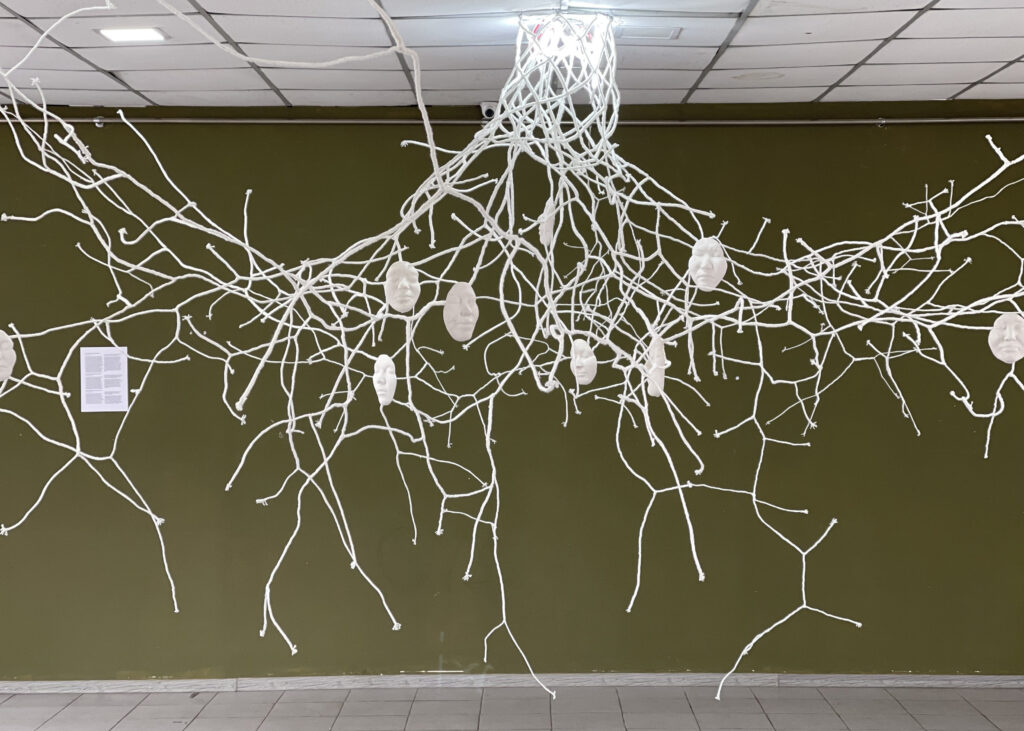
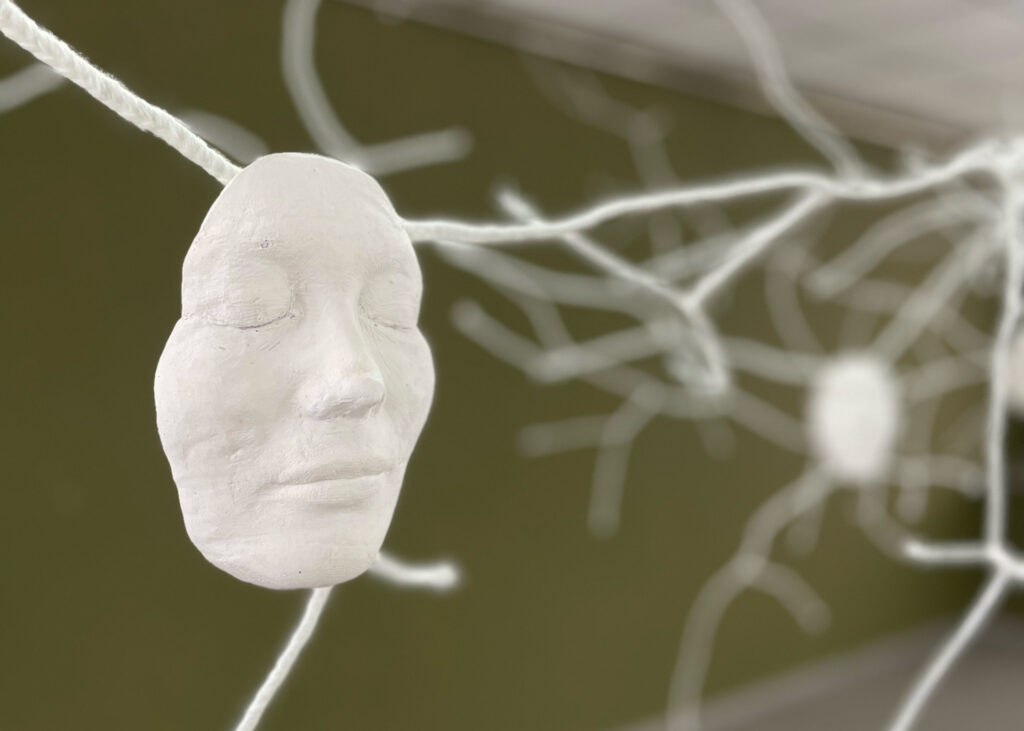
In Kyrgyz culture, Sanzhyra is often depicted as a tree. In her own female Sanzhyra, Peri employs a metaphor of tree roots, creating a network of women that symbolises the fundamental origin of any genealogy. Alongside large, white roots resembling long white braids of her grandmothers, there are faces of her colleagues and friends, women from MoFA+, connecting several generations of women. This installation effectively weaves together the subtle presence of heroic female figures of the past with contemporary activists fighting for female rights, making it a vibrant representation of the vital force that sustains our lives.

"Sanzhyra" / gypsum, acrylic, 2023 (Photo: Nurperi Orunbaeva)

I believe that the invisible role of women is like these roots: without them the tree would not have sprouted so huge! I deeply respect and actively explore the female lineage in my family history. It’s very important to me. I experience an intense sense of warmth and deep connection to my mother’s line, when I´m working. I perceive my role as a means of honouring women in our genealogy and visualising the profound bond between mothers and women in general.

—  Nurperi Orunbaeva

Reclaiming the self

In patriarchal societies, women often grapple with a profound and shared identity crisis stemming from their oppressed position. While acknowledging this injustice, many women succumb to apathy, dismissing any potential for change and ultimately failing to fully embrace their authentic selves. Those who dare to stand up, raise their voices and try to challenge these suppressed conditions encounter an abyss as they search for who they are, a question that was suppressed during their childhood and youth, denying them the opportunity for exploration.

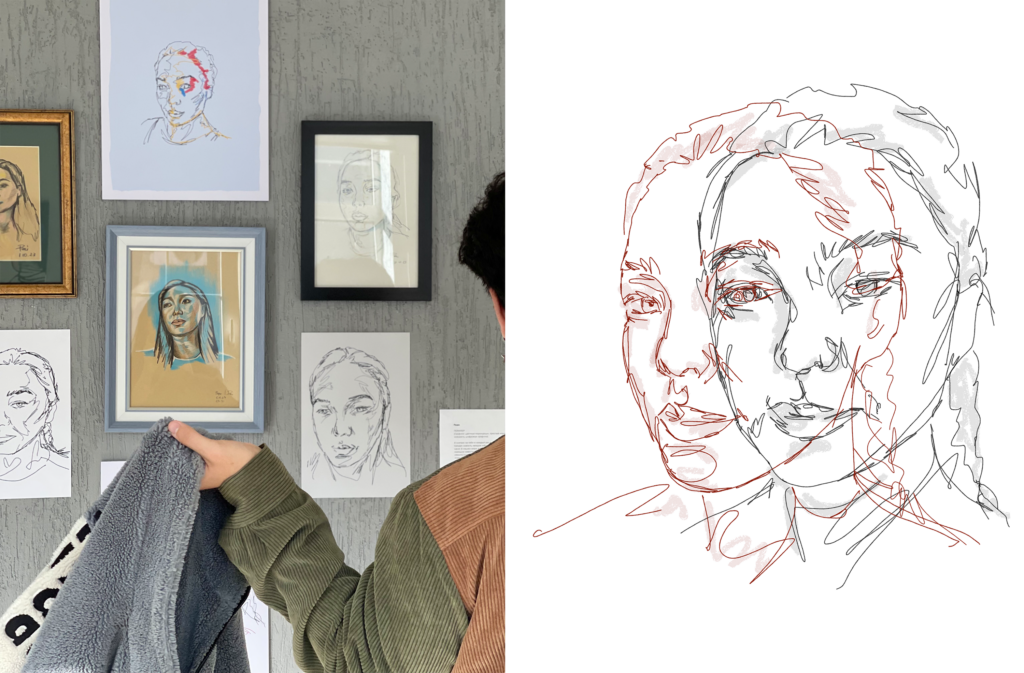
In her work titled “Peris”,  Peri initiates a journey of self-discovery by simply gazing into the mirror and drawing what she sees. As she recognises that each time she engages in this process, she discovers a new version of herself, she decides to dedicate herself to this endeavour without rushing it. Her intention extends beyond mere identity exploration; she yearns to embrace this transformative journey with joy and find a sense of self-return, seeking for re-connection with the authentic self that was once taken from her and remains elusive.

"Peris" / graphic, pencils, craft paper, watercolour, digital graphic, 2023 (Photos: Nurperi Orunbaeva)

– During the pandemic my ground was severely shaken, I had to save myself but also my friends: I had to claim their salaries, deal with threats and blackmail, work tirelessly, and strive to survive. Additionally, I had to provide for my entire family, who were facing significant hardships. One day, as I was walking through one of the corridors, I noticed a silhouette that was moving at the same slow pace as I was. I stopped for a moment and then realised that the silhouette was my reflection in the mirror. I did not recognise myself: my eyes, hair, and features were all foreign to me.

At the age of 26, with my parents still alive, I had transformed into an exhausted, shapeless, dull, and grumpy girl. I had never been able to express myself because I had to be a good girl. No questions about the identity, relationships, or personal development. Then, I began to wonder when this all had started and how it had gone so wrong. I realised that for a long time ago I had been lost in siblings and all my responsibilities.

I´m the first child of my parents, in addition, I´m a daughter. This means that all my life I had to be a third parent, not only for my siblings, but also for my parents. I was never allowed to be a child.

Since my early childhood, as a first-year schoolgirl, I have memories of coming back home after classes and washing asses of my sisters, then cooking food to them, then cleaning the house. This lasted for a very long time. I separated with my parents when I was 29, and only since then did I start to live my own life, I began to take care of myself, invest in myself, listen to myself and love myself, Peri shares.

The driving force of the community

During the Covid, Peri realised that she is not alone in her process and that she was part of a supportive community of women facing similar challenges and seeking solutions. In 2022, she joined MoFA+, where she has progressed through various roles, including volunteer, artist, and curator.

The Central Asian Museum of Feminist and Queer Art (MoFA+) was established in 2019 following the successful exhibition “Femminale”.

– The first Feminnale was a groundbreaking event that garnered substantial attention and resonance. It appears everyone got to know about the exhibition. The public was shocked, and authorities were offended, leading to their immediate attack on the organisers. Altyn Kapalova (one of the MoFA´s founders) suffered greatly from this. Although I was not present at the exhibition, I closely followed the unfolding events on social media, witnessing a real hunt that has begun from all possible sides.

Since the legalisation of the “Propaganda of LGBT” law, our partners and investors (who were relatively few) have stopped their collaboration with MoFA+. We were ordered to cease discussing women’s rights. We have lost our studio and the museum´s art archive had to be relocated and stored at Altyn´s house. Our salaries were dependent on fees generated from participating in projects, and despite our attempts to operate underground, the combination of financial constraints and prohibitions rendered the museum’s functioning impossible. As a result, we are currently taking a so called “creative vacation”, Peri explains.

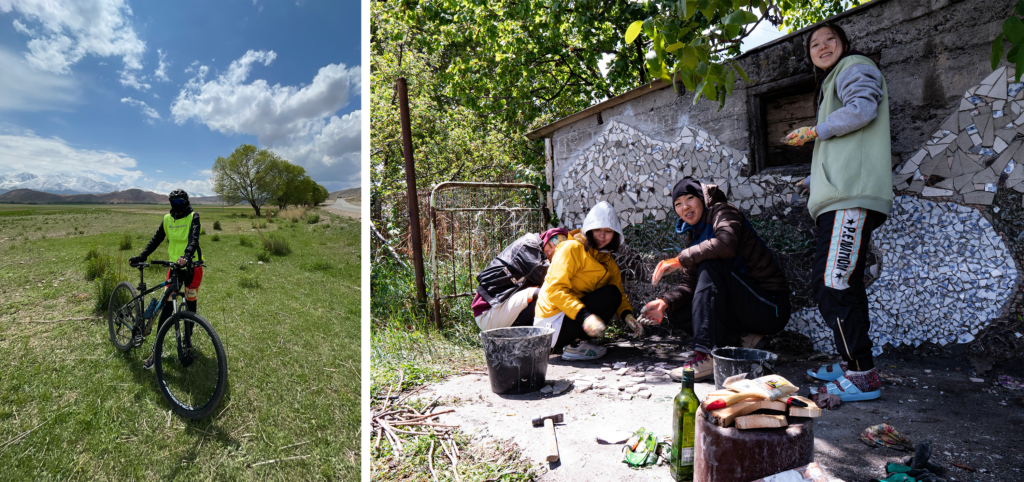
During the first promising years of MoFA´s life, Peri actively participated in numerous projects, engaging in various creative endeavours such as making artworks, helping with photo and video documentation, taking part in and curating exhibitions and Buddhist art expeditions, as well as art bicycle rides.

Art bicycle ride around lake Ysyk-Köl, 2023 (Photos: Ayka and Cholpon Asanakunova)

– To organise art bicycle rides for female artists, feminists and women supporting other women and the queer community, was the big dream of Altyn.

Ones she made a research based on a questionnaire made to fellow female artists where she asked, amongst other things: “Are you free?”, where the answers were predominantly “yes”. However a subsequent question  “Whom do you usually ask for the allowance to meet your friends?” was followed by the replies: “My husband, or my father, or my brother”.

The purpose of the art bicycle ride was to demonstrate to women in Kyrgyzstan and Central Asia that we truly possess freedom of movement, Peri describes.

The bicycle ride around lake Ysyk-Köl, which took seven days, has already occurred twice in 2022 and 2023. Peri recounts her exhaustion during the first attempt, describing herself as ambitious, passionate, but very inexperienced as a cyclist.

– During the first ride my face flushed a vibrant red due to all the intense wind and hardcore cycling, and only the strong spirits could sometimes help, Peri recalls, laughing.

Art as a form of resistance and empowerment

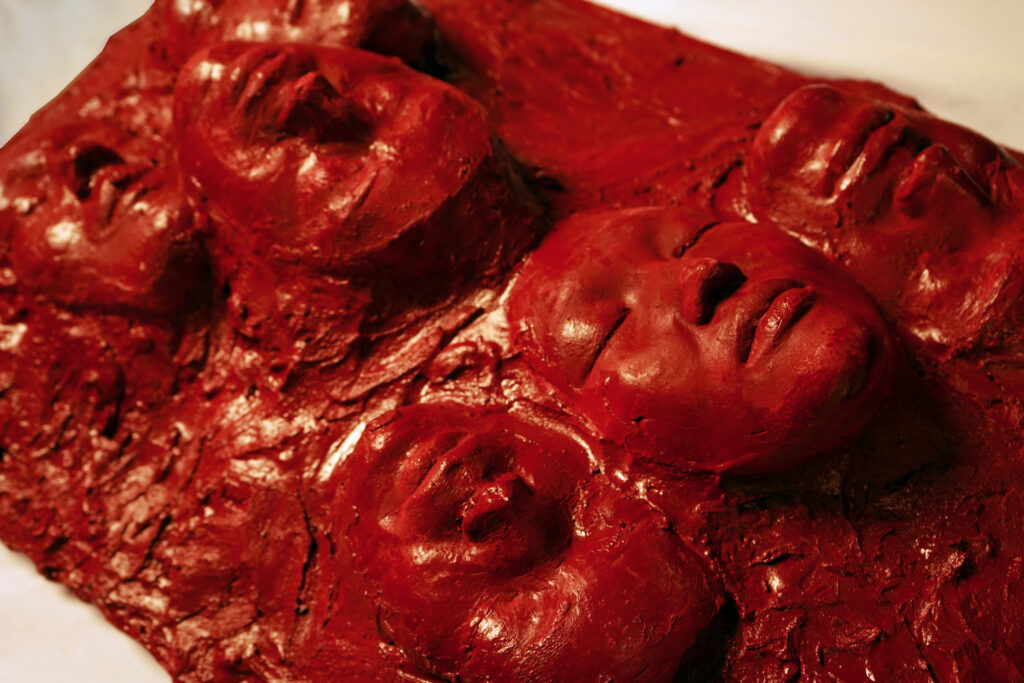
However, in the second ride, she had already assumed the roles of organiser and curator. During this ride, Peri also managed to create an installation titled “Mountains of Sorrow”, in which she reflects on the tragic events in the history of her nation.

"Mountains of Sorrow" / gypsum, acrylic, 2023 (Photo: Nurperi Orunbaeva)

This ride delves into the tragic history of the Ürkün, a horrific act of ethnic cleansing perpetrated by the Russian Empire in 1916. During this campaign, approximately 40 to 60% of the Northern Kyrgyz population was systematically murdered by Russian forces. Additionally, vast territories were colonised, and numerous animals and treasures were plundered. The genocide compelled countless individuals to flee to China in search of asylum.

“Ürkün” is derived from the Kyrgyz verb “ürküü”, which directly translates to “to shy away in fear” or “to run in panic and recklessly from danger.”

– This word is applicable only while talking about animals, not humans. We thought, it precisely describes the genocide and persecutions committed by the Russian Empire on the territories of Kyrgyzstan. We were collecting the stories of families affected by this horrific mass murder, survivors who returned from China. One such story was recounted by the grandchild of the village major, who vividly described how his grandfather saved his village, but not without the greater cost. He has shown us a mountain that was covered in dead bodies. In my own work, I refer to this story as I wanted to re-create this bloody mountain, which many were unable to climb over, Peri tells.

During Peri’s artist talk in Hvitsten, she emphasised that her artistic practice, as well as those of other women in MoFA+, serves as a form of resistance against the oppressive structures of patriarchal society and colonialism. Their primary objective is to reclaim their personal identities and the identities of their nations, which have been stolen from them.

In her artistic activity, Peri bravely and boldly takes a space, presenting her own unique perspective on both her local social and global contexts.

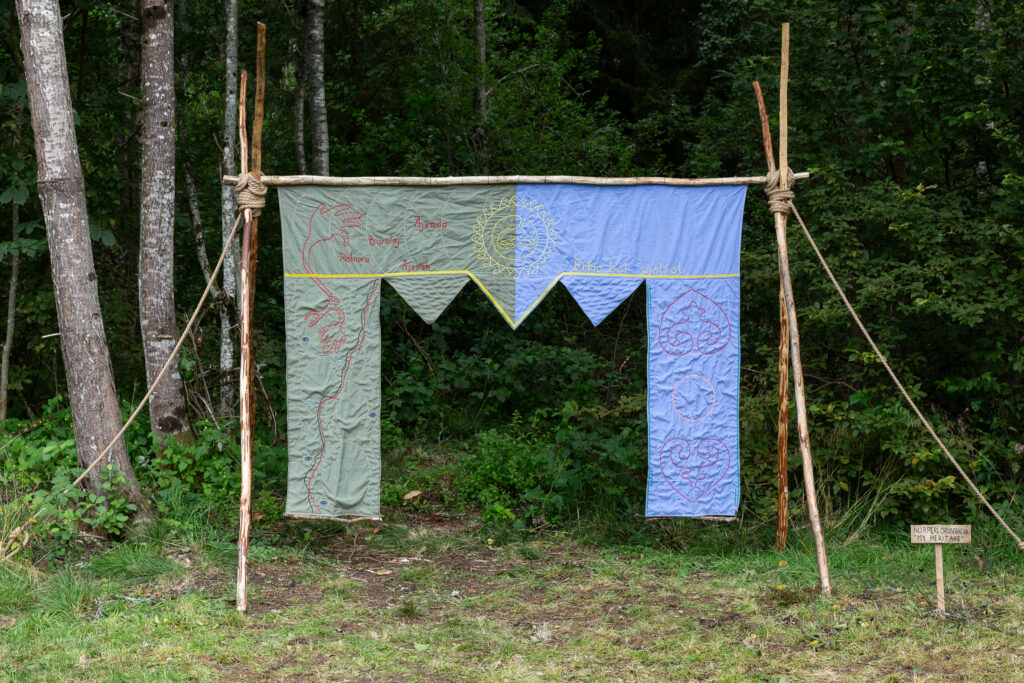
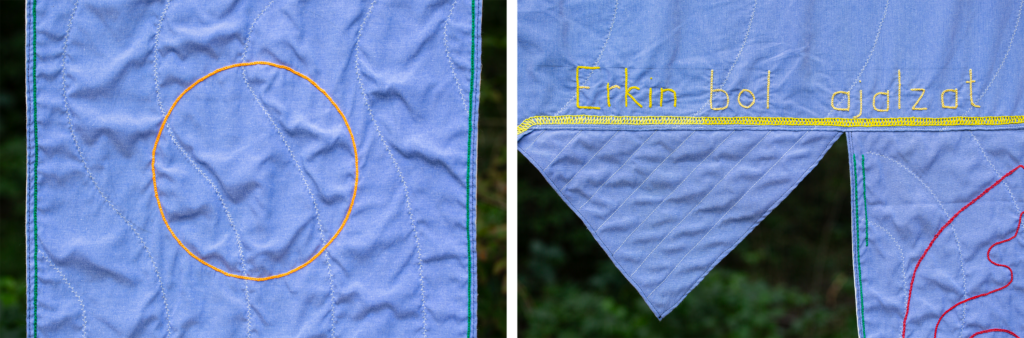
For the Hvitsten Salon 2025, she crafted a textile art piece entitled “My Heritage”. This work is rooted in the Tushtuk tradition, a unique inheritance passed down from a mother to her daughter. Traditionally, every mother begins preparing her tushtuk for the daughter upon her birth. It is scrupulously handmade from intricate patterns imbued with symbolic meanings, often interwoven with prayers, wishes, and aspirations for a prosperous and fulfilling marriage for her daughter.

"My Heritage" / textile, sewing, embroidery, 2025 (Photos: Aliona Pazdniakova)

Embracing the tradition while asserting her own interpretation, Peri makes her personal version of tushtuk that she dedicates to all the daughters of the world. She highlights:

– My work is a legacy for all the daughters of the world. It serves as a testament to the empowerment of women, inspiring generations to break free from the constraints of traditional roles. It is not an expectation to be passive and obedient wives, nor is it a demand to silence our voices. Instead, it is a call to embrace our true selves and seek liberation from the oppressive structures imposed by patriarchal societies.

In addition to the names of victims of femicide and her personal choice of symbols, on the front of her tushtuk, Peri embroiders the sole wish that is both a spell, a mantra, and a call to action: Erkin bol ajalzat! – Be free, women!

Xuan Trang Nguyen Thi: From Freedom Of Acceptance Towards The End Of War

What does it really mean for a war to end?
Vietnamese filmmaker Xuan Trang Nguyen Thi reflects on memory, identity, post-war trauma, and artistic freedom.
During her residency at Hvitsten Art Haven, she is developing Land of Evanescence – her first feature-length documentary, tracing how trauma and history are transmitted across generations, and how war continues to shape lives long after the fighting ends. Moving between cinema, installation, and personal memory, Trang considers acceptance not as resignation, but as a critical and creative practice through which new forms of freedom can emerge.

mean for a war to end?
Vietnamese filmmaker Xuan Trang Nguyen Thi reflects on memory, identity, post-war trauma, and artistic freedom.
During her residency at Hvitsten Art Haven, she is developing Land of Evanescence – her first feature-length documentary, tracing how trauma and history are transmitted across generations, and how war continues to

What does it really mean for a war to end?
Vietnamese filmmaker Xuan Trang Nguyen Thi reflects on memory, identity, post-war trauma, and artistic freedom.
During her residency at Hvitsten Art Haven, she is developing Land of Evanescence – her first feature-length documentary, tracing how trauma and history are transmitted across generations, and how...

© Safemuse Organisation - Oslo/Norway

Categories
Event

12 November, Album release of “Qaf” by Ghawgha @Nasjonal jazzscene, Oslo

12th of November, Album release of “Qaf” by Ghawgha at Nasjonal jazzscene in Oslo

On the 12th of November, Ghawgha will release her album “Qaf” at Victoria Nasjonal Jazzscene in Oslo. “Qaf” can be translated as a place of refuge, or an inner home where one meets one’s true self.

The album is produced by OK World in cooperation with LIDIO/Safemuse. The founder and former general manager in Safemuse, Jan Lothe Eriksen, has since its inception, been passionately involved in the project. With a dedicated and talented group of artists and production team, this beautiful and important album is finally ready to be shared with the world.

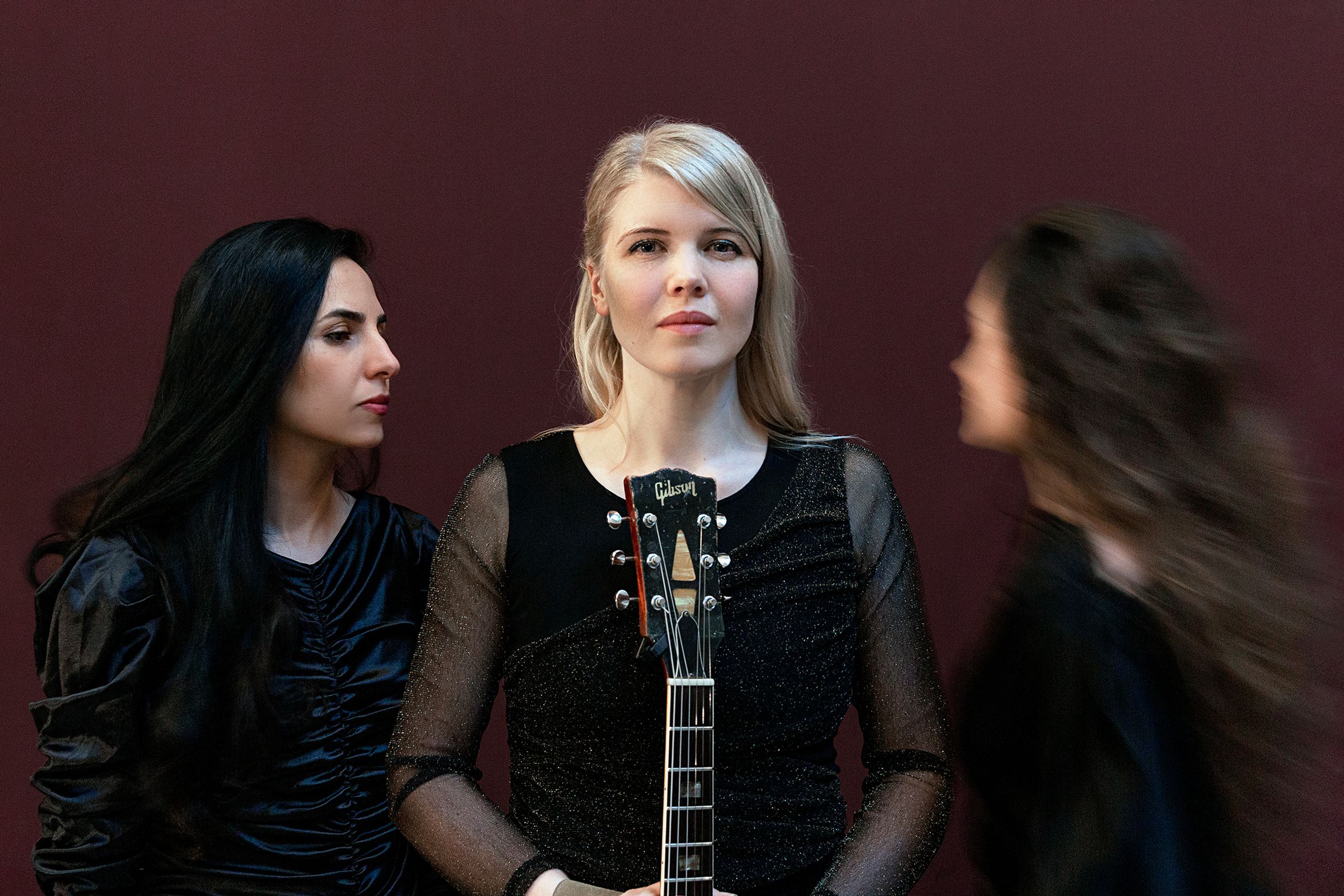
The artists Anja Lauvdal and Marianna Sangita A Røe, who feature on the album, will be joining Ghawgha on stage for the release concert.

Ghawgha (in the middle) will be joined by Marianna Sangita A Røe and Anja Laudal on the 12th of November at Victoria Nasjonal Jazzscene (Photo: Nasjonal Jazzscene)

— Ultimately, “Qaf” is a quest for finding home, identity, and humanity; perhaps the place we all belong to and are seeking the peace hidden within these sounds and experiences.

Ghawgha

"Qaf", the title of Ghawgha's new album, can be translated as a place of refuge, or an inner home where one meets one's true self. (Photo: ghawgha.com)

Here are Ghawgha’s reflections on “Qaf” and the background for the album:  

— The album “Qaf” is not just a musical work for me; it reflects years of search, observation, and experience. A journey that took me from my hometown to unfamiliar lands, traversing the streets where I grew up to the new borders I had to cross in search of a new identity. This album began as a personal journey but ultimately became the voice of those who share a similar experience; those who have faced loss and displacement in their quest for a home, and who continue to seek a new meaning for themselves.

— In this journey, I have often encountered the harsh realities of migration, displacement, and the endless search for a place called “home.” Each piece in “Qaf” reflects not only the moments experienced during my travels through Iran, Turkey, Greece, and Afghanistan, but also the stories of those who have lived through similar struggles and hopes. In tracks like “Sing for Me” and “Boat,” I revisit my memories; memories that have accompanied me from the streets of my hometown to the unfamiliar shores of the sea. “Sing for Me” evokes the longing for my childhood days and the feeling of being cast away from the environments that once were my home, while “Boat” portrays an eternal farewell in the heart of the night, an experience I have often heard through the voices of migrants and refugees, and has now become part of my own story.

— However, “Qaf” is not just my story. In fact, this voice goes beyond my personal experience. This album reflects lives and stories that we hear in every corner of the world; the stories of individuals who view the world through a similar lens and share the feeling of loss with me. Each piece, from “Kabul Beauty” to “Here,” is a collective voice; a voice I want to be heard, a voice for those like me, seeking a place they can call home.

— Ultimately, “Qaf” is a quest for finding home, identity, and humanity; perhaps the place we all belong to and are seeking the peace hidden within these sounds and experiences.


For more information about Ghawgha and her work, visit her website:

https://ghawgha.com

© Safemuse Organisation - Oslo/Norway

Categories
Event

21 September, “Dancing Into Fire” – Audiovisual performance @National Opera, Oslo

21st of September, "Dancing into Fire” - audiovisual performance by Oddrun Lilja, Zhanna Gladko, Kringkastingsorkestret (KORK), Fatemeh Ekshtesari, Paal Nilssen-Love og Rolf Wallin.

Fatemeh Ekhtesari, Oddrun Lilja and Zhanna Gladko. Photo: Aliona Paz

Music, poetry and visual art combine in a performance about freedom, hope and exile, told from a female perspective. Dancing into Fire is a sweeping, large-scale audiovisual performance where the right to liberty and self-expression and the sacrifices it may involve, are urgent topics. At the heart of Dancing into Fire lies the experience of three female artists from very different political backgrounds: Islamic theocracy, patriarchal dictatorship and idealistic social democracy.

A jail sentence hangs over Iranian poet Fatemeh Ekhtesari. Visual artist Zhanna Gladko left Belarus after finding it impossible to work as a female artist in a deeply patriarchal environment where culture is heavily censored. Zhanna lives in Norway supported by the organisation Safemuse, an organisation working for artists that have been threatened, persecuted or censored, Fatemeh is a City of Refugee artist in Lillehammer through ICORN. Guitarist /composer Oddrun Lilja grew up in the comparatively safe social reality of Iceland and Norway, but travelling the world with her music has opened her eyes to the limitations on self-expression that her peers experience elsewhere. She has created the music together with composer Rolf Wallin.

Performed by Kringkastingsorkestret and soloists, Dancing into Fire is a tribute to all artists who are persecuted for their work.

Saturday, 21 September, at 17:00–18:00 – Den Norske Opera & Ballett
https://www.ultima.no/en/dancing-into-fire

© Safemuse Organisation - Oslo/Norway

Categories
Event News

14 September, Concert by Pouya Pour-Amin at the Ultima festival @Trekanten, Oslo

14th of September, Concert by Pouya Pour-Amin for Ultima Oslo Contemporary Music Festival at Trekanten in Oslo

Safemuse organisation Norway

Pouya at Ultimafestivalen / Photo: Nabeeh Samaan

A special club night for the head as well as the feet. In a commission from Ultima and the Trekanten club venue, Norway’s Fakethias (aka Mathias Humlen) will play with visuals by Felix Scheele. Following a Spellemann prize nomination for his 2023 album Core Echo, Fakethias has become increasingly interested in combining digital noise with live instruments, and enhancing the specific qualities of the space where he is performing, such as the modernistic concrete architecture of the Trekanten-building.

The night also includes a set by Iranian musician Pouya Pour-Amin, making his Norwegian debut. Pour-Amin is a composer, multi-instrumentalist and actor from Tehran, Iran. His harrowing album of abrasive electronic meditations, Prison Episodes, from 2019, explored the experiences of a political prisoner from incarceration to breaking point. The influence of drama and storytelling is evident in his solo album, “Prison Episodes,” where his passion for narrative comes to life. He has been residing in Hvitsten since June 2024 as part of the Safemuse Artist residency.

Saturday, 14 September, at 23:00–01:00 Trekanten
https://www.ultima.no/en/acute

© Safemuse Organisation - Oslo/Norway

Categories
News Safe Residencies

OPEN CALL – Oslo and Hvitsten Art Haven 2025!

OPEN CALL - Oslo and Hvitsten Art Haven 2025!

June 14, 2024

Artistic freedom of expression, solidarity and collaboration

In 2022 Safemuse invited for the first round of safe residency placements in the Norwegian capital, Oslo, in cooperation with Nordic Black Theatre. Two six month residencies open for artists from all over the world and from all artistic disciplines; censored, threatened or persecuted due to their artistic activity. This program continues this year, and two new residence artists are about to arrive in Oslo.

The Oslo Art Haven program is funded by the City of Oslo, and when initiating this program run by Safemuse, the Vice Mayor for Culture in Oslo, Omar Samy Gamas, said:
– We are doing this to support independent voices, and because diversity in the arts is what keeps it vibrant and alive. And we are doing it because freedom of expression is under pressure in many parts of the world.

This year we are now opening a new addition to our work for artistic freedom of expression, giving more endangered artists the opportunity to work in freedom, develop their art and build networks with motivated colleagues: Hvitsten Art Haven. This program, opening up for one additional six month residency pr. year, and is funded by the EU’s EEA program plus local and regional authorities. Hvitsten Art Haven is carried out in collaboration with “Hvitsten Salong”, an art festival institution some 50 km south of Oslo.

– We have been working hard to set up a well-functioning residency program that caters to the individual needs and aspirations of the artists who are selected to partake in the program. The response from organisations, institutions and individuals has been overwhelmingly positive and many have expressed an interest to collaborate with- or contribute to the initiative in various ways, says Jon Lundell, Safemuse’s residence coordinator.

OPEN CALL 2025
Now we open up for new applications. Deadline 14th of July 2024.

Please check out the details HERE

Xuan Trang Nguyen Thi: From Freedom Of Acceptance Towards The End Of War

What does it really mean for a war to end?
Vietnamese filmmaker Xuan Trang Nguyen Thi reflects on memory, identity, post-war trauma, and artistic freedom.
During her residency at Hvitsten Art Haven, she is developing Land of Evanescence – her first feature-length documentary, tracing how trauma and history are transmitted across generations, and how war continues to shape lives long after the fighting ends. Moving between cinema, installation, and personal memory, Trang considers acceptance not as resignation, but as a critical and creative practice through which new forms of freedom can emerge.

mean for a war to end?
Vietnamese filmmaker Xuan Trang Nguyen Thi reflects on memory, identity, post-war trauma, and artistic freedom.
During her residency at Hvitsten Art Haven, she is developing Land of Evanescence – her first feature-length documentary, tracing how trauma and history are transmitted across generations, and how war continues to

What does it really mean for a war to end?
Vietnamese filmmaker Xuan Trang Nguyen Thi reflects on memory, identity, post-war trauma, and artistic freedom.
During her residency at Hvitsten Art Haven, she is developing Land of Evanescence – her first feature-length documentary, tracing how trauma and history are transmitted across generations, and how...

© Safemuse Organisation - Oslo/Norway

Categories
News

Safemuse has been evaluated: VISA PROCESSING THE GREATEST CHALLENGE

Safemuse has been evaluated:

VISA PROCESSING THE GREATEST CHALLENGE

September 27, 2023

Report cover photo: Ghawgha Taban, guest artist in the City of Harstad (Photo: Knut Utler)

The evaluation praises the way Safemuse work with censored, threatened and persecuted artists from all over the world, but we are criticized for not marketing ourselves as an organisation. We are therefore using this opportunity to draw attention to what we are doing by publishing this evaluation.

Safemuse has run its business for 10 years this year, and an external evaluation of the organisation’s operations has now been carried out. Here are some keywords:

– The biggest challenge for Safemuse is Norwegian Immigration’s (UDI’s) processing of visa applications for guest artists from countries outside Europe, where UDI sees a risk that the return requirement will not be met. This practice violates Norway’s obligations under the UNESCO Convention on Cultural Diversity (2005), and the secretariat is forced to spend a disproportionate amount of time on follow-up and political work to change this practice.

A few more findings:
– deliver very good results, and they more than deliver on their main goal of creating safe work opportunities for persecuted artists
– the guest artists benefit greatly from the residency
– the guest artists are integrated into Safemuse’s wide network in a way that makes it possible for the artists to find fruitful collaborations and income opportunities long after the residency is over
– in a special class, also internationally

Nicolai López, Carlos David Catun Quintano «Gato», Piero Issa: “Stories of (not) coming home” (Photo: Frode Henriksen/riddu.no)

From the Summary of the report

Safemuse celebrated its 10th anniversary of creating important safe havens for persecuted artists in May 2023 (…) Safemuse consistently delivers very good results, and that they more than deliver on their main goal of creating safe work opportunities for persecuted artists.

The routines for announcements, process for selecting guest artists and preparation of the artists’ stay before arrival work very well and are experienced by the guest artists as transparent. The secretariat is not only described as efficient and competent, but also deeply personally committed. With their own experience as artists, they bring a unique understanding of the guest artists into the dialogue and create trust among both the guest artists and the collaboration partners. In addition, Safemuse actively uses its broad networks within the art and cultural scene to provide the artists with arenas and contacts that stimulate the artistic development of the guest artists. The close follow-up before, during and after the residencies, together with the activation of relevant networks, is highlighted as Safemuse’s most important success criteria and places the organization in a class of its own, also internationally.

Safemuse delivers very well on its strategic goals (…) The biggest challenge for Safemuse is UDI’s processing of visa applications for guest artists from countries outside Europe where UDI sees a risk that the return requirement will not be met. This practice violates Norway’s obligations under the UNESCO Convention on Cultural Diversity (2005), and the secretariat is forced to spend a disproportionate amount of time on follow-up and political work to change this practice.

Abazar Hamid and Knut Reiersrud at the Safemuse 5-year concert. (Photo: Knut Utler)

Another clear challenge is the future follow-up of an ever-growing number of guest artists after their stay. The commitment and flexibility shown by the secretariat, which makes the residencies so valuable, draws more resources than the secretariat actually has. It will be a real dilemma to create routines to bring the deliveries more in line with the actual commitments Safemuse has taken on, without at the same time losing their strongest advantage; the personal commitment.

Safemuse is very relevant to Norwegian cultural and human rights policy and has a good reputation among its donors. Through good and systematic network building, Safemuse has managed to bring together art and human rights environments (…) Safemuse thus has a great potential for recruiting new members and can advantageously take measures to increase its visibility in relevant environments, including political ones.

“The Sea Monster”, Saitip Majewska, 2023. Saitip was a residence artist at Hvitsten Art Haven in 2023 – from an Art Walk during the Hvitsten Salong art festival. (Photo: Cronje Strøm)

The evaluation has been carried out by Scanteam in collaboration with Conow, and financed by the Norwegian Ministry of Foreign Affairs.

Read the full report here (in Norwegian)
HERE

Xuan Trang Nguyen Thi: From Freedom Of Acceptance Towards The End Of War

What does it really mean for a war to end?
Vietnamese filmmaker Xuan Trang Nguyen Thi reflects on memory, identity, post-war trauma, and artistic freedom.
During her residency at Hvitsten Art Haven, she is developing Land of Evanescence – her first feature-length documentary, tracing how trauma and history are transmitted across generations, and how war continues to shape lives long after the fighting ends. Moving between cinema, installation, and personal memory, Trang considers acceptance not as resignation, but as a critical and creative practice through which new forms of freedom can emerge.

mean for a war to end?
Vietnamese filmmaker Xuan Trang Nguyen Thi reflects on memory, identity, post-war trauma, and artistic freedom.
During her residency at Hvitsten Art Haven, she is developing Land of Evanescence – her first feature-length documentary, tracing how trauma and history are transmitted across generations, and how war continues to

What does it really mean for a war to end?
Vietnamese filmmaker Xuan Trang Nguyen Thi reflects on memory, identity, post-war trauma, and artistic freedom.
During her residency at Hvitsten Art Haven, she is developing Land of Evanescence – her first feature-length documentary, tracing how trauma and history are transmitted across generations, and how...

© Safemuse Organisation - Oslo/Norway

Categories
News Safe Residencies

OPEN CALL – Oslo and Hvitsten Art Haven 2024!

OPEN CALL - Oslo and Hvitsten Art Haven 2024!

June 1, 2023

Artwork by Zhanna Gladko

Artistic freedom of expression, solidarity and collaboration

In 2022 Safemuse invited for the first round of safe residency placements in the Norwegian capital, Oslo, in cooperation with Nordic Black Theatre. Two six month residencies open for artists from all over the world and from all artistic disciplines; censored, threatened or persecuted due to their artistic activity. This program continues this year, and two new residence artists are about to arrive in Oslo.

The Oslo Art Haven program is funded by the City of Oslo, and when initiating this program run by Safemuse, the Vice Mayor for Culture in Oslo, Omar Samy Gamas, said:
– We are doing this to support independent voices, and because diversity in the arts is what keeps it vibrant and alive. And we are doing it because freedom of expression is under pressure in many parts of the world.

This year we are now opening a new addition to our work for artistic freedom of expression, giving more endangered artists the opportunity to work in freedom, develop their art and build networks with motivated colleagues: Hvitsten Art Haven. This program, opening up for one additional six month residency pr. year, and is funded by the EU’s EEA program plus local and regional authorities. Hvitsten Art Haven is carried out in collaboration with “Hvitsten Salong”, an art festival institution some 50 km south of Oslo.

– We have been working hard to set up a well-functioning residency program that caters to the individual needs and aspirations of the artists who are selected to partake in the program. The response from organisations, institutions and individuals has been overwhelmingly positive and many have expressed an interest to collaborate with- or contribute to the initiative in various ways, says Jon Lundell, Safemuse’s residence coordinator.

OPEN CALL 2024
Now we open up for new applications. Deadline July 1st.

Please check out the details HERE

Xuan Trang Nguyen Thi: From Freedom Of Acceptance Towards The End Of War

What does it really mean for a war to end?
Vietnamese filmmaker Xuan Trang Nguyen Thi reflects on memory, identity, post-war trauma, and artistic freedom.
During her residency at Hvitsten Art Haven, she is developing Land of Evanescence – her first feature-length documentary, tracing how trauma and history are transmitted across generations, and how war continues to shape lives long after the fighting ends. Moving between cinema, installation, and personal memory, Trang considers acceptance not as resignation, but as a critical and creative practice through which new forms of freedom can emerge.

mean for a war to end?
Vietnamese filmmaker Xuan Trang Nguyen Thi reflects on memory, identity, post-war trauma, and artistic freedom.
During her residency at Hvitsten Art Haven, she is developing Land of Evanescence – her first feature-length documentary, tracing how trauma and history are transmitted across generations, and how war continues to

What does it really mean for a war to end?
Vietnamese filmmaker Xuan Trang Nguyen Thi reflects on memory, identity, post-war trauma, and artistic freedom.
During her residency at Hvitsten Art Haven, she is developing Land of Evanescence – her first feature-length documentary, tracing how trauma and history are transmitted across generations, and how...

© Safemuse Organisation - Oslo/Norway