Xuan Trang Nguyen Thi: From Freedom Of Acceptance Towards The End Of War

September 3, 2026

Written by Aliona Pazdniakova

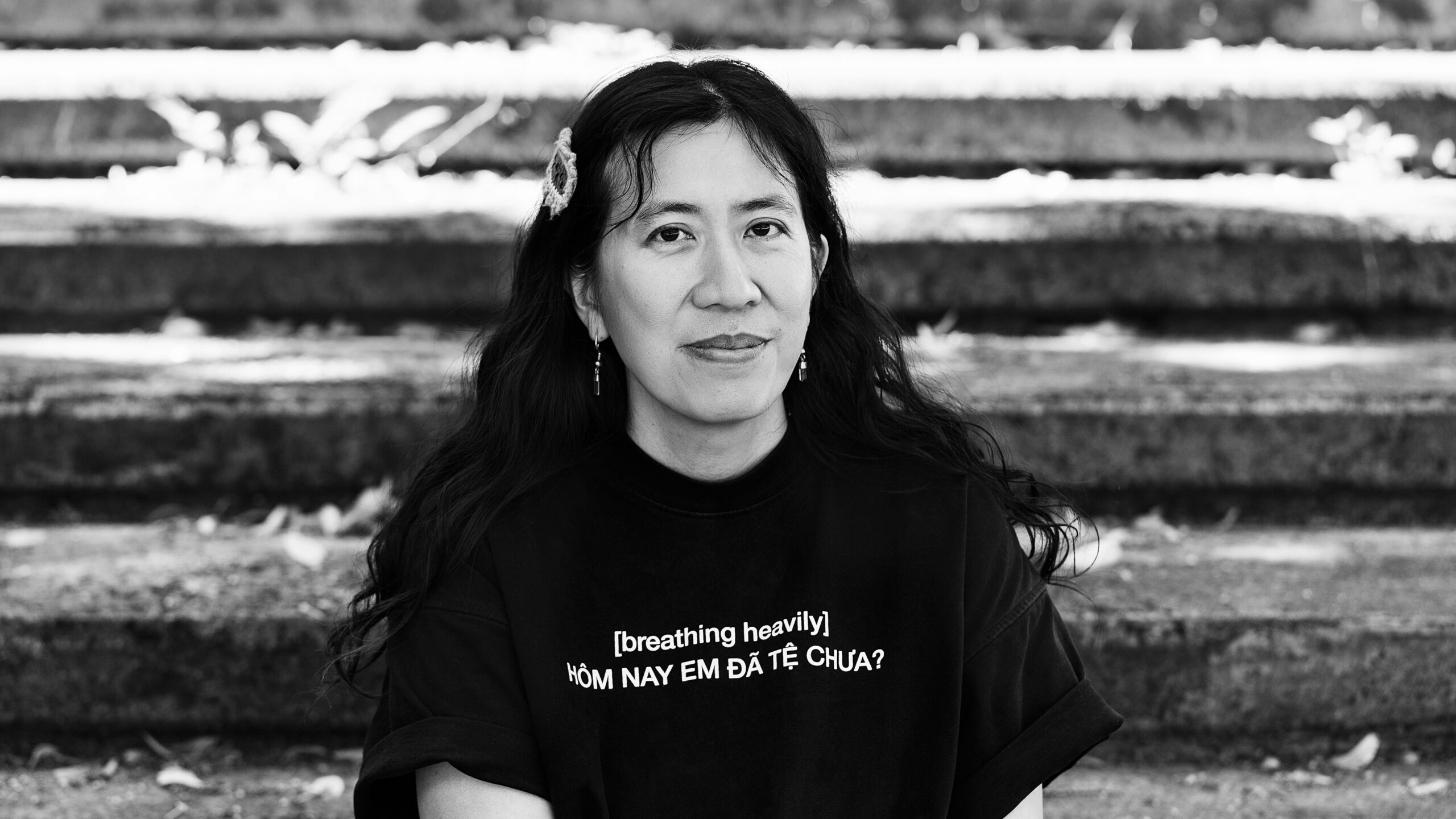
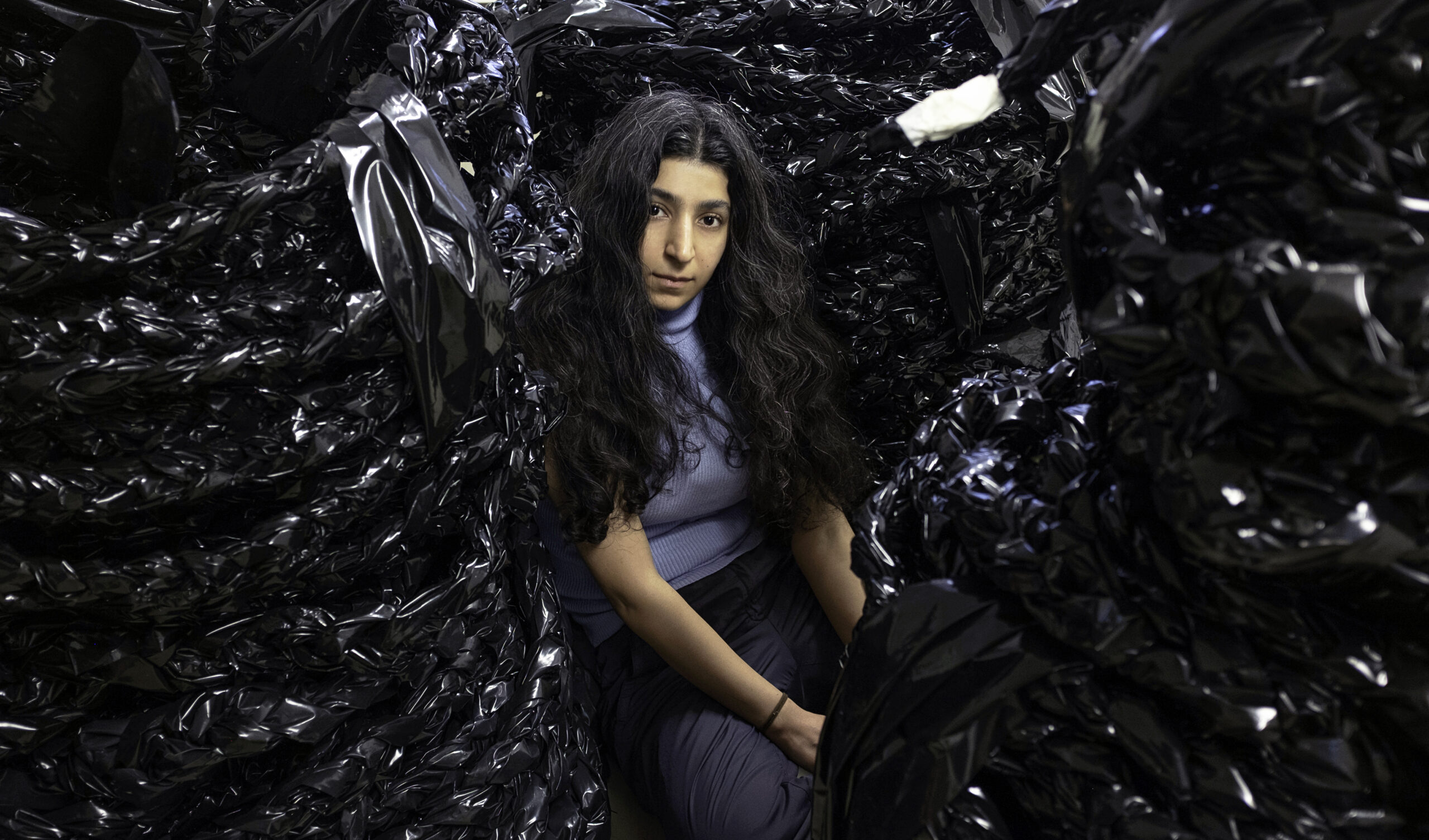
Xuan Trang Nguyen Thi, Photo: Aliona Pazdniakova

For me, everything in this life ultimately traces back to the concept of acceptance – and artistic freedom is no different.

As an artist, within my creative spaces and through the works I create, what I desire most for myself and my peers is the freedom to be accepted, just as we commit to accepting each other’s art. Above all, I want people to accept one another, and to embrace artistic expression with the same grace and effort we bring to accepting the diverse, distinct essences of human beings.

— Xuan Trang Nguyen Thi

Xuan Trang Nguyen Thi is a filmmaker and a producer from Vietnam. She has nearly 20 years of experience in international cinema. Known for her commitment to independent storytelling and Southeast Asian collaborations, she has produced award-winning films including the 2024 Cannes contender Viet and Nam and the 2025 Locarno Golden Leopard winner Hair, Paper, Water…. In 2022, she made her directorial debut with the short film After Taste.

Trang arrived at Hvitsten Art Haven in April 2026. During her residency, she has been developing her first feature-length documentary, Land of Evanescence, a deeply personal exploration of identity, memory, and the experience of growing up within a changing society and a demanding national education system. The project was presented at Cannes Docs – Work in Progress in 2026 and has also been screened in Oslo and Hvitsten, where Norwegian film professionals were invited to engage with the work and contribute feedback to its final development.

Background

Trang’s career spans nearly two decades of dedication to the moving image. After graduating from university in 2007, she began working across television, advertising, promotional content, and short films. Her trajectory shifted towards independent cinema in 2014, when she participated in the Kyoto Filmmaker Lab at the Kyoto Museum in Japan. Since then, she has focused on producing independent shorts, documentaries, and feature films, eventually founding her own production company, Lagi Limited.

Her practice has developed through an international filmmaking community that she has actively cultivated through festivals, laboratories, workshops, and industry platforms. She is an alumna of the Bucheon Fantastic Film School in South Korea and has participated in numerous international co-productions. In 2021, she attended the Open Doors Lab at the Locarno Film Festival, where she received the first prize of the FAI Producer Grant.

At the centre of Trang’s artistic practice is a persistent investigation of identity, homeland, humanity, and history.

– I am deeply compelled by the interplay between the past and the present, constantly revisiting and turning these themes over from different angles through the diverse and evolving language of cinema. To express these complexities, I explore the integration of varied artistic forms – such as blending cinema, theater, and traditional performance arts like water puppetry – while frequently utilizing archival film sequences and non-traditional narrative structures within documentary frameworks, Trang explains.

Beginning with the “After”

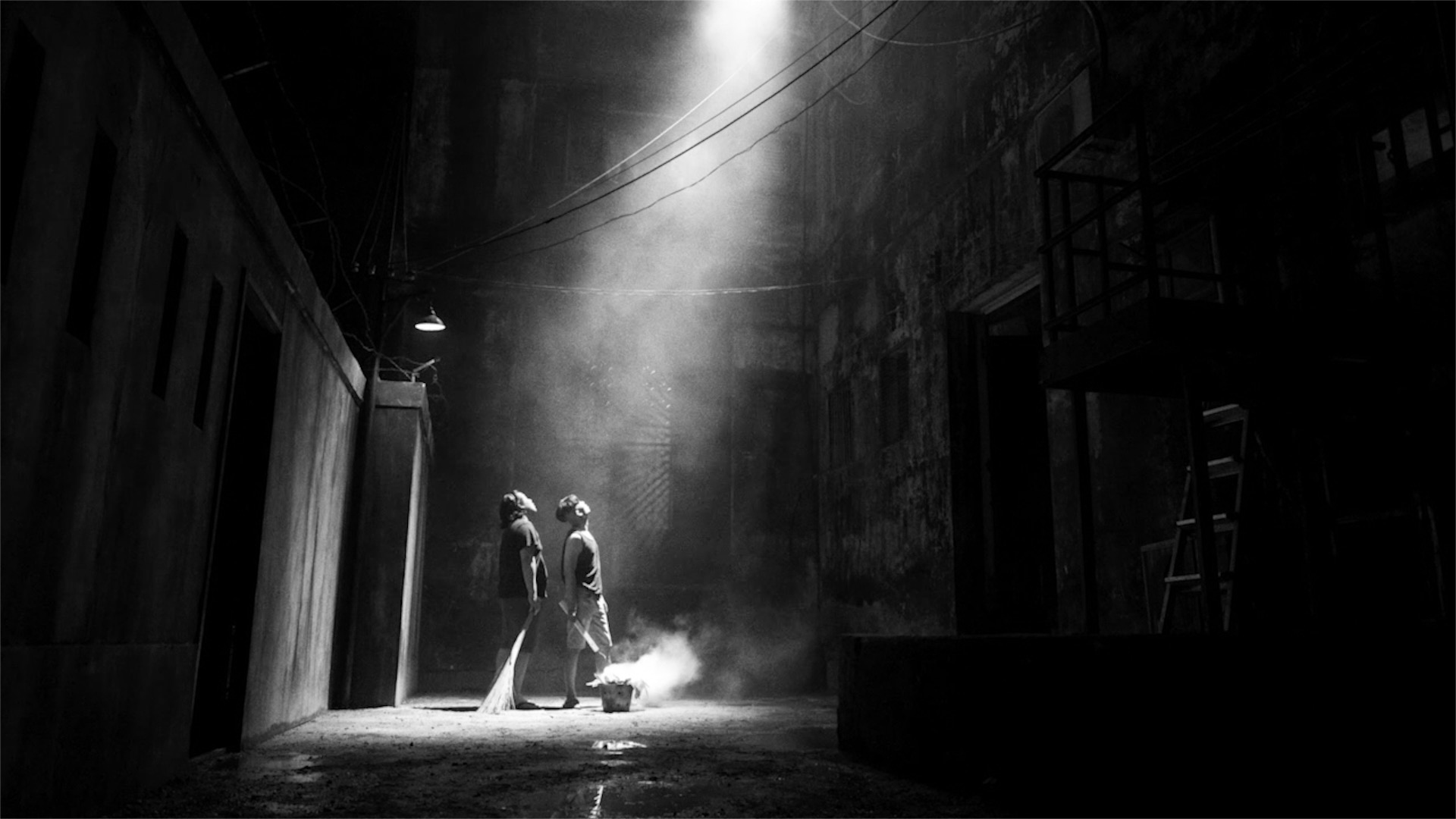
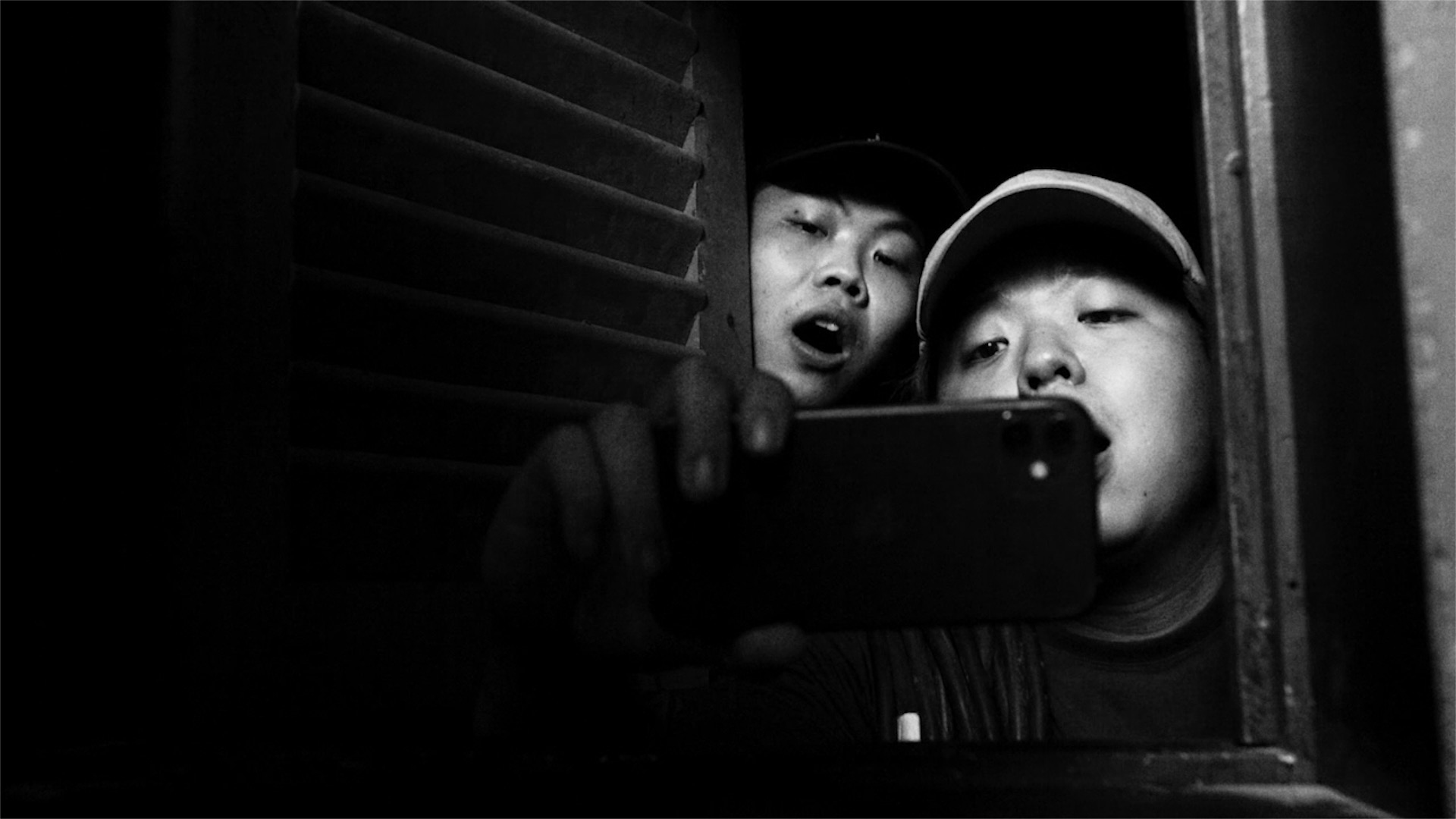
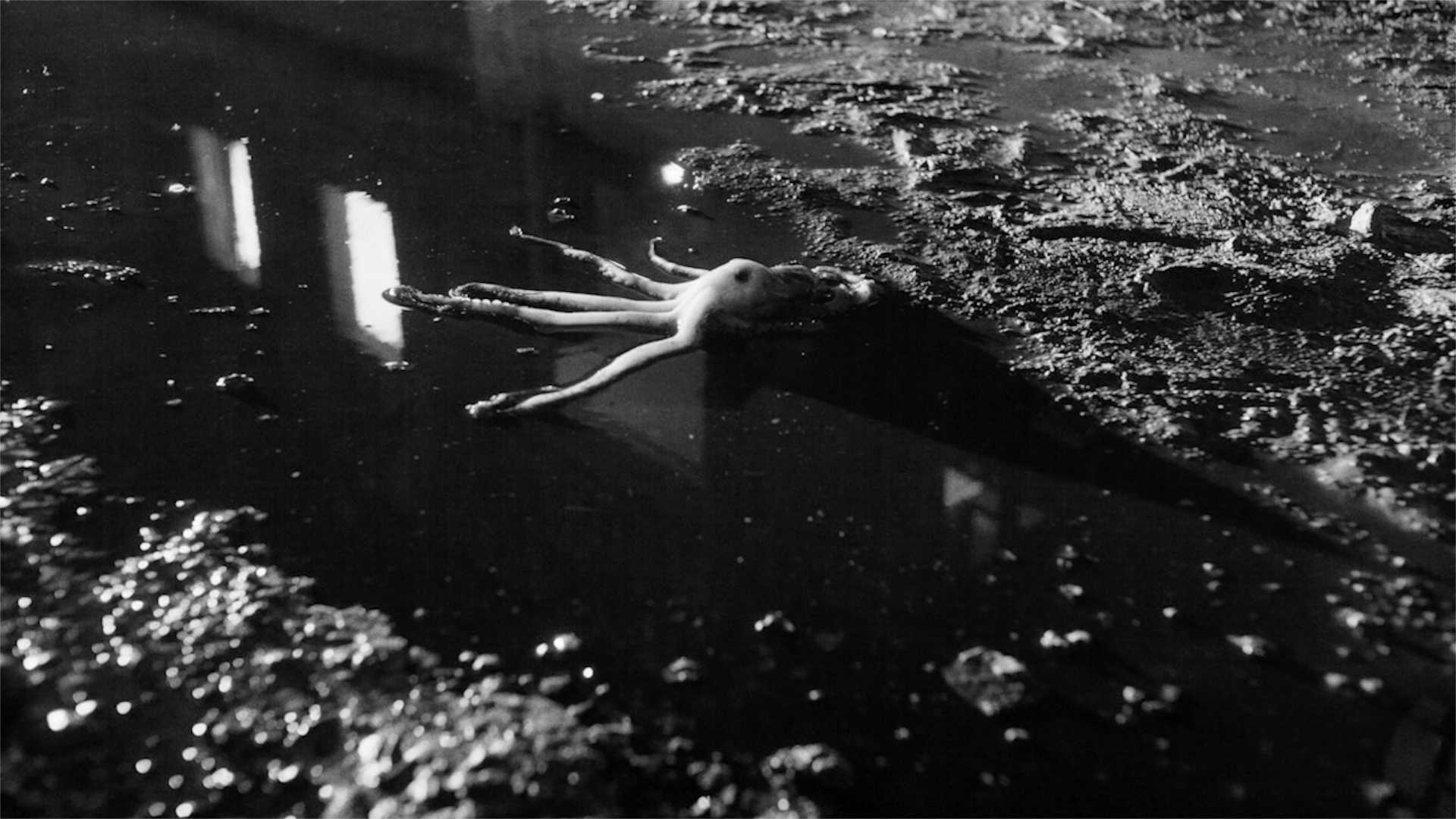
Although Trang’s foundation is rooted in production, her artistic path underwent a significant transformation when she stepped into directing. Her short film After Taste marked this transition, exploring memory, violence, and sensory storytelling through an unsettling mixture of black humour and cinematic self-reflection. The film has celebrated its World Premiere at the 2022 Fantasia Film Festival before screening at the Viet Film Fest and the Bangkok ASEAN Film Festival.

Stills from “After Taste” by Xuan Trang Nguyen Thi, 2022, 20 min. World Premiere at Fantasia Film Festival 2022, Official Selection at Viet Film Festival 2022, Official Selection at BAFF 2023, Momo distribution grant 2023.

After years spent working behind the scenes as a producer, Trang uses her directorial debut to turn the camera back upon the language and ethics of cinema itself. In a post self-ironic manner, After Taste reflects on the manipulative power of art and the ways in which artistic production can become entangled with the pain of others. Resembling a nightmare, the film moves beyond straightforward judgment and cynical distance, using black humour as a passage towards emotional honesty. At the same time, its absurdity exposes the contradictions of film production and the strange compromises made in the name of art.

It is difficult, however, not to extend this critique beyond the cinematic world. The film resonates with a contemporary reality in which, confronted with horrific accidents, people may instinctively take out their phones and start filming rather than intervene and help. After Taste thus becomes not only a reflection on filmmaking, but on our increasingly mediated relationship to reality itself.

Work in Progress

This pivotal experience confirmed Trang´s desire to direct, leading her to her current focus: her first feature documentary, Land of Evanescence.

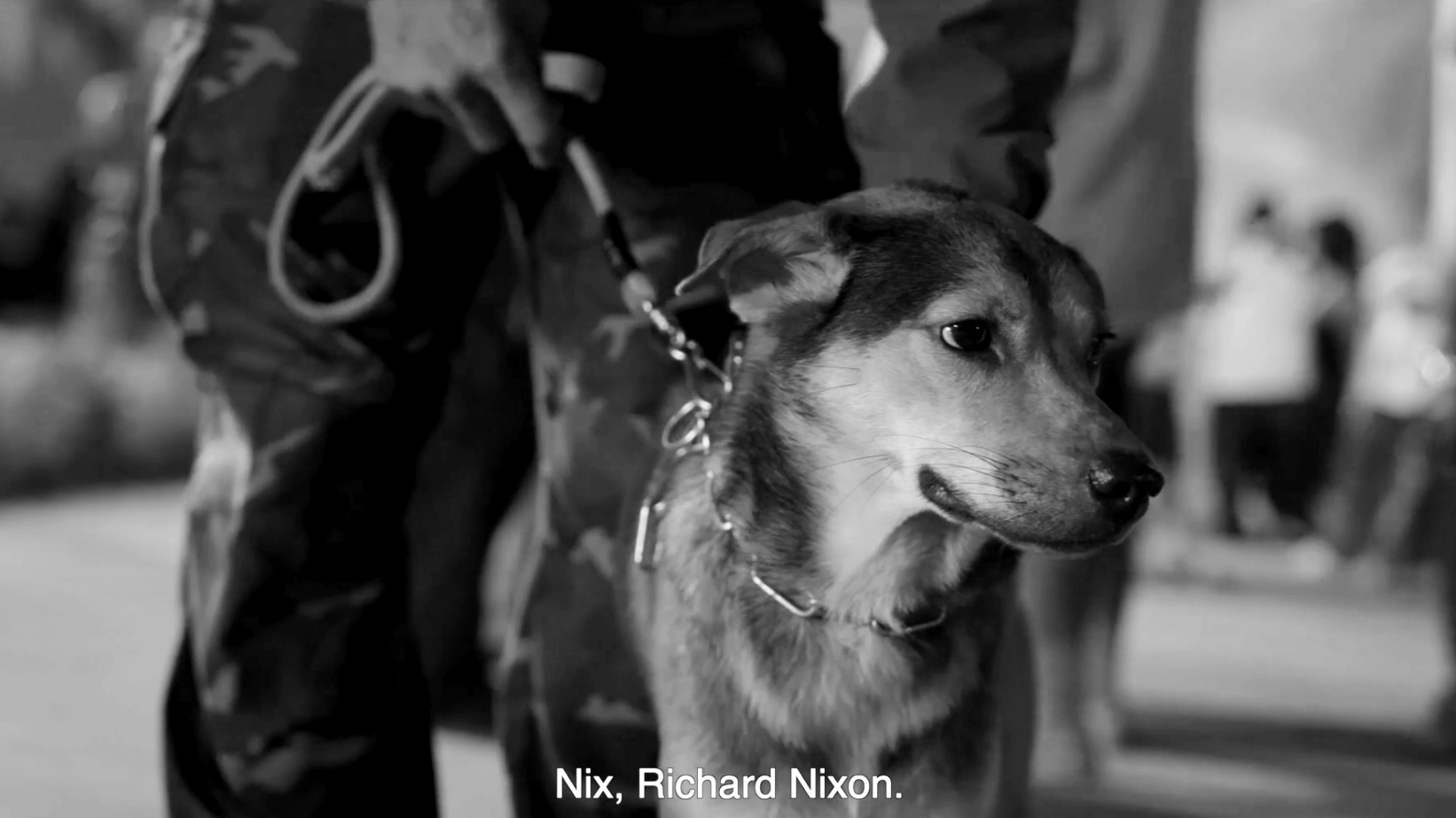
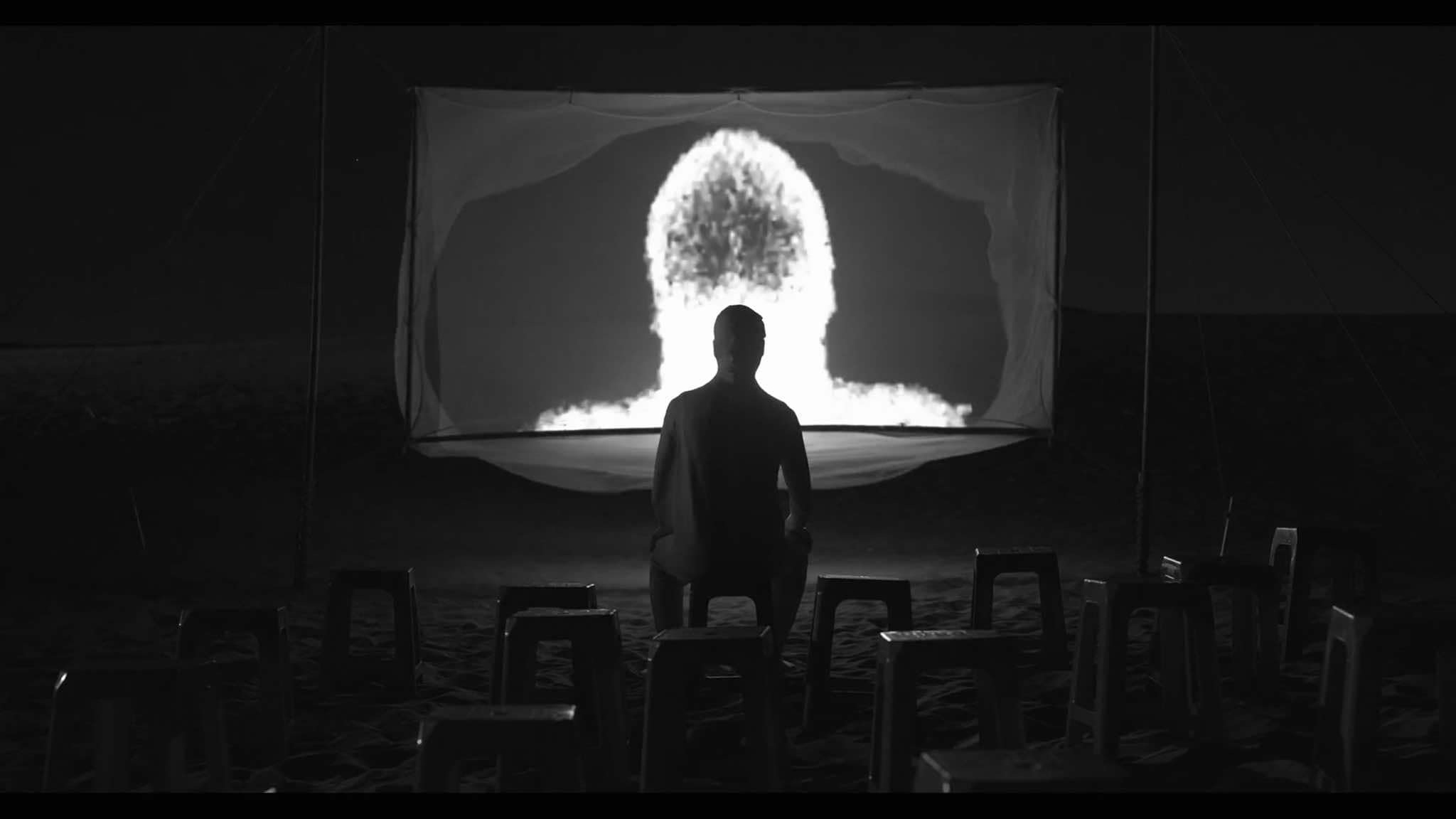
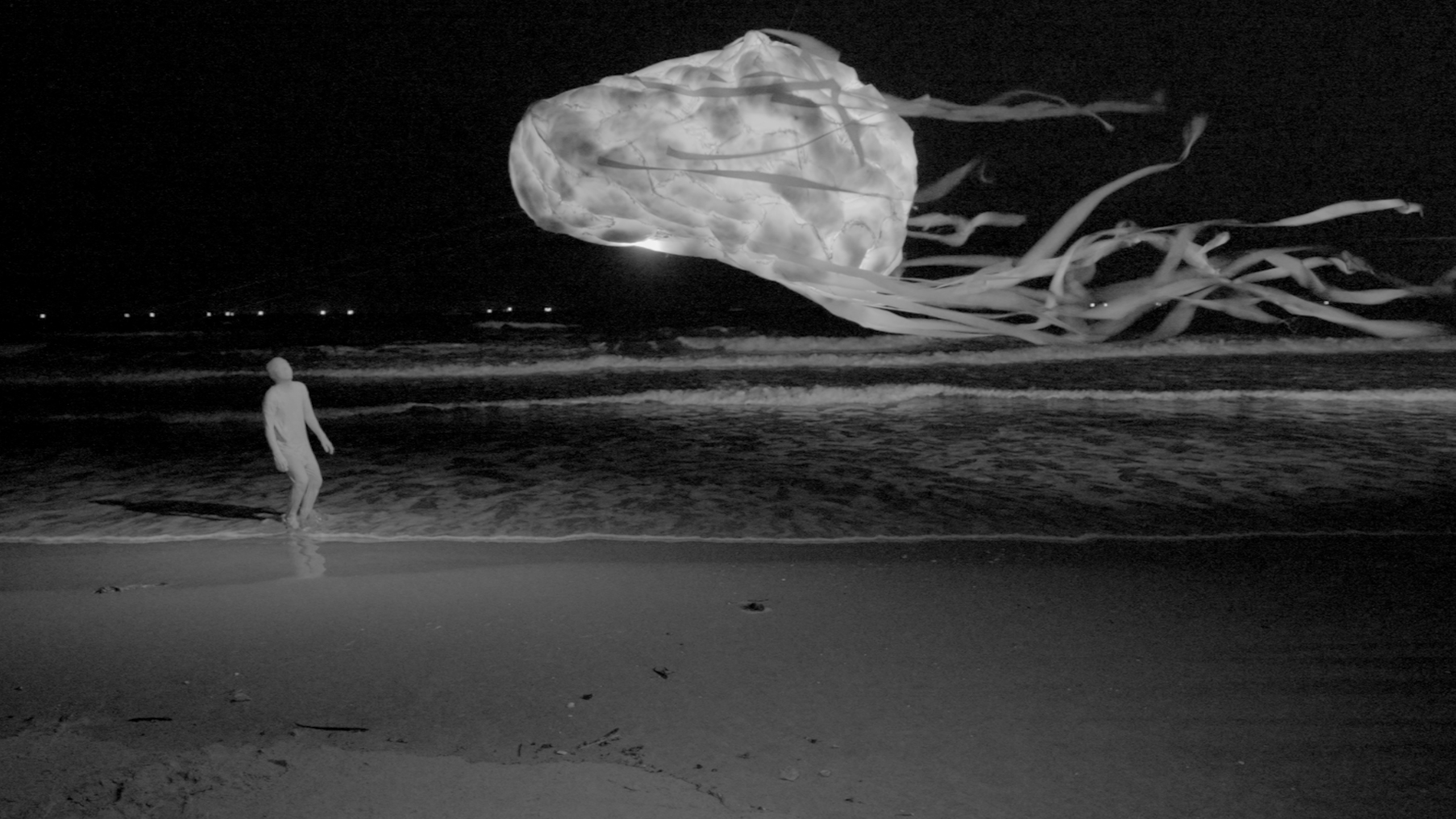
Stills from “Land of Evanescence” by Xuan Trang Nguyen Thi, Feature Documentary, Work in Progress, 2026, 70 min. The rough cut of this project was presented at the Cannes Docs – Work in Progress showcase in May 2026, got the IDFA Bertha fund 2026.

Land of Evanescence asks what remains of war long after the news cameras have left. Set fifty years after the end of the Vietnam War, the film explores whether trauma can travel across generations, and what happens when memory is inherited rather than lived.

– I am the post-war generation. I grew up far from the battlefield. But since I was a child, I’ve had recurring dreams of war, of being chased, of hiding, of not knowing where I am.

A few years ago, I read about an American veteran who, during a night of terror, killed his wife. In court, he said he was still stuck in Vietnam. No one believed him. But I did.


Because even though I’ve never seen war, I feel like I remember something, Trang says.

The story is rooted in Vietnam and told from a Vietnamese perspective, but its questions extend far beyond the country’s borders. Against the backdrop of contemporary conflicts in Ukraine, Gaza, and the Middle East, the film considers what it really means for a war to end. Political treaties and ceasefires may mark the end of fighting, but they do not necessarily end the psychological and emotional consequences of violence.

New generations inherit memories, fears, and unresolved histories. In Land of Evanescence, the spectator moves through a dreamlike landscape of childhood, a classroom where war is reduced to numbers, and a video game in which history is reconstructed by others.

– These spaces collide because this is how war exists for us: disjointed, mediated, and unresolved. The battlefield is already silent, but from then on, the echoes begin, Trang explains.

The film is currently in post-production and is seeking final financing and resources to complete its remaining stages.

Between Cannes and Hvitsten

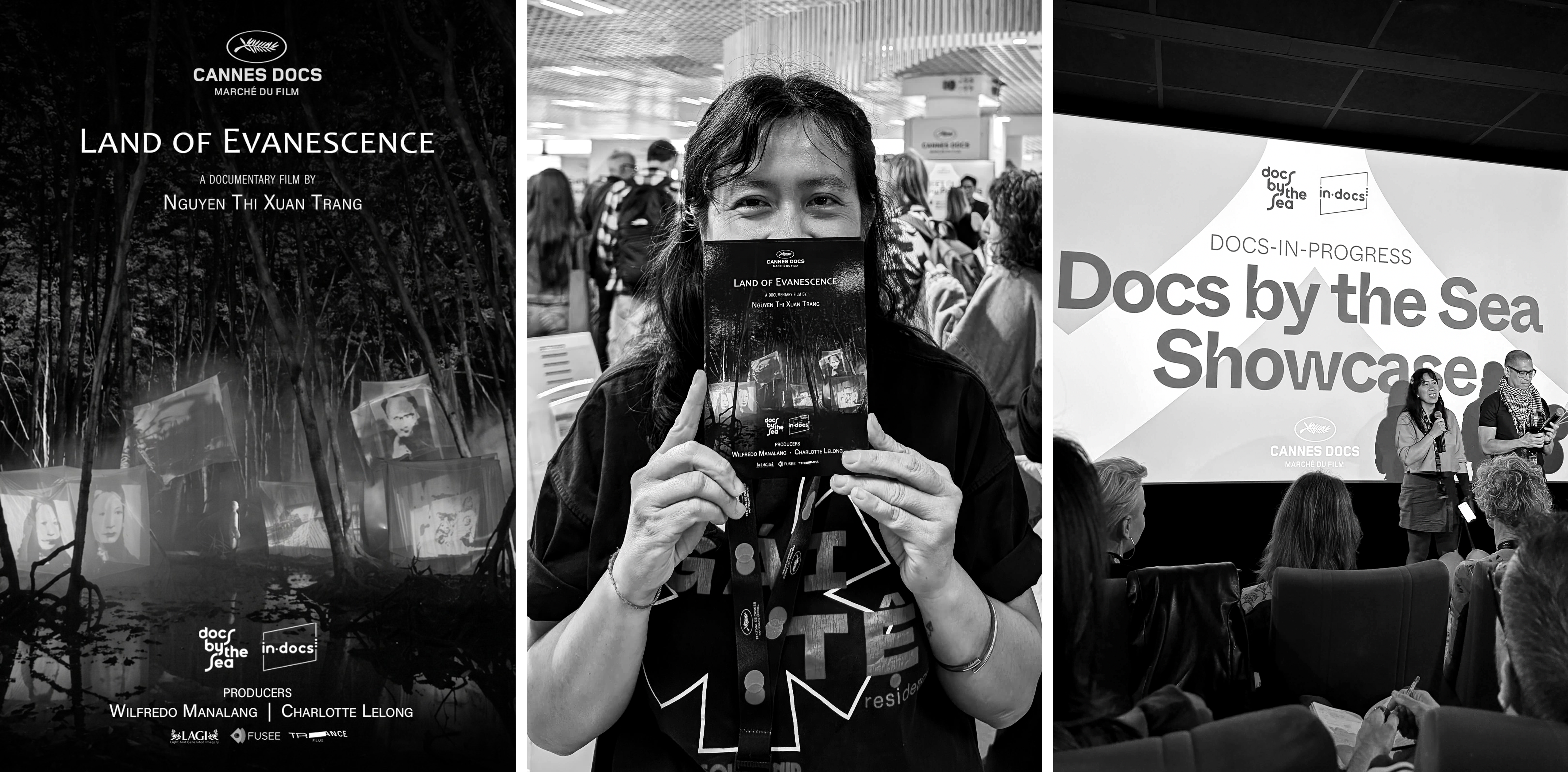
In May 2026, Trang traveled to France to present the rough cut of this project at the Cannes Docs – Work in Progress, one of the largest and most influential project markets in the world. It is a massive hub designed for filmmakers to scout talent, connect with sales agents, meet the right distributors, and carefully lay the groundwork for a film’s future.

– It was my very first time witnessing a film market so vibrant, intense, and deeply authentic. For me, it was an incredible, high-stakes opportunity to have everyone gather in one room to watch the very first footage of my film. Observing their live reactions gave me a firsthand understanding of how the visual language of the film resonates – whether the imagery truly captivates and connects with an audience or not, Trang recalls.

Yet the intensity of Cannes also made her aware of the distortions that can accompany recognition.

– However, an environment like Cannes can easily cause a sensory overload. The sheer intensity of it can make you feel ‘high,’ almost like a three-to-four-day drug rush, which can temporarily skew the objective evaluation of your own work, Trang shares.

“Land of Evanescence” by Xuan Trang Nguyen Thi, Cannes Docs, May 2026.

She explains how this intoxicating atmosphere can easily make an artist lose their sense of direction, becoming absorbed in the excitement and recognition of the moment while losing sight of the longer journey ahead. In the process, the fundamental elements that should guide the work can be overshadowed by the seductive pressures and distractions of the film world.

She smiles as she explains that this is precisely why it feels so good to return to the solitude of the Norwegian woods – to reconnect with nature, slow down, and ultimately reconnect with oneself:

– I am profoundly grateful for how my journey unfoldes. While Cannes opened doors for what my film could become tomorrow, Safemuse stepped in to harmonize and balance my present. Returning to the peaceful house by the sea, surrounded by the raw nature of Hvitsten, Norway, everything instantly returned to a state of absolute stillness.

In this quietude, Safemuse provided the perfect sanctuary to restore equilibrium to both my work and my inner self. Here, I was finally able to calmly re-examine my work, face its actual challenges, and continue tinkering and exploring toward completing the film. It completely rebalanced my state of mind, grounding me so that I know exactly where I – and my work – stand in this long creative process.

When Trang initially applied for the Safemuse residency, this was precisely what she was searching for: a sense of balance. Feeling overwhelmed by information, expectations, and professional crossroads, she sought the distance necessary to look at her work from another perspective:

– I found myself somewhat stuck, facing the heavy pressure of trying to complete my debut feature film. Because my film raises so many questions about my homeland, I felt that leaving my country for a period of time to look back at it from an “outsider’s” perspective would be the catalyst I needed to continue writing my story. That was my primary goal when applying.

However, since arriving here, things have naturally evolved in ways I could not have entirely anticipated. Immersing myself in a completely new environment and a new way of life has opened an entirely new door for my artwork. I have encountered many people here, many of whom have guided me toward a much deeper layer of meaning within my own project. These days spent facing the artwork head-on have continuously pushed me to create and enrich the film up to this very day.

Ultimately, the residency has become a process of self-examination as much as artistic development. The distance from home has allowed Trang to look more closely at her own identity and to discover new possibilities within her artistic language.

The Limbo

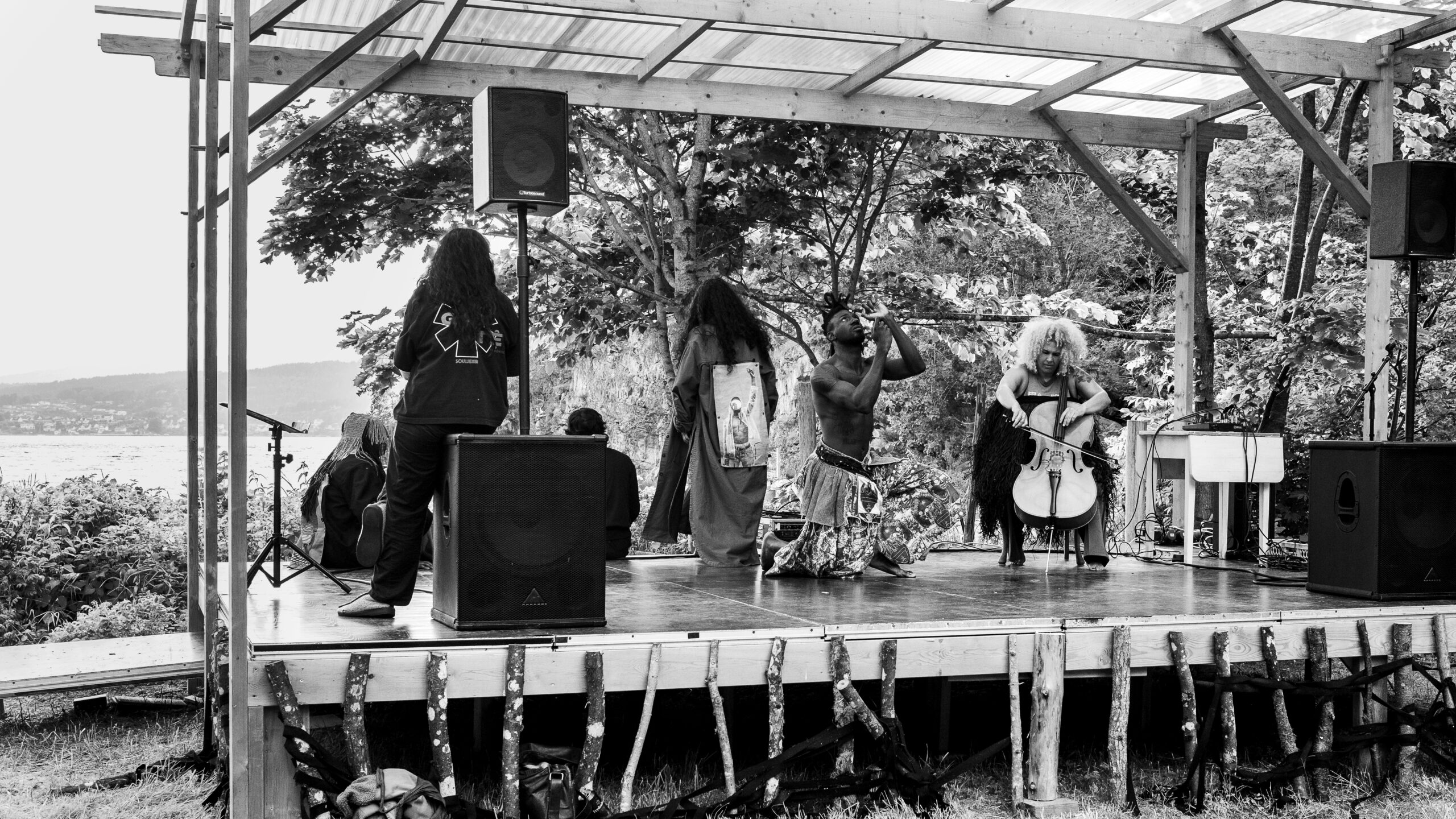
In June 2026, Trang took part in the mini-residency organised by Hvitsten Salong, Rafiki with Friends. Bringing together artists from Norway and abroad, the residency invited participants to reflect and experiment across different media around the theme of “Home”, guided by Nicole Rafiki.

Experimental performance, “Rafiki with Friends” residency, Hvitsten Salong 2026, Photo: Aliona Pazdniakova

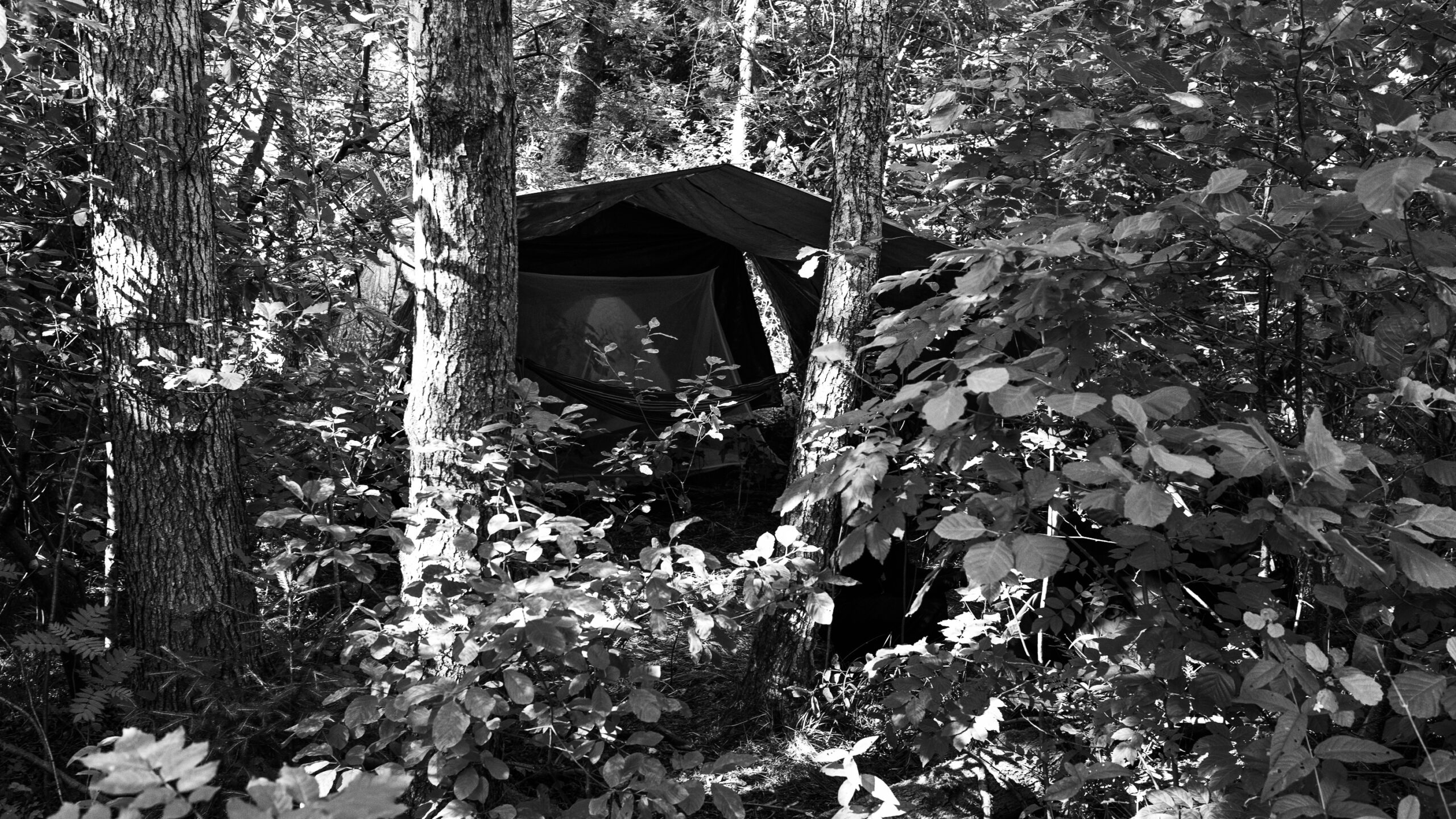
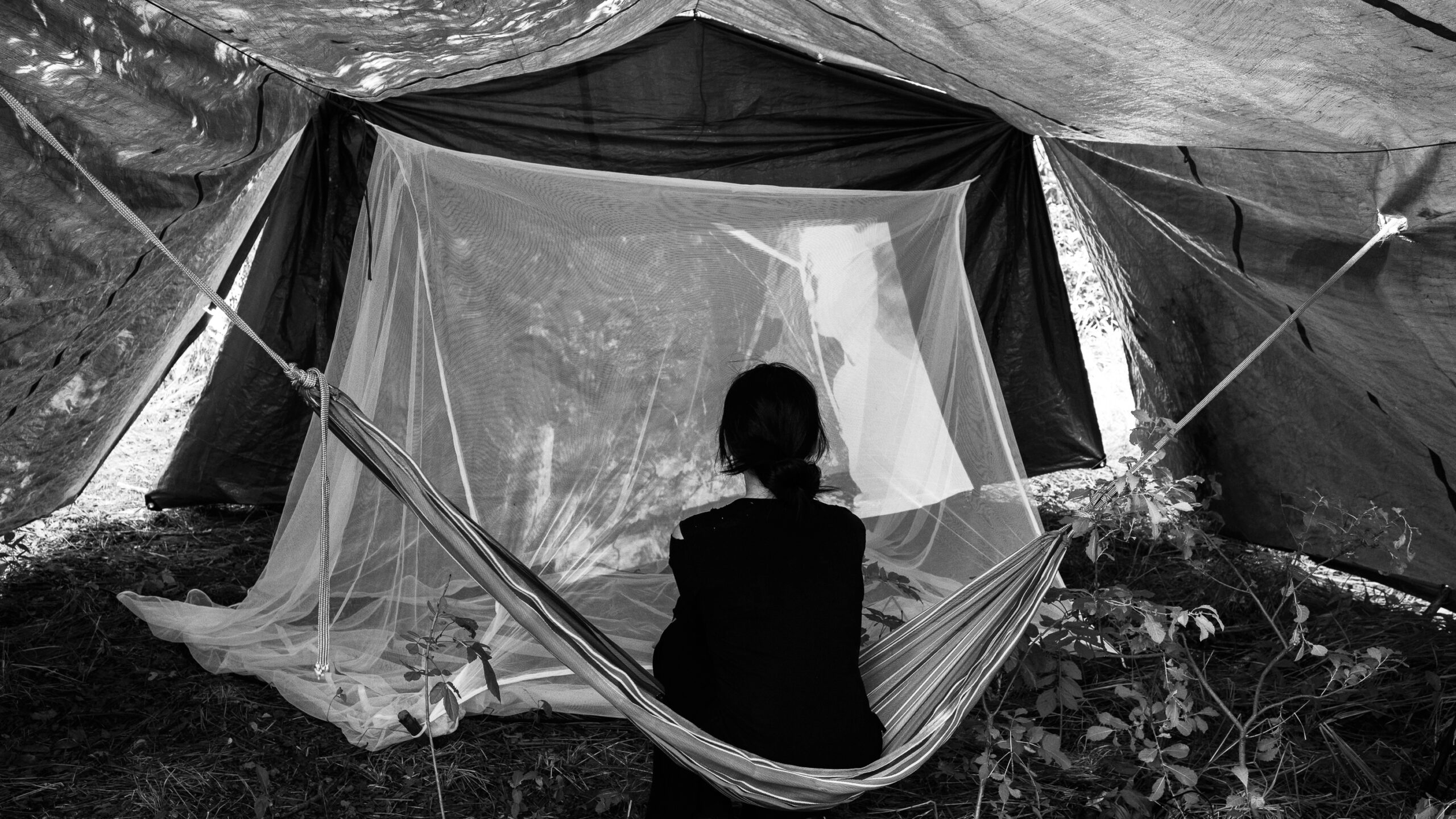
During the residency, Trang participated in an experimental performance and opened her project to new forms of presentation. This process resulted in The Limbo, a site-specific video installation presented during Hvitsten Salong 2026.

“The Limbo”, Installation by Xuan Trang Nguyen Thi, Hvitsten Salong 2026, Photos: Aliona Pazdniakova

The installation consists of video footage from Trang’s work-in-progress film Land of Evanescence. Presented inside a military tent set within the forest and equipped with a Vietnamese hammock, the installation creates a space suspended between anxiety and rest. The setting evokes the lingering effects of post-war trauma, establishing a tension between the desire to retreat and the impossibility of finding true refuge.

The intimate, enclosed environment blurs the boundary between observing and experiencing. The spectator is drawn into a psychological landscape shaped by memory, vulnerability, and unease.

– The Limbo reveals a haunting realm suspended between life and death, where survivors remain trapped in the relentless horrors of past war. Unable to return to normal life, they wander through a dazed, disorienting nightmare – though one must ask if they have ever truly fallen asleep.

This installation exposes the profound agony of severe psychological trauma, where the simple mercy of a peaceful, genuine rest remains agonizingly out of reach. In the end, it leaves us with a singular, gentle plea: please, give them a good night’s sleep, Trang states.

Acceptance as a Form of Freedom

Across Trang’s practice, acceptance emerges as both an ethical position and an artistic method. She speaks of acceptance on several levels: accepting others in their differences and contradictions; accepting the conflicts and histories that have shaped us; and accepting the limitations that cannot simply be overcome.

For Trang, the end of war is therefore not synonymous with the end of conflict. A war may cease politically while continuing to exist psychologically, culturally, and emotionally.

– The war is not over until we free ourselves from the hate towards the past enemy and what has happened. Until we are trapped by this, and our government continues to cultivate this hate, we will never exit this circle, and the conflict will remain, Trang reflects.

Acceptance, however, does not mean resignation. It can instead become a way of negotiating limitations and transforming them into creative possibilities.

– It is always a limitation: money, time, space, your own body. Furthermore, I live in Vietnam, where there are a lot of limits. If I do not accept them, I will not manage to work; I will not survive as an artist. I’m thinking that limits also have a lot of creative power – you are challenged by the limit and you have to find your way out. I think about acceptance first and then – freedom, Trang says.

This tension between limitation and freedom lies at the heart of Trang’s practice. Her films emerge from a specific cultural and political context, yet she resists allowing that context to determine how her work must speak.

In my recent film I talk about my love for my country and my family, but my films are experimental. They do not talk about war in the way our government would like to hear. The government has a lot of bias, and It is not that it is not accepting us – it is misunderstanding us, Trang explains.

For Trang, artistic freedom ultimately depends upon the possibility of accepting difference – not only difference between people, but between histories, perspectives, artistic languages, and ways of remembering.

In this sense, acceptance becomes more than the theme of Trang’s work. It becomes a way of working, seeing, and relating to the world: an attempt to acknowledge what cannot be undone, while preserving the freedom to dream and imagine what might still become possible.

True artistic freedom exists when we can transcend the boundaries of culture, language, age, gender, and history to accept one another simply as artists. I hope the world can accept us as we are: foolish and flawed, yet incredibly innocent, entirely pure in our intentions, and always willing to expose the raw, fragile vulnerabilities carried in our hearts.

                                 – Xuan Trang Nguyen Thi

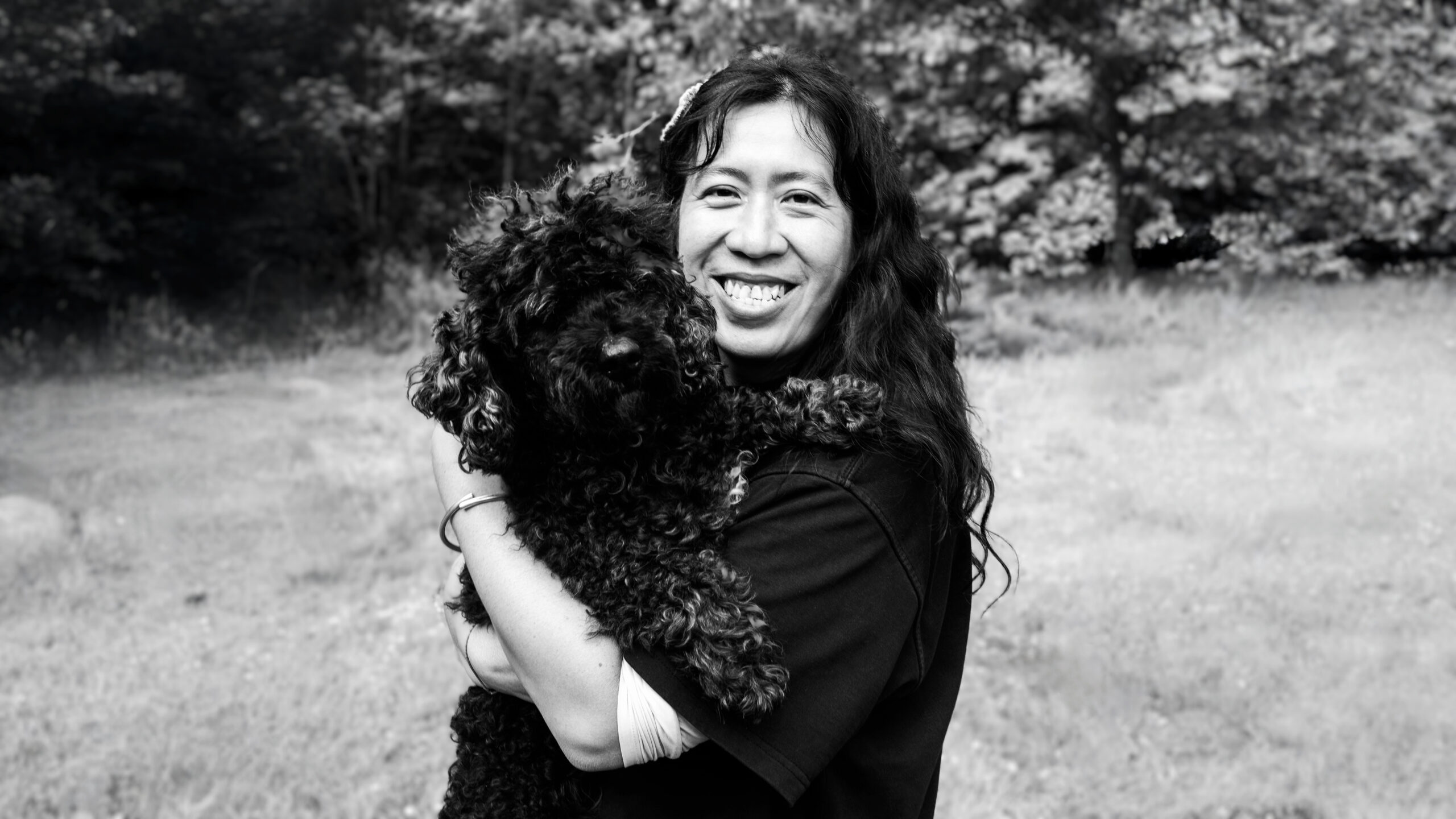
Trang and Mint, Hvitsten 2026, Photo: Aliona Pazdniakova
Xuan Trang Nguyen Thi: From Freedom Of Acceptance Towards The End Of War

What does it really mean for a war to end?
Vietnamese filmmaker Xuan Trang Nguyen Thi reflects on memory, identity, post-war trauma, and artistic freedom.
During her residency at Hvitsten Art Haven, she is developing Land of Evanescence – her first feature-length documentary, tracing how trauma and history are transmitted across generations, and how war continues to shape lives long after the fighting ends. Moving between cinema, installation, and personal memory, Trang considers acceptance not as resignation, but as a critical and creative practice through which new forms of freedom can emerge.

mean for a war to end?
Vietnamese filmmaker Xuan Trang Nguyen Thi reflects on memory, identity, post-war trauma, and artistic freedom.
During her residency at Hvitsten Art Haven, she is developing Land of Evanescence – her first feature-length documentary, tracing how trauma and history are transmitted across generations, and how war continues to

What does it really mean for a war to end?
Vietnamese filmmaker Xuan Trang Nguyen Thi reflects on memory, identity, post-war trauma, and artistic freedom.
During her residency at Hvitsten Art Haven, she is developing Land of Evanescence – her first feature-length documentary, tracing how trauma and history are transmitted across generations, and how...

© Safemuse Organisation - Oslo/Norway